


The National Running Show 2026, set to take place from January 31 to February 1 at the NEC in Birmingham, England, promises a rich tapestry of insights aimed at experienced trail and ultrarunners. With a speaker lineup that includes elite athletes and industry experts, the event serves as a pivotal gathering for those preparing for upcoming races, especially in the realm of mountain ultras and trail racing. It is anticipated to attract over 30,000 attendees, demonstrating the growing appeal of ultra-endurance events and the community surrounding them.
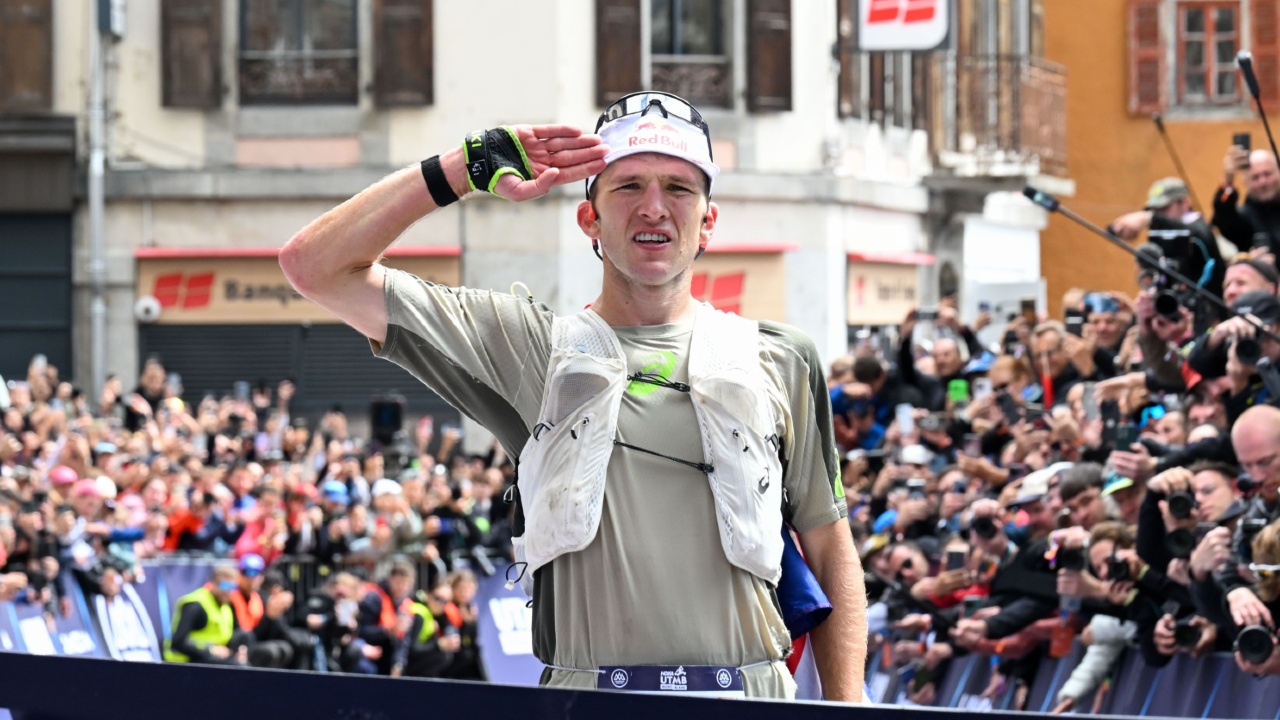
Among the distinguished speakers is Tom Evans, who recently made headlines for becoming the first British man since 2010 to win the Ultratrail du Mont-Blanc (UTMB). This prestigious race is often regarded as the “Super Bowl” of trail running, featuring a grueling course that traverses Chamonix, France, and encompasses challenging elevation profiles with roughly 10,000 meters of positive gain. Notably, the race sees high dropout rates, which reflect its demanding nature. Evans’ recent victory comes on the heels of his earlier placements, including a close third in 2022. He utilized strategic pacing and an adaptive racing mindset to conquer the 2025 event under harsh conditions that necessitated a course alteration. His insights on race strategy and pacing in adverse environments could be invaluable for runners aiming for similar performances in difficult mountain races.
Evans is not alone in providing expertise; the event will also feature insights from performance nutritionist Paul Booth and data scientist Joseph Mestrallet, both of whom were instrumental in Evans’ and teammate Ruth Croft’s successes at UTMB. Booth’s experience in fueling elite performance and Mestrallet’s data-driven pacing strategies open up a deeper understanding of precision training and race execution. Their discussions are anticipated to explore various facets of performance enhancement that can be crucial for athletes targeting specific milestones, such as UTMB qualification or achieving podium finishes in multi-day events.
For those looking to solidify their standings in the ultrarunning community, understanding the evolving qualification criteria is paramount. The ongoing emphasis on both performance metrics and race day conditions in qualifying races underscores the necessity for a tailored approach to training. Focus on specific times and placement in UTMB qualifiers is essential, and the wisdom shared at events like the National Running Show can illuminate effective strategies to meet these rigorous standards.
As landscapes rapidly evolve in the ultrarunning world, from emerging race formats to innovative gear developments, experienced runners must keep a keen eye on reliability and performance. Gear advancements—including the latest in footwear technology and hydration systems—can significantly influence not only race-day experiences but also long-term training success. Innovations that feature reduced weight without compromising durability will be highlighted, encouraging runners to consider how new options can enhance their performance in extreme conditions. The right gear can provide the critical edge needed in harsh mountain environments, where both weather and terrain present unique challenges.
Sophie Power, a prominent figure in the ultrarunning scene and part of the GB team that excelled at the recent 24-hour World Championships, is also slated to return to the National Running Show. In 2025, she set a world record for the longest distance run by a woman on a treadmill in 48 hours, demonstrating unparalleled endurance and strategy. Her insights on pacing, nutrition strategy in prolonged efforts, and recovery will likely resonate with runners preparing for both one-off ultra events and multi-day races.
Upcoming races such as The North Face Transgrancanaria will also feature as practical case studies, where runners can explore the mental and physical preparations necessary for success in ultra distances. Evans’ transition from a victor in the short Advanced event there to tackling the longer 126km Classic, for instance, illustrates the importance of course familiarity and training adjustments needed to adapt to different race profiles.
Insights gleaned from seasoned athletes during conferences such as the National Running Show can lead to a greater understanding of pacing variations based on course characteristics and environmental factors. Experienced runners will benefit from discussions centered on how to adjust pacing strategies, manage hydration and nutrition during long efforts, and formulate race plans that consider both personal limits and competitive pressures.
In a rapidly evolving terrain that poses new challenges and requires adaptive strategies, one key takeaway for runners is the need for meticulous preparation that considers all variables: terrain, conditions, fueling, and mental engagement. Each runner should develop a unique strategy, informed by expert insights, personal experiences, and the evolving landscape of ultrarunning competitions. This comprehensive tactical approach will be essential for navigating the complexities of mountain ultras, where success lies in both preparation and the ability to adapt on race day.
