


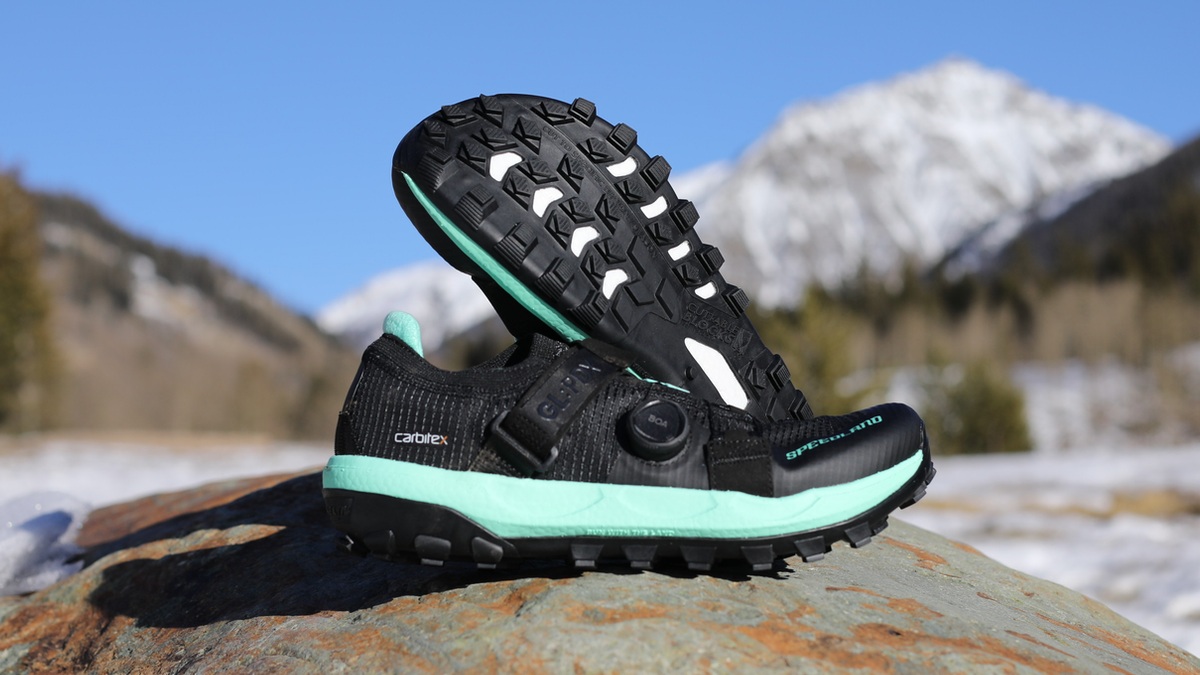
The Speedland GL:PDX trail shoe has generated significant interest among experienced trail and ultrarunners, especially those training for mountainous races across various distances. Priced at $250, this shoe features a lowered stack height and higher volume that aim to provide exceptional comfort over longer distances, an important consideration for athletes tackling challenging terrains.
With a weight of 10.6 ounces (302 grams) for a U.S. men’s 9, and a stack height measuring 35 millimeters in the heel and 28 millimeters at the toe, the GL:PDX is designed to be lower to the ground compared to many models in the Speedland lineup. This lower profile allows for increased ground feel without sacrificing necessary cushioning. This shoe includes a jacket of features such as a single BOA lacing system complemented by an additional strap, diverging from the dual BOA systems typically used in other Speedland shoes. This evolved design approach can be particularly appealing for runners requiring quick and adjustable fits during long hours on the trail.
The shoe’s outsole employs Michelin rubber, renowned for its grip on multiple surfaces, enhancing durability and traction especially in wet or muddy conditions. The substantial 6.5-millimeter lugs facilitate effective engagement with the terrain, providing confidence to the runner even on treacherous trails common in mountainous races. This aspect is crucial for ultrarunners who need reliable traction to navigate both groomed paths and variable trail conditions spanning diverse weather patterns.
The midsole consists of HTPU foam, which offers a notable rebound characteristic that can enhance the comfort during long runs, an essential feature for those logging significant miles in preparation for competitive events. Coupled with a thick insole sock liner, the shoe accommodates foot swelling that often occurs over extended distances. Such cushioning is vital for mountainous ultrarunners who will endure long climbs and descents, requiring footwear that balances comfort and support to mitigate fatigue and the accumulation of strain.
However, runners with narrow heels may find the upper challenging to secure properly, which is an important consideration for those traversing technical terrain. The somewhat broad design aims to cater to high-volume foot shapes, similar to what is offered by brands like Altra or Topo, though it may not provide the type of lockdown desired for precise foot placement during rapid, directional changes. This factor could result in diminished performance for the athlete when racing on technical courses that demand immediate responsiveness.
Notably, the innovative drainage system in the design, which allows for water to escape from the shoe, underscores an understanding of the environmental challenges faced by ultrarunners. This level of attention to detail indicates that Speedland is keenly aware of the conditions runners may confront, reinforcing the idea that their equipment should be adaptable to diverse and unpredictable climates without sacrificing performance.
The shoe’s additional customization options, such as the ability to include a carbon plate for added propulsion and protection, appeal to competitive runners seeking to optimize every aspect of their gear. This modular approach reflects modern advancements in trail running technology and acknowledges the specificity of individual runner’s needs.
Given the diverse conditions encountered in mountainous ultras, the Speedland GL:PDX emerges as a well-rounded option for training and racing. For runners preparing for events such as the UTMB or similar challenging series, understanding how this shoe interacts with both varied terrain and climactic factors can be beneficial. Its capability in providing comfort over long distances, while effectively managing traction and drainage, make it a noteworthy contender in the current trail shoe market.
In conclusion, the Speedland GL:PDX presents itself as a viable choice for experienced ultrarunners focused on technical trails, especially for those with broader feet who prefer a more cushioned experience without overly complex fit systems. As with any gear selection, it details how essential it is to understand personal fit, terrain requirements, and the unique demands of your race. Proper testing and considerations will allow runners to discern whether these innovations align with their specific competitive strategies and training philosophies, ultimately enhancing their performance in the mountains.
