


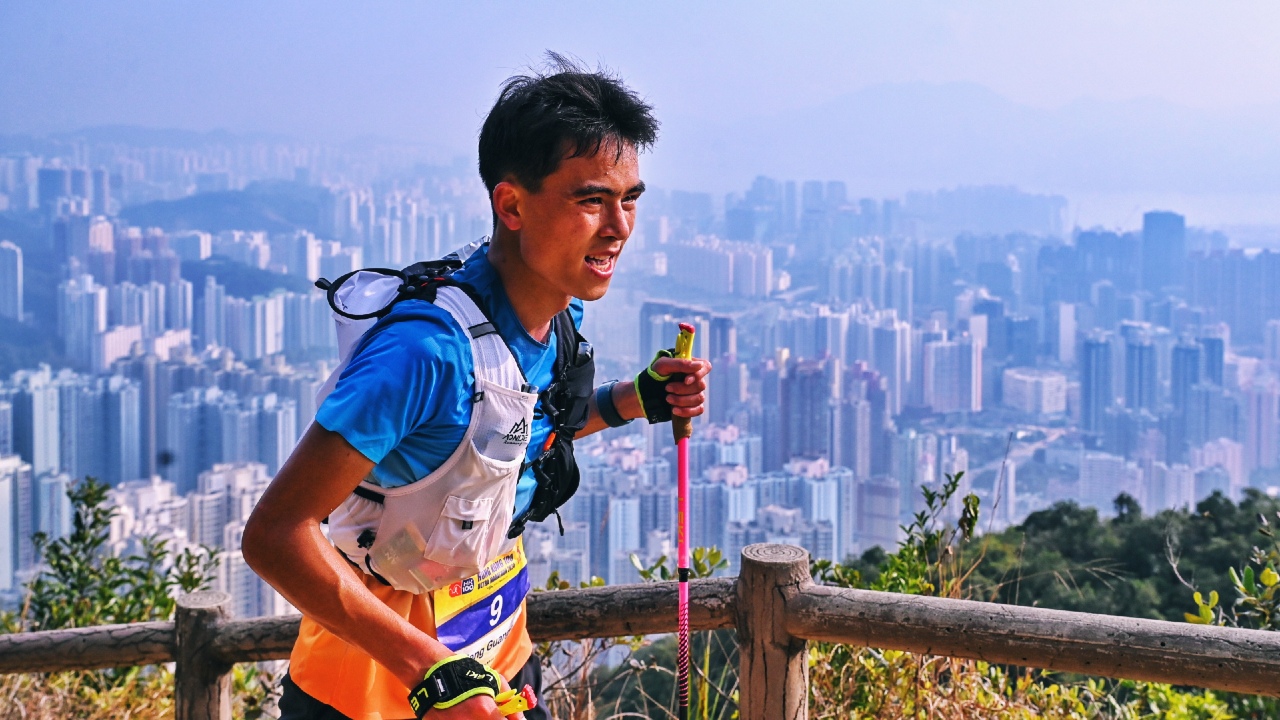
The Anta Guanjun Hong Kong 100 is once again gathering the world’s elite trail runners for its 16th edition, marking a significant milestone in the 2026 World Trail Majors season. This highly competitive race, taking place from January 22 to 25, will see over 3,000 participants from 60 countries navigate Hong Kong’s challenging terrains. Given the caliber of athletes, it’s not just a race but a critical moment for performance benchmarks and strategies that other runners may look to emulate in their training and racing endeavors.
Among the key contenders in the men’s 100km race is Meng Guangfu, the reigning champion, who returns to defend his title against formidable opponents like You Peiquan, a two-time winner. The prospect of either securing a hat-trick of titles adds an intriguing layer to the race’s strategy as both athletes know the mental and physical stakes involved. Their experience on the course will likely dictate their pacing strategies, as anyone familiar with Hong Kong’s steep ascents and technical descents can tell you, every second counts. Runners eyeing positions in their own races can glean insights from how these top athletes manage their pacing, especially in the first half of the race when the adrenaline typically leads many to start too fast.
Dakota Jones and Abel Carretero also add significant international competition, bringing diverse racing experiences that have shaped their tactical approaches in endurance events. Runners not only rely on physical readiness but also mental acuity to adjust their strategies mid-race, especially when faced with Hong Kong’s unpredictable weather conditions and technical terrain. Learning from these seasoned competitors may help refine your own pre-race rituals, warm-ups, and adaptive strategies during competitive races.
In the women’s race, Veronika Leng, having finished as runner-up last year, symbolizes the fine margins between victory and defeat. The repeated appearance of last year’s top finishers, including Hau Thi Ha and Chi Lingjie, signals a strong familiarity with the course that could be an advantage. It’s worth noting that understanding one’s own physiological responses to varying elevations and terrains is crucial for effective pacing and hydration strategies throughout the race. Experienced athletes know that calories and fluid intake should be strategically implemented at regular intervals to counteract the gut discomfort that often accompanies long-distance racing.
This year also features The Half, set to kick off the World Trail Majors Short Series, with top-tier competition, including Japan’s Rui Ueda. His presence prompts discussions about strategy, particularly around managing energy reserves versus pushing hard in the early stages to gain a tactical advantage. Runners would do well to weigh their own capacities and pacing against that of peers, along with incorporating lessons from past experiences in similar shorter ultras when planning approaches in longer races.
The Grand Sam, a grueling 174km, three-day stage race, presents another dimension for endurance athletes looking to test their limits. Defending champion Zhao Fen will encounter a field comprised of previous high finishers, which may necessitate aggressive yet calculated starts to assert early dominance. Additionally, the sheer scale of participants will likely introduce a dynamic where tactics related to overtaking and positioning come into play more frequently, necessitating strategic decisions on when to conserve energy or push the pace.
An interesting cultural development involves the participation of the Rarámuri, Maya, and Mixteca runners from Mexico, showcasing how the sport transcends geographic and cultural boundaries. Their methodologies, focused on natural rhythms and resilience fostered over generations of racing, could offer alternative perspectives on pacing, nutrition, and recovery that seasoned ultra-runners may find beneficial in their own contexts. The inclusion of athletes like Emmanuel Sedglach, equipped with a prosthetic limb, poses an additional layer of competitiveness focused on mental resilience and practical training adaptations that can yield insights for all athletes facing their unique challenges.
As you consider entering races with varying distances—whether preparing for your local event or aiming for qualification at prestigious races like UTMB—it’s essential to develop a nuanced understanding of your own pacing strategies, nutrition, and mental tactics inspired by both top-tier athletes and events like the HK100. By studying the approaches of elite competitors during such races, you might find pathways to refine your own strategies, especially concerning energy management, pacing adjustments, and overcoming mental fatigue mid-race.
In conclusion, as you prepare for your next race, remember that successful endurance racing is not merely a test of physical capabilities but fundamentally relies on a well-honed understanding of strategy in relation to the course’s demands, competitor capabilities, and the mental fortitude to adapt and thrive under pressure.
