


As seasoned endurance athletes, we know that the journey we embark on is more than just a quest for speed or a desire to conquer distance; it’s a profound exploration of human resilience. Every training run, every race, encapsulates moments where our mental fortitude is tested alongside our physical capabilities. The transformative power of endurance sports lies not only in the achievements we claim but also in the trials we face and how we emerge from them, both changed and enriched.
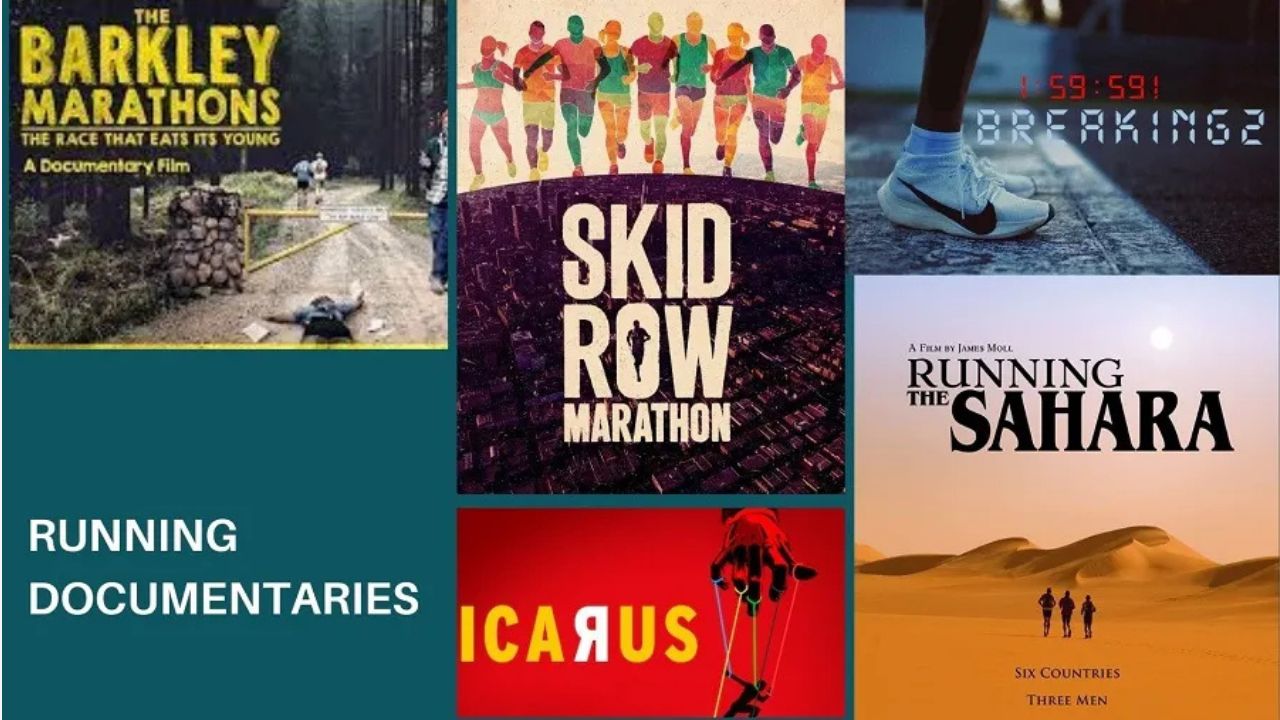
Consider the essence of endurance racing and how it draws out our most intrinsic motivations. The Barkley Marathons epitomizes this struggle against nature’s challenges. Here, we witness participants testing their limits in an ultra-marathon that has humblingly accepted only a handful of finishers. What stands out is not just the extreme difficulty of the course but the way each runner’s mind frames their endurance. Mental navigation becomes as crucial as navigating the trails. It’s a poignant reminder that physical stamina can falter, but resilience, forged through numerous past challenges, can keep us moving forward.
Similarly, in “The Infinite Race,” we dive into the cultural significance of running through the lens of the Tarahumara people. For them, running embodies a lifestyle steeped in tradition and community. This documentary highlights how their relationship with distance running stands as a testament to cultural identity and survival rather than mere competition. The sheer joy they find in fellowship, rather than comparison, teaches us to shift our focus toward the broader impact of our training—the relationships we cultivate and the communities we build. Each mile runs not just for ourselves but for those we share the love for the sport with.
Then, there’s the emotional backbone of “I Am Bolt,” which transcends mere athletic prowess. Even amidst the staggering records, it’s an intimate portrayal of Usain Bolt’s passion—a reflection that our outcomes are merely chapters in a much larger narrative. For many of us, competitive environments can become overwhelming, yet seeing the dedication and authenticity behind Bolt’s journey reminds us of the joy that brought us to running in the first place. It is essential to hold space for both the celebratory and challenging aspects of our craft.
In “Unbreakable: The Western States 100,” the film captures the essence of the mental grind that accompanies a hundred-mile race. As these athletes face heat, elevation, and self-doubt, we are reminded that endurance is as much about psychological adaptation as it is about navigating physical hurdles. The weight of their collective histories speaks to the layered preparation we, too, must embrace; the struggles we confront on race day often mirror the internal battles faced during our training cycles. It’s about pacing not just our legs but also our minds, allowing us to embrace the ebb and flow of endurance running.
Through “Skid Row Marathon,” we witness a poignant transformation through running, offering insight into how distance can bridge the gap between despair and hope. The documentary pulls back the curtain on the power of community as an anchor for personal recovery. Their journey teaches us that goals crafted in a collective environment might serve as the bedrock for individual growth. In our pursuit of personal bests, let us not forget how our shared experiences in training or racing solidify bonds of human connection, enabling each of us to rise above our circumstances.
The film, “Boston: The Documentary,” serves as a compelling exploration of the marathon’s legacy as a crucible for resilience, camaraderie, and collective memory. The narratives of both elite athletes and everyday runners offer a glimpse into the ongoing human story—one filled with trials that go far beyond the physicality of running. It beckons us to honor the spirit of the marathon and reminds us that every measured step brings us together in a shared narrative of grit and perseverance.
In “Finding Traction,” Nikki Kimball’s attempt to break records encapsulates the reality often faced by women in endurance sports—navigating not only physical trails but also societal expectations. The film reinforces a vital moment for reflection: how can we, as athletes, support one another as we push boundaries, advocate for equality, and encourage the stories that have yet to be told? Recognizing these narratives can fortify our understanding of the sport and our roles within it.
“Running the Sahara” illustrates our capacity for undertaking collective challenges framed in a greater context. It reminds us how endurance sports can act as a vehicle for change beyond the self, addressing vital global issues like water scarcity while promoting deep understanding through shared efforts across diverse cultures. This awareness vitalizes our training sessions, urging us to embody the values of empathy and service.
The mental resilience cultivated through each of these stories unearths a profound truth: the long hours on the trail or track can never be reduced to mere personal challenge. They are interconnected to the fabric of our community and environment. We don’t just train for ourselves; we train for those around us, building a shared experience that transcends individual achievement. It’s the space where our struggles become collective triumphs, and every drop of sweat serves to lift both ourselves and our peers.
As we prepare for our next long run, let us carry with us the understanding that every step, no matter how painful, is also a step toward building not only our own resilience but that of others too. The journey of endurance is intertwined; as we push ourselves forward, we pull our community along with us. Let that be the motivation we embrace in every session, ensuring that we don’t just run miles but also plant seeds of resilience that bloom in our shared experiences.
