


In the world of endurance sports, the journey is seldom linear. Athletes often traverse peaks and valleys, where personal setbacks and triumphs become intertwined in their narratives. This year, a selection of athletes demonstrated remarkable resilience, embodying the mental and physical tenacity that characterizes seasoned competitors. Their experiences serve as testament to the adaptive strategies and intrinsic motivation that define the endurance community.
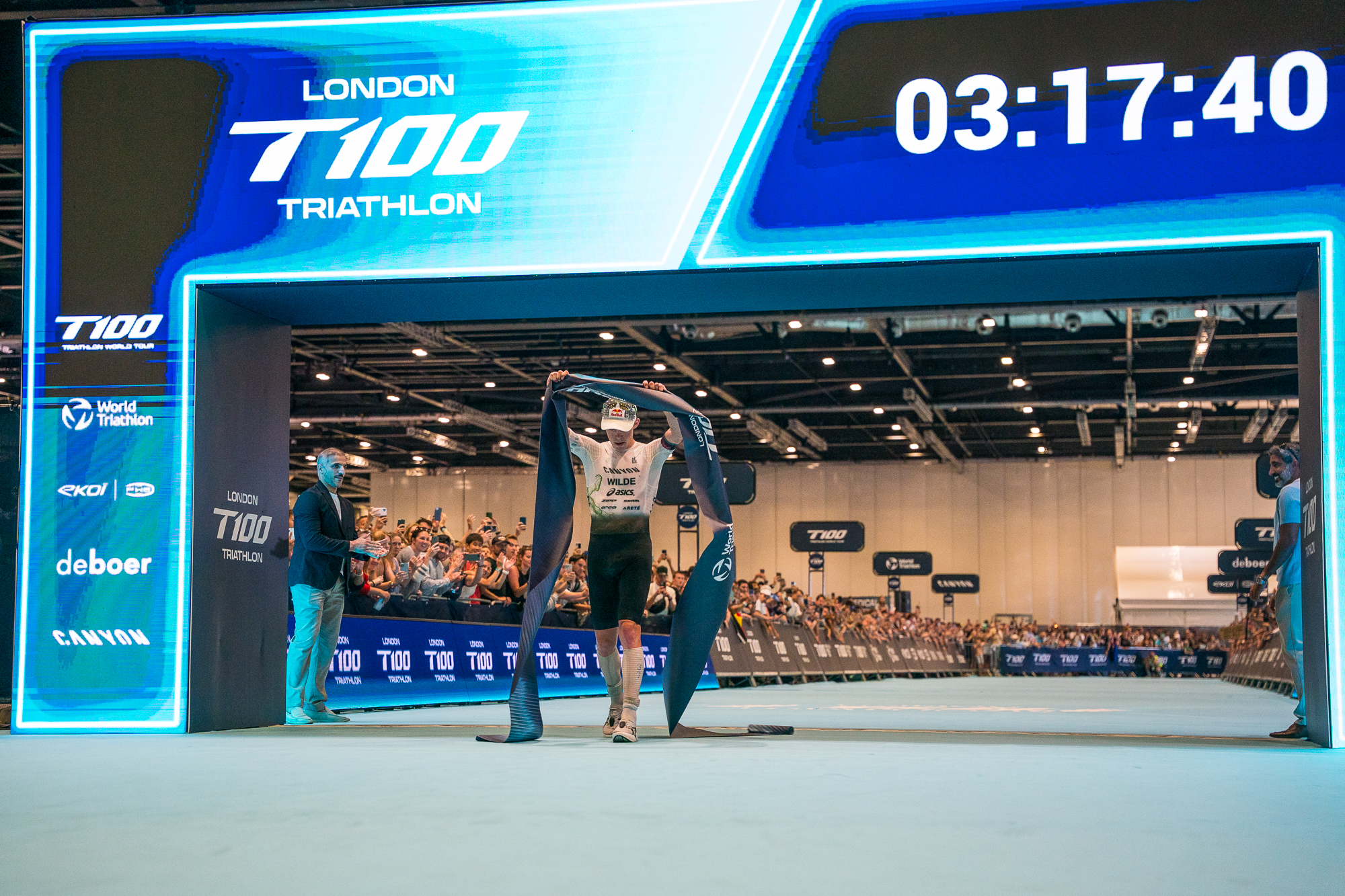
Take Hayden Wilde, for instance, whose story this season is illustrative of the endurance athlete’s experience with injury and recovery. Winning prestigious races early in the year established his prowess, yet a brutal training accident in Japan threw his campaign into disarray. The aftermath—a punctured lung, multiple broken ribs, and a scapula fracture—could easily have derailed his ambitions for the season. Yet, after surgery and a brief period of rehabilitation, Wilde showcased a core tenet of endurance training: adaptation. Within just three months, he not only resumed training but also returned to racing, securing a dominant victory in T100 London. This is a striking reminder that recovery is as crucial as training, and that athletes must cultivate an arsenal of mental strategies to navigate unexpected setbacks. Adjusting one’s expectations and pacing during recovery—just like in racing—can lead to unexpected triumphs.
Moreover, Lucy Charles-Barclay’s path underscores the dual aspects of resilience; her year began mired in disappointment after injury hindered her from defending her title. The hunger to reclaim her competitive edge pulled her through early struggles, reflecting an athlete’s intrinsic motivation. Racing through varied events, she emerged with notable victories, including the 70.3 World Championship, just weeks after a challenging race in Kona. Here, we observe not only the necessity of physical recovery but also the importance of psychological resilience. The ability to compartmentalize setbacks and harness experiences into a renewed focus is invaluable. For endurance athletes, such psychological strategies often become the bedrock of continued performance, highlighting the importance of a flexible mindset that accommodates both victories and losses.
Arthur Horseau’s return post-injury also speaks to the importance of patience and pacing in an athlete’s career. After a series of setbacks, including two disappointing DNFs, he faced the decision to prioritize his recovery over racing. This pivotal choice is often a difficult one; many athletes feel the pressure to compete despite physical setbacks. Yet his return at the IRONMAN Cozumel was a calculated risk that paid off, reminding us that strategic planning—in both racing and recovery—is fundamental to achieving goals. Adapting one’s training during periods of inactivity can set the stage for future success, allowing the body to heal while still engaging the mind through visualization and mental conditioning.
Similarly, Lucy Byram’s experience highlighted the profound impact of personal circumstances on performance. Following a tragic loss, she chose to return to racing, channeling her grief into a noteworthy performance at the T100 finale in Qatar. Her choice to compete after such a personal blow demonstrates the unique bonds formed within the endurance community. The shared experiences of loss, resilience, and triumph create a culturally rich environment where athletes often find strength in vulnerability. The act of returning not just to racing, but to performance on such a level speaks volumes about her mental fortitude and the human capacity to honor loved ones through the pursuit of personal excellence.
The cases of Sam Laidlow and other athletes similarly emphasize the importance of pacing—not merely in races but throughout an entire season and an athletic career. Laidlow’s struggle with a hamstring injury forced him to confront the significance of strategic downtime. His return at Challenge Roth, where he clocked an impressive time, demonstrates how well-timed re-entry into competition can yield powerful results. Each athlete’s path emphasizes the notion that there is no singular route to success. It’s the process of rediscovery—whether through new training methodologies, recovery techniques, or mental fortitude—that allows athletes to find their rhythm again.
At the core of these narratives lies a universal truth for endurance athletes: we often find our greatest strength in moments of vulnerability. There’s a delicate balance between pushing ourselves to conquer challenges and honoring the need to recover and adapt. The journey is as much about mental endurance as it is about physical capability. The most profound lessons often come from setbacks, illuminating paths we may not have envisioned.
As you push through your next long session, remember this: resilience is not solely about bouncing back from failure. It’s also about embracing the journey—accepting the ebbs and flows, learning from your experiences, and adjusting your approach. Just as these athletes navigated their unique challenges, reflect on how your own journey through discomfort or disappointment can lead to growth. ваш эхо g sees the value in recognizing that perseverance is not just about relentless forward motion; sometimes, it’s about the capacity to pause, recalibrate, and eventually surge forth.
