


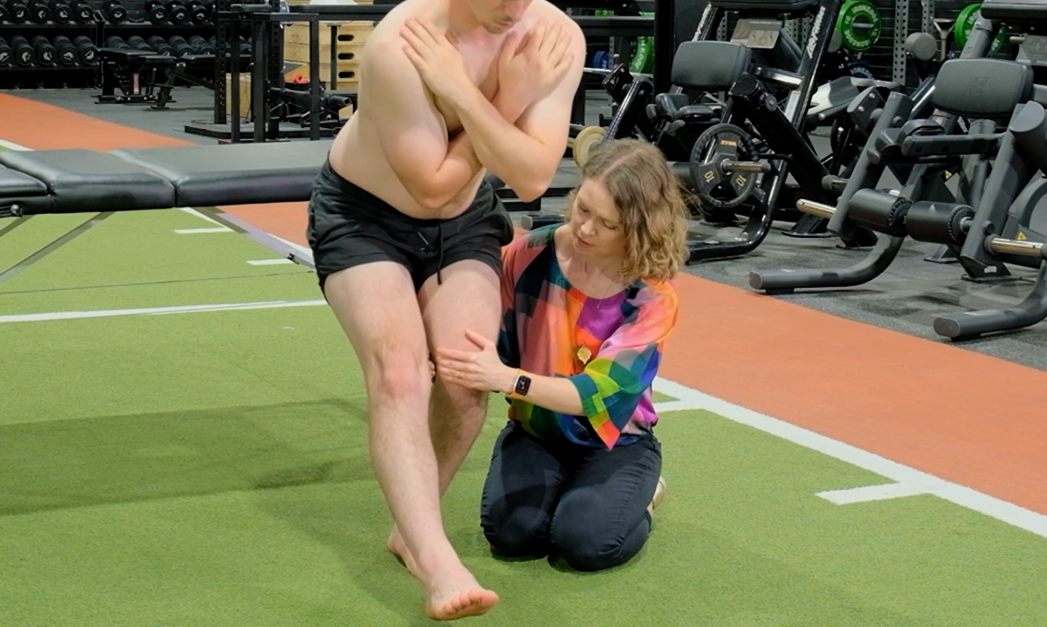
In the realm of endurance sports, patellofemoral pain (PFP) is a common yet often overlooked issue that affects many dedicated athletes. For those who train rigorously and compete over long durations, it’s vital to understand not just the mechanics of knee pain but also its implications for performance, training optimization, and recovery. With nearly one in four individuals experiencing PFP at some point in their lives, it becomes a considerable point of concern for endurance athletes who constantly challenge their limits.
The development of PFP often stems from a multifactorial background, with various symptoms and irritability levels posing challenges for accurate assessment and management. An effective approach starts with an in-depth subjective assessment that considers not only the physiological aspects of the injury but also the athlete’s narratives about symptom onset, progression, and contributing factors. For a seasoned endurance athlete, this narrative is pivotal. It can highlight how acute changes in training load—such as increased mileage or intensity—may serve as a precursor to knee discomfort. Athletes need to reflect on their training history and recognize the gradual evolution of their training loads, especially when integrating new workouts or when preparing for races in challenging conditions.
Athletes should also take into account their equipment, particularly footwear, which can greatly influence knee health. A sudden switch in shoes, or changes in running surfaces—from soft trails to hard pavements—can exacerbate knee strain. These elements are often overlooked but are crucial for a comprehensive understanding of personal risk factors. Incorporating structured sessions to evaluate footwear condition and even experimenting with different types of shoes can help mitigate the risks of developing PFP when training over long durations.
Moreover, psychological factors are significant in influencing symptoms and overall performance. Stressors related to high-intensity training or competition can impact gut tolerance and fueling strategies, leading to suboptimal nutritional choices and recovery patterns. An athlete experiencing significant anxiety or pressure around performance often finds it challenging to maintain proper fueling during long training sessions or races. Therefore, honing in on effective mental strategies can be just as important as physical preparation. This includes not only proper nutrition during training but also taking the time to gauge gut tolerance to different types of fuels and hydration strategies under various conditions.
Nutrition timing plays a crucial role in the management of PFP and overall performance. Experienced athletes know that it’s not only about what they consume but when they consume it. Implementing strategic fueling windows around training sessions can support both metabolic efficiency and the body’s response to training loads. Athletes should be meticulous in timing their nutrition to maximize performance and recovery. This includes pre-training meals that ensure adequate glycogen stores while considering easy digestibility to minimize gastrointestinal discomfort. Post-training, the timing of protein and carbohydrate intake can be tailored to enhance muscle repair, which is particularly important when addressing weaknesses that might arise from altered mechanics due to knee pain.
Hydration strategies also bear relevance to performance and the potential exacerbation of PFP. Dehydration can lead to impaired muscle function and thus alter an athlete’s biomechanics, making them more susceptible to knee pain. Establishing a hydration protocol that accommodates both environmental conditions and training demands will be beneficial. Recognizing the importance of electrolyte balance, especially during long races or in high-heat situations, cannot be understated. This can help in sustaining endurance while also safeguarding knee health.
In relation to recovery, an insightful approach can prevent the chronicity of conditions like PFP. Understanding the various modalities available—from active recovery sessions to targeted strength training focusing on hip and core stability—is essential. These recovery sessions serve not only to alleviate soreness but also to reinforce the structures around the knee, hence supporting its function during dynamic movements. Incorporating modalities such as foam rolling, stretching, and specific strengthening exercises can enhance recovery and minimize the risk of reinjury.
A well-rounded supplementation plan may offer additional support for endurance athletes dealing with PFP. Anti-inflammatory supplements such as omega-3 fatty acids, along with antioxidants that may assist in managing post-training inflammation, can help in both recovery and long-term joint health. While individual responses to supplements can vary, integrating scientifically-backed options—coupled with a well-structured training and nutrition regimen—may contribute positively to long-lasting performance benefits.
Ultimately, the key takeaway for experienced endurance athletes is the importance of a holistic approach to training and body management that encompasses subjective assessment and personal experience with knee health. Ensuring that you address the intricate balance of training loads, nutritional timing, psychological factors, and recovery strategies not only aids in preventing PFP but also bolsters your performance in challenging conditions. Developing a keen awareness of your body’s responses and adapting your approach accordingly can empower you to continue pushing your limits effectively and efficiently.
