


As experienced endurance athletes, you understand the critical role nutrition plays in optimizing performance during training and races. With long durations of exertion in varying conditions, maintaining adequate energy levels, hydration, and recovery becomes essential. The use of supplements in this context can be beneficial but also presents distinct risks that require careful consideration.
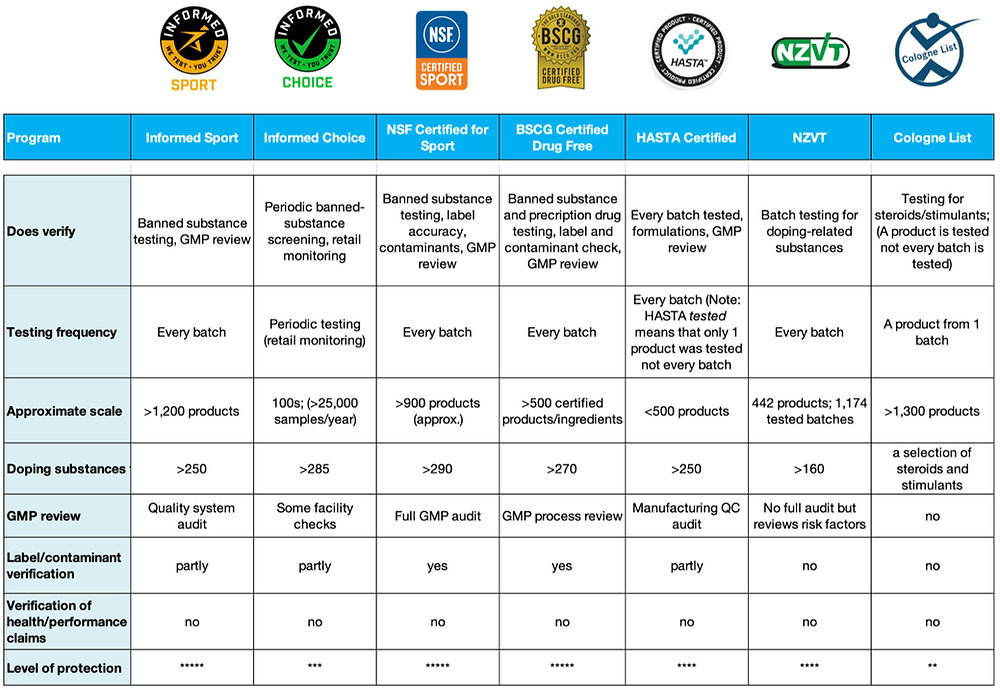
The appeal of supplements often lies in their promise of enhanced performance and recovery, yet many products on the market lack transparency and testing rigor. Quality assurance in supplements has become a pivotal issue, particularly regarding contamination with banned substances that could jeopardize not only athletic integrity but also careers. The reality is that supplements may not contain what you expect, and consequently, it’s crucial to choose certified products. Programs like Informed Sport and NSF Certified for Sport provide assurance through rigorous testing for a range of substances. They ensure that every batch of the supplements you rely on has been scrutinized, diminishing the risk of inadvertently doping.
As you refine your fueling strategies, timing and gut tolerance should remain central to your planning. An effective fueling strategy ensures that you can meet the high caloric demands of prolonged activity. Carbohydrate intake before and during your efforts must be tailored to the intensity and duration of your training. Implementing a progressive carbohydrate loading strategy before long races optimizes glycogen stores while also preparing your gastrointestinal system for the demands of rapid carbohydrate intake during competition. Testing different carbohydrate sources during training helps in identifying optimal options for race day; your goal should be to minimize gastrointestinal distress while maximizing energy availability.
Hydration, too, requires meticulous attention, especially when training or racing in challenging environments. Your fluid and electrolyte needs evolve based on conditions, duration, and personal tolerance. Utilizing supplements designed to aid hydration can be beneficial, provided they are validated for safety and efficacy. In hot and humid conditions, the risk of dehydration escalates, making systematic hydration plans vital. You might also explore the role of electrolytes in recovery, ensuring that you replenish essential minerals lost during prolonged sweating.
Metabolic efficiency is another critical aspect that you can enhance through strategic nutritional choices. By training in a state that emphasizes fat oxidation, you can develop a system more capable of utilizing stored fat for fuel, sparing glycogen, and thus improving endurance. This not only prolongs performance but can ease the recovery process as your body adapts to using fuel more efficiently. Adjusting your nutritional intake before and after training sessions can further support this efficiency, allowing you to recover adequately without excessive glycogen depletion.
Recovery optimization cannot be overlooked, as it’s often the determining factor in consistent performance. Implementing a well-structured post-exercise recovery plan enhances adaptations to your training regimen. Consider the timing of your intake of carbohydrates and protein, as studies suggest that consuming these macronutrients in a timely manner can maximize muscle recovery and glycogen replenishment. By utilizing supplements like branched-chain amino acids (BCAAs) or whey protein, you can facilitate faster recovery while enhancing the muscle-building process.
Furthermore, understanding your own body’s response to various supplements is essential. Each athlete is unique, and what works for one may not be effective for another. Experimenting during training with both solid and liquid nutrition options will aid you in crafting a personalized race day plan. Always ensure that any supplement you incorporate has undergone proper testing—this helps assure you that what you are consuming aligns with your competitive standards. While you pursue performance optimization, you should remain diligent, carefully tracking what works in your regimen and making adjustments as needed.
In closing, the key takeaway is to prioritize products that you know have gone through extensive quality assurance processes, thus minimizing risks and optimizing performance. This proactive approach not only enhances your training and racing but assures better recovery, allowing you to train and compete effectively, no matter the conditions. Always remember that the best supplement strategy complements a comprehensive nutritional plan and is an integral part of your overall performance.
