Close Menu
All About Ultras
  • News
  • Races
  • Nutrition
  • Culture
  • Tools
    • UTMB Ballot Calculator

Subscribe to Updates

Subscribe to our newsletter and stay updated with the latest news and exclusive offers.

What's Hot

New Gear Innovations Boost Performance for Upcoming UTMB Qualifiers

January 14, 2026

Unlock the Benefits of Using a Massage Gun for Effective Warm-Ups: Expert Insights

January 14, 2026

Trail Running Thrills: Upcoming 100K Races and UTMB Qualifiers to Watch!

January 13, 2026
Facebook X (Twitter) Instagram
All About Ultras
Login
  • News

    New Gear Innovations Boost Performance for Upcoming UTMB Qualifiers

    January 14, 2026

    Trail Running Thrills: Upcoming 100K Races and UTMB Qualifiers to Watch!

    January 13, 2026

    Trail Running Soars: New Gear Empowers 100-Mile Races at UTMB 2023

    January 12, 2026

    Trail Running Revolution: New Gear and 100M Race Insights Unveiled!

    January 11, 2026

    Trail Running Thrives: New 100K Races Propel UTMB Aspirations

    January 10, 2026
  • Races

    Unlock the Benefits of Using a Massage Gun for Effective Warm-Ups: Expert Insights

    January 14, 2026

    Swedish Runner Andreas Almgren Sets New European 10K Record with Fastest Time Ever Uploaded to Strava

    January 13, 2026

    Would You Join the ’24 Parkruns in 24 Hours’ Challenge for Charity?

    January 12, 2026

    Rachel Entrekin Captures #4 in 2025 UltraRunner of the Year with Dominant Season Highlights

    January 11, 2026

    Ann Trason’s Inspirational 100-Mile Journey at the 2025 Across the Years Event

    January 10, 2026
  • Nutrition

    Endurance Athlete’s Resilience: Overcoming Hamstring T-Junction Injuries in Ultramarathon Training

    January 8, 2026

    Endurance Athletes: Overcoming Concussion Symptoms to Achieve Unstoppable Performance

    December 30, 2025

    3 Resilient Principles for Endurance Athletes Overcoming Lateral Hip Pain

    December 23, 2025

    Empowering Endurance Athletes: Free AI Training Plans for Unstoppable Performance Recovery

    December 19, 2025

    Endurance Reclaimed: Overcoming Complex Regional Pain Syndrome in Ultramarathoning

    December 16, 2025
  • Culture

    Paralyzed Runner Defies Odds to Win Ironman in Hawaii, Inspires Millions

    January 13, 2026

    Triumphant Cancer Survivor Completes Marathon, Inspires at Richmond Medical Center Event

    January 11, 2026

    Triumphant Paralyzed Runner Defies Odds in Epic 26.2-Mile Marathon Journey

    January 9, 2026

    Paralyzed Ultramarathoner Faces Stage IV Cancer With Inspiring Race in California

    January 7, 2026

    Jess Learmonth defies odds, returns to triathlon after childbirth and injury.

    January 5, 2026
  • Tools
    • UTMB Ballot Calculator
All About Ultras
Home»Nutrition»Resilient Endurance: Overcoming Obstacles in Ultramarathon Recovery and Performance
Nutrition

Resilient Endurance: Overcoming Obstacles in Ultramarathon Recovery and Performance

Staff WriterBy Staff WriterSeptember 8, 2025No Comments4 Mins Read
Resilient endurance: overcoming obstacles in ultramarathon recovery and performance
Share
Facebook Twitter Reddit Telegram Pinterest Email

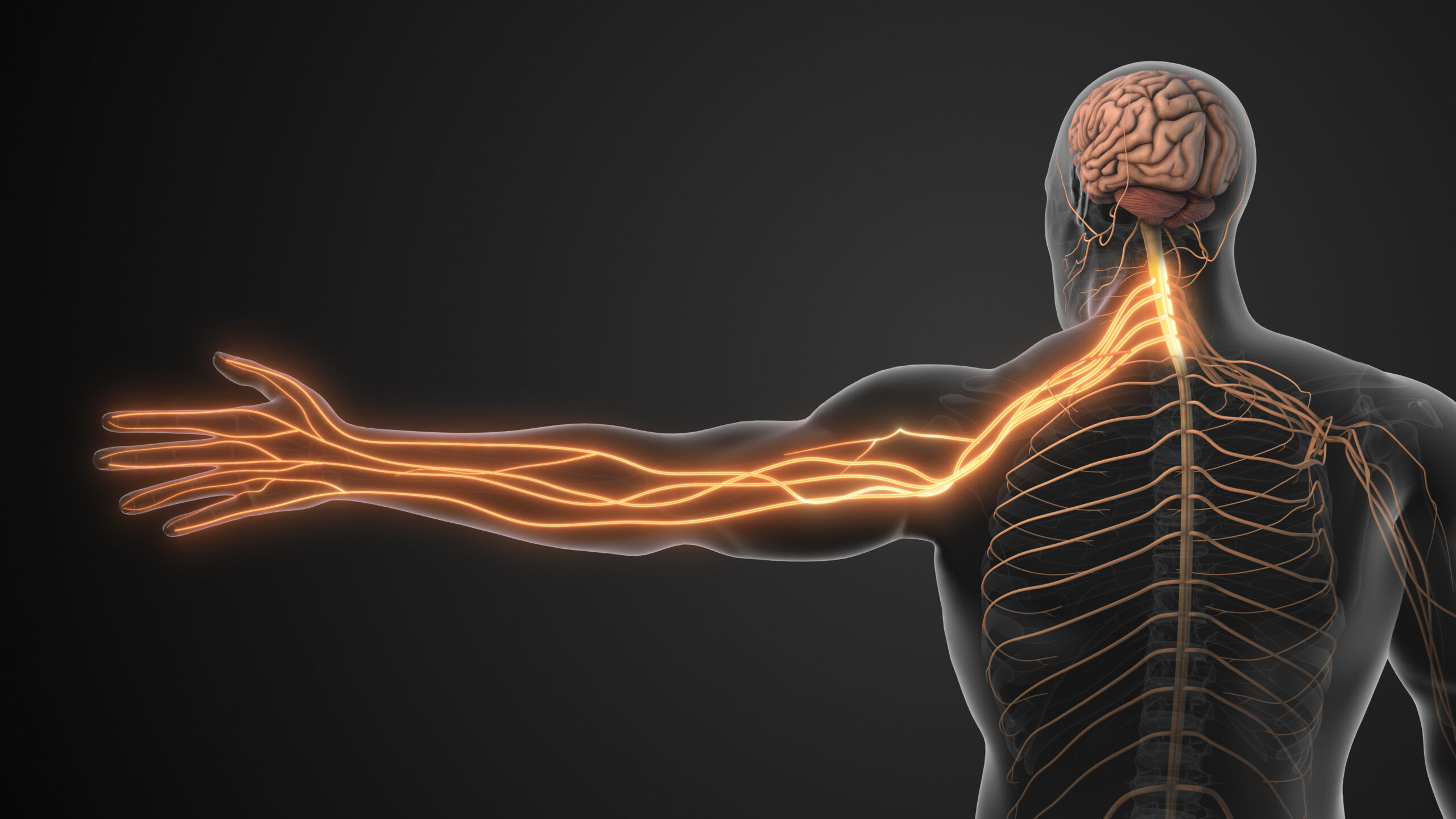
Cervical radiculopathy can significantly impact an endurance athlete’s performance, presenting symptoms such as neck pain and neurological disturbances that, if not addressed promptly, may lead to a decline in athletic capabilities. The condition is often associated with fear of long-term disability, which can further exacerbate physical and psychological barriers in athletes striving to push their limits in training and racing. In the realm of endurance sports, where the demand for resilience is high, understanding the nuances of recovery from conditions like cervical radiculopathy not only aids in overall performance but also fortifies an athlete’s ongoing trust in their training.

Athletes often seek reassurance when faced with the medical complexities of conditions affecting their neck and back. For those battling cervical issues, the initial management phase should encompass a clear understanding of the injury, focusing on the favorable prognosis typical of conservative care strategies. Effective communication about outcomes and rehabilitation objectives serves to alleviate anxiety associated with chronic pain, enabling athletes to maintain motivation and adhere to their recovery plans. Engaging them through transparent discussions about their condition can create a collaborative atmosphere that fosters trust—a critical element not only in recovery but also in regaining peak performance.

As symptoms begin to wane, the transition to mid-stage management emphasizes functional restoration—essential for endurance athletes who rely heavily on their physical capabilities. During this phase, it is crucial to implement individualized fitness strategies that can mitigate the risk of re-injury while building physical endurance. For example, athletes might start with low-impact aerobic exercises to reintroduce cardiovascular fitness without aggravating underlying conditions. It is essential to closely monitor movements and modify activities in response to symptom fluctuations, as the return to high-volume training can often trigger relapses.

In parallel, athletes should incorporate manual therapy techniques to address any stiffness or restricted mobility that could hinder their physical performance. Techniques such as cervical mobilization and thoracic manipulation not only improve mechanical function but enhance neural mobility, which is vital for athletes who rely on intricate muscular coordination. Optimizing movement efficiency through mobility work can lead to improved biomechanics while reducing the risk of compensatory injuries—something that endurance athletes cannot afford in high-stakes competition settings.

Strategically addressing the athlete’s work environment can prove beneficial as well. Providing ergonomic and vocational advice, especially for an athlete who spends extended durations training or working in compromising postures, plays a significant role in performance sustainability. Implementing structured microbreaks during training, for example, can prevent prolonged periods of immobility that negatively affect muscular performance. An athlete might also benefit from tools such as sit-to-stand desks to promote active resting periods, further enhancing both physical and cognitive performance.

Supplementation and nutritional strategies represent additional layers that can fortify recovery and overall performance. Hydration needs must be meticulously managed, particularly in prolonged training sessions under challenging conditions. An athlete should recognize that hydration directly influences endurance and recovery intervals. It’s prudent to craft a hydration plan based on sweat rate and environmental factors, ensuring that fluid intake adjusts dynamically to the workout demands.

Furthermore, nutritional timing and gut tolerance take a front seat in optimizing endurance performance. During high-volume training, athletes should refine their fueling strategies to ensure that energy systems are supported effectively. Integrating easily digestible carbohydrates during longer sessions enhances glycogen replenishment without overwhelming the gut. Additionally, exploring varied sources of carbohydrates and even testing new fuels during training can prepare the digestive system for race day scenarios, minimizing gastrointestinal discomfort and maximizing performance.

Recovery optimization also remains paramount. Active recovery protocols, including low-intensity exercise combined with restorative practices such as stretching and foam rolling, can facilitate healing without overtaxing the body. Implementing quality sleep strategies, such as creating a dark and cool sleeping environment, can improve restorative processes, impacting performance adaptations over time.

Inulcating a mindset that embraces long-term healing while maintaining a focus on performance metrics will aid in navigating the complexities of injuries like cervical radiculopathy. Athletes who acknowledge the interplay between injury rehabilitation and performance enhancement are more likely to emerge stronger. Ultimately, assessing one’s readiness to return to high-intensity training or competition should be informed by comprehensive management of symptoms and recovery practices, maintaining a holistic look at an athlete’s physical condition.

A practical takeaway for endurance athletes is to cultivate a fluid recovery protocol that balances symptom management, physical conditioning, and nutritional strategies. By integrating concepts of active recovery, hydration, and appropriate fueling strategies into their training regimens, athletes can enhance their resilience, push through challenging training sessions, and find themselves better prepared for the rigors of competition.

Endurance obstacles Overcoming Performance recovery Resilient Ultramarathon
Share. Facebook Twitter Pinterest LinkedIn Telegram Reddit Email
Previous ArticleTop Trail Runners Gear Up for UTMB Qualifiers This Fall
Next Article

Andrew Alexander Sets New Course Record at Georgina Marathon with 2:21:56

karan.kanishk
Staff Writer
  • Website

Related Posts

New Gear Innovations Boost Performance for Upcoming UTMB Qualifiers

January 14, 2026

Trail Running Breakthroughs: New Gear Enhances Performance in 100K Races

January 9, 2026

Endurance Athlete’s Resilience: Overcoming Hamstring T-Junction Injuries in Ultramarathon Training

January 8, 2026

Trail Running Pushes Boundaries: New Gear Boosts 100-Mile Race Performance

January 5, 2026

Boston Marathon Survivor Rebekah Gregory Defies Odds, Completes Epic Ultramarathon.

January 3, 2026

Trail Running Revolution: New Gear Boosts Performance Ahead of UTMB Qualifiers

January 2, 2026
Add A Comment
Leave A Reply Cancel Reply

Stay In Touch
Don't Miss

New Gear Innovations Boost Performance for Upcoming UTMB Qualifiers

By Staff WriterJanuary 14, 2026

In recent years, the landscape of trail and ultrarunning continues to evolve, influenced by a…

Unlock the Benefits of Using a Massage Gun for Effective Warm-Ups: Expert Insights

January 14, 2026

Trail Running Thrills: Upcoming 100K Races and UTMB Qualifiers to Watch!

January 13, 2026

Swedish Runner Andreas Almgren Sets New European 10K Record with Fastest Time Ever Uploaded to Strava

January 13, 2026

Subscribe to Updates

Subscribe to our newsletter and stay updated with the latest news and exclusive offers.

About Us
About Us

Welcome to All About Ultras, your ultimate destination for everything related to endurance sports, with a special focus on running. Whether you're a seasoned ultra marathoner, a weekend warrior, or just starting your journey into long-distance running, we are here to inspire, inform, and support you.

Our Picks

Swedish Runner Andreas Almgren Sets New European 10K Record with Fastest Time Ever Uploaded to Strava

January 13, 2026

Paralyzed Runner Defies Odds to Win Ironman in Hawaii, Inspires Millions

January 13, 2026

Trail Running Soars: New Gear Empowers 100-Mile Races at UTMB 2023

January 12, 2026
New Comments
    • About Us
    • Contact Us
    • Privacy Policy
    • Terms and Conditions
    • Disclaimer
    © 2026 All About Ultras. All Rights Reserved.

    Type above and press Enter to search. Press Esc to cancel.

    Sign In or Register

    Welcome Back!

    Login to your account below.

    Lost password?