


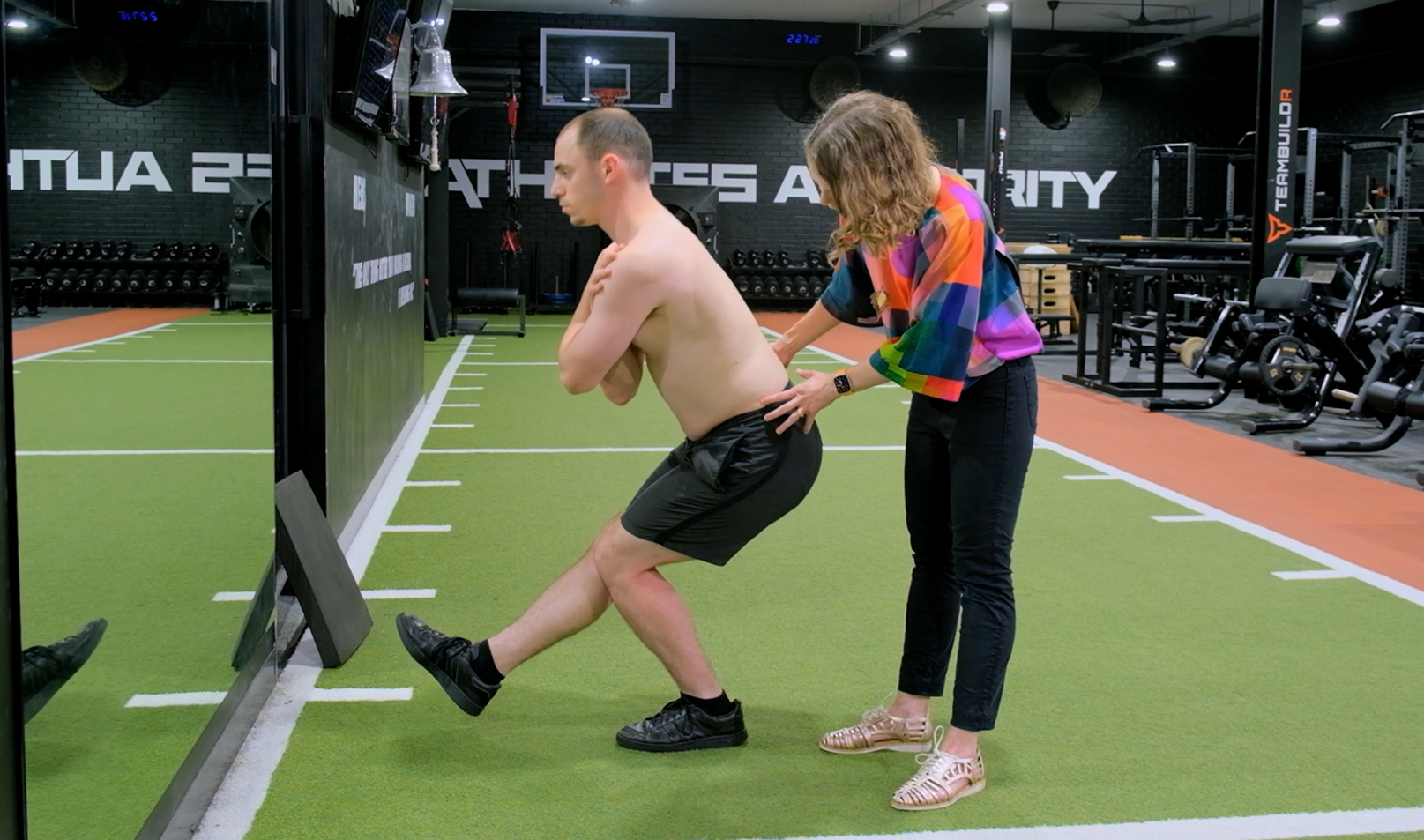
Patellofemoral pain (PFP) is a common concern among endurance athletes who engage in long-duration training or racing under challenging conditions. Although a robust education on injury management and a structured exercise regimen are essential, some athletes encounter difficulties in recovery or experience recurrent flares. These challenges often lead to a hesitancy to perform specific activities such as running or climbing stairs, which can be detrimental to both performance and overall well-being. For these athletes, integrating targeted interventions can facilitate progress and renew confidence in their capabilities.
One method that can add considerable value to a rehabilitation program is taping. Though it shouldn’t be considered the primary intervention in PFP management, it serves as an effective adjunct, especially for athletes at the beginning of their recovery process. Pain modulation through taping can help athletes comfortably engage in essential training tasks. For those struggling with high-volume loads, taping can provide immediate support, enabling them to maintain functional strength while managing discomfort. Specifically, medial glide taping should be used judiciously; excessive tension may induce joint irritation, counteracting the benefits that come from reduced pain. As athletes begin to experience less discomfort with key movement patterns—like running or performing stair climbs—adherence to exercise can improve, potentially enhancing overall performance.
Beyond taping, addressing psychological barriers is paramount. Many experienced athletes may develop fear-avoidance behaviors that restrict movement and hinder performance. By implementing graded exposure techniques, athletes can gradually confront their fears in a controlled manner. For example, practicing step-ups can help reinforce confidence while teaching the appropriate biomechanics involved in running and other activities crucial for endurance. Starting with minimal height may be beneficial; the focus should be on exposure and comfort rather than immediate strength gains. As confidence builds, athletes often discover that progress occurs rapidly, facilitating a return to rigorous training regimens.
Orthotics can also serve as a valuable resource for athletes dealing with PFP. While custom solutions are often discussed, evidence suggests that prefabricated orthotics can be just as effective in alleviating symptoms. Athletes may benefit from experimenting with prefabricated devices, particularly those that can be modified with wedges to suit individual needs. When utilizing orthotics, it’s essential to monitor how well they accommodate foot mechanics, subsequently making adjustments based on comfort and symptom relief. Immediate improvements in comfort while walking or running can reinforce the use of orthotics in a structured training program.
Manual therapy represents another dimension of care that can enhance recovery and performance. While opinions vary on its effectiveness, numerous multimodal approaches for treating PFP successfully incorporate manual therapy strategies. The application of medial glides on the patella, for instance, can target stiffness and pain modulation, enabling athletes to engage more effectively in a diverse range of movements. Additionally, self-mobilization techniques can empower athletes to manage symptoms proactively. Techniques that improve dorsiflexion at the ankle are particularly valuable, given the impact limited mobility can have on overall biomechanics during endurance events. If ankle dorsiflexion is restricted, athletes may inadvertently increase stress on the knee joint when squatting or running, influencing performance outcomes.
To optimize recovery, a multifaceted approach is essential—one that includes nutrition timing, hydration, and supplementation strategies. Athletes must time their carbohydrate intake for optimal metabolic efficiency, ensuring that energy reserves are replenished both during and after prolonged endurance sessions. Fueling strategies that emphasize easy-to-digest carbohydrate sources can help maintain gastrointestinal comfort during longer races. Hydration is equally critical; maintaining fluid balance significantly impacts performance longevity and cognitive function. Incorporating electrolytes can protect against hyponatremia and improve endurance sustainability.
Regarding recovery optimization, the integration of targeted nutrient timing is vital. Athletes should focus on a recovery window that ideally begins within 30 minutes post-exercise, consuming a combination of carbohydrates and proteins to facilitate muscle repair and glycogen replenishment. This practice should be consistent, setting the stage for effective training cycles and performance enhancement. Supplements may also provide valuable support—anti-inflammatories, adapted to the needs of the individual, can be used judiciously to counteract excessive soreness without impeding recovery.
In conclusion, both education and a comprehensive exercise approach remain fundamental in managing PFP among endurance athletes; however, implementing specialized strategies may serve to enhance recovery and promote performance. Athletes experiencing fear, discomfort, or plateaus in their training should consider integrating taping, graded exposure, orthotics, and manual therapy into their routines. These interventions can foster a renewed sense of confidence and adaptability, ultimately refining performance capabilities in demanding environments.
One tangible takeaway for endurance athletes to apply in their training or recovery is to implement a strategy for gradual exposure to feared movements—such as running on inclines or descending stairs—beginning with manageable variations to build confidence and reinforce the mental and physical skills required for efficient performance.
