


The Tahoe Rim Trail 100 Mile is a significant event on the ultrarunning calendar, drawing experienced athletes each July to its challenging terrain in the Sierra Nevada near Lake Tahoe. Renowned for its breathtaking views and high-altitude challenges, the race is set entirely in the Spooner Lake area of the Carson Range. Its highest point, Snow Valley Peak, reaches an elevation of 9,214 feet, presenting not only a test of physical endurance but also mental resilience due to the ever-changing weather conditions. Participants should be prepared for summer winds that can gust between 20 and 40 miles per hour, potentially impacting both pacing strategy and race-day comfort.
The aid stations along the course play a crucial role in the experience and success of runners. Among these, the Snow Valley Peak aid station has gained a reputation for its unique hospitality and atmosphere. Runners pass through this aid station twice, at approximately mile 9.5 and again at mile 52.5, which allows for strategic planning around nutrition and hydration needs for both legs of the course. The logistical challenges behind managing such a remote aid station provide a deep insight into race planning. Volunteers must transport a variety of supplies, including a 210-gallon water tank, a tent, and essential items for a three-day stay in the backcountry. This level of preparation can inform runners about the complexities involved in supporting races in remote locations, which can impact how they prepare for self-sufficiency in similar races.
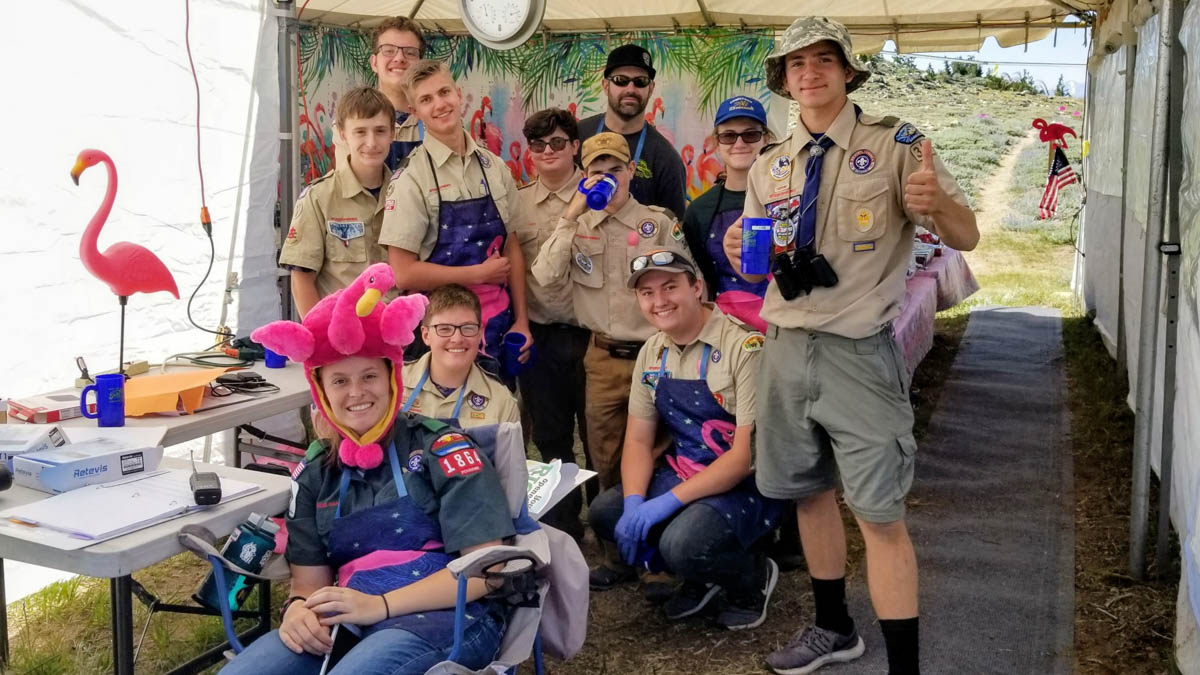
The racetrack serves as an important reminder of the value of well-managed aid stations. The volunteer team, often powered by local youth organizations like the Carson City High School Cycling Team, greatly enhances the atmosphere at these pivotal points. Insight from individuals like Danyel Soulier, the aid station captain, emphasizes how the combination of volunteers and a festive theme—such as the flamingo motif at Snow Valley Peak—helps create a welcoming environment that fosters community among competitors. The vibrant scene at the aid station transforms the support provided to runners, making it an integral component of their experience and recovery during the race.
Weather variations pose the foremost challenge for athletes, who must navigate not only temperature extremes but also conditions such as biting insects and dust, which can alter breathing patterns and pacing. Runners coming to this race should strategize accordingly—reviewing the forecast and preparing gear and supplies that specifically cater to their needs. Having the right clothing layers for heat, cold, or wind could mean the difference between a strong finish and an early exit from the race. Additionally, equipped with familiar nutrition strategies, seasoned runners often perform better in high-stress environments where body temperature regulation and hydration are paramount.
Athletes often prioritize speed and endurance training, but the insights garnered from the Snow Valley Peak aid station regarding hydration—particularly interesting is the unique offering of sorbet—can lead to novel tactical implications for ultra-runners. As many runners attest, palate fatigue during long races is common, and introducing unexpected and refreshing alternatives can be key. This adds another dimension to nutrition planning; experimenting with such options during training could yield significant performance benefits.
The presence of seasoned race directors and volunteers at locations like Snow Valley Peak also highlights the value of community in ultrarunning. George Ruiz, the long-time race director, notes the importance of location for creating memorable experiences, which affects long-term racer engagement and community involvement in ultramarathons. Understanding how location impacts runner psychology and motivation may help other race directors create similar environments that foster loyalty and a spirit of camaraderie, which translates to success for both runners and events alike.
Highly experienced runners should be investing time into assessing not only their physical training plans but also their mental preparedness for extended periods in difficult conditions. By leveraging insights from unique race environments such as Snow Valley, athletes can refine their personal strategies, taking into account the benefits of community interaction and the supporting roles of volunteers. Having reliable partners at aid stations can be as important to overall performance as one’s own endurance training.
In preparation for challenging mountain races like the Tahoe Rim Trail 100 Mile, seasoned athletes should focus on the integration of logistical strategies with their training regimens. The ability to adjust plans on the go while remaining adaptable to the unpredictable nature of high-altitude racing environments proves essential. Whether it’s strategically using specialized nutrition and hydration tactics or maintaining an open mindset regarding changing conditions and community support, the lessons derived from the operational elements of races can lead to improved outcomes.
Ultimately, the experience at well-supported aid stations underscores a critical takeaway for all serious mountain ultrarunners: the race is often won or lost in the planning and execution of support, both personal and communal. Invest wisely in your resources—training, logistics, and support teams—and you may discover how crucial these elements are to achieving your personal best in the demanding landscape of mountain ultras.
