


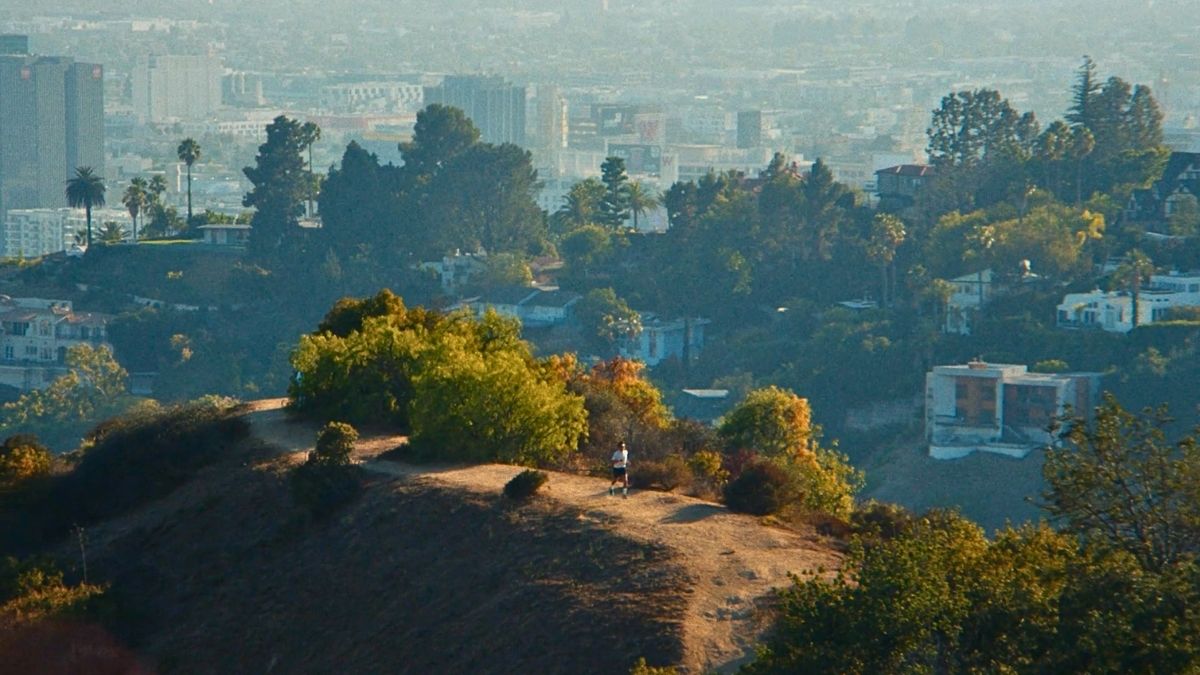
Los Angeles, California, often associated with its notorious traffic, presents a unique landscape for experienced trail and ultrarunners. Though it may seem counterintuitive, the sprawling city offers a rich tapestry of diverse terrain, integrating coastal paths with mountainous trails, thus affirming a vibrant running culture that thrives on both collaboration and competition. This environment proves ideal for seasoned athletes focusing on developing their strategies and insights ahead of upcoming mountain races.
For those preparing for events such as those that may qualify for the Ultra-Trail du Mont-Blanc (UTMB), understanding the nuances of trail selection is essential. The region surrounding Los Angeles boasts several trails that cater to various demands, from elevation gains to technical descents. The Point Vicente Beach Walk, for instance, is well-known not just for its scenic views but for its mix of terrain. Its rolling dirt paths along dramatic bluffs can simulate elements experienced in mountain races. Training on this trail allows runners to adapt to the winds and varying surfaces they might face in competitive scenarios, honing their pacing strategies during longer efforts.
Another noteworthy route is the West Ridge Trail, which provides a steady elevation gain of around 606 feet over 4.5 miles. This trail’s open ridgelines and panoramic views across the Pacific and downtown Los Angeles offer the perfect opportunity for developing endurance while maintaining speed—an important factor as athletes sprint through stretches of an ultra or manage energy on gradual climbs. Early morning runs here can improve both adaptability to temperature fluctuations and tactical planning for race-day pacing.
In training for races demanding consistent high performance over mountainous terrain, the Ferndell to Mount Hollywood Summit Loop merits special consideration. The 5-mile course starts in shaded areas, allowing runners to focus on heart rate management at lower temperatures, which can contrast sharply with more exposed sections. Carrying this experience forward, runners can test their fueling strategies and hydration needs in conditions that mimic race-day challenges, particularly as the elevation gain reaches over 1,000 feet. Mastering this transition from shade to exposure can significantly affect performance in similar conditions during an ultra or trail marathon.
The Musch Trail to Eagle Rock is another excellent option for experienced runners, providing a mix of shaded groves and rugged terrain. The nearby sandstone outcrop offers a chance to assess pacing during climbs while focusing on stabilizing core muscles. As runners navigate this technical singletrack, they can practice their dynamic pacing techniques, adapting to varying trail profiles and refining their approach to unexpected terrain changes, thereby enhancing their race-day strategy.
The concept of community plays a significant role for runners targeting high-level competitions. Local run clubs offer connectivity, not just for social engagement but also for adopting diverse training methodologies. Resources like LA Running Connoisseur extend beyond simply listing clubs; they provide insights into group dynamics that can help experienced runners align their personal training goals with collective efforts. Connecting with like-minded athletes or mentors offers opportunities to exchange critical insights about pacing, nutrition, and post-training recovery, all of which influence race performance.
Trail races in Los Angeles, such as the Griffith Park Trail Marathon Relay, the SoCal Trail Half Series, and the Angeles National Forest Trail Race, are vital for runners seeking to gauge their performance in race-like conditions. Participation in these events enables runners to implement strategies that they have refined during training. Observing competitors’ pacing during climbs or assessing their fueling habits can provide invaluable feedback, aiding in adjustments necessary for future races. Ultimately, these local challenges contribute to mental resilience and strategic planning crucial for success in larger competitions.
As competitive running continues to evolve, innovation in gear is paramount. Lightweight and reliable equipment can drastically affect a runner’s experience over mountain distances. For instance, the emergence of newer shoe models with advanced cushioning technology can influence energy return and fatigue management during long-distance efforts. Selecting the right shoe for specific trails enhances stability on uneven surfaces while minimizing injury risks. Knowledge about these advancements allows experienced athletes to make informed decisions about their performance gear, affecting overall race outcomes.
In conclusion, the varied terrains and rich training opportunities available in Los Angeles make it a strategic locale for experienced trail and ultrarunners preparing for serious mountain distances. Integrating a thorough understanding of local trails, community resources, and innovations in gear can lead to meaningful performance enhancements on race day. For athletes looking to fine-tune their approach and execution in upcoming events, the key takeaway is to continually assess their environments and training choices. Adaptability and informed decision-making in these areas not only heighten preparation but also increase the chances of accomplishing personal and competitive goals in challenging mountain races.
