


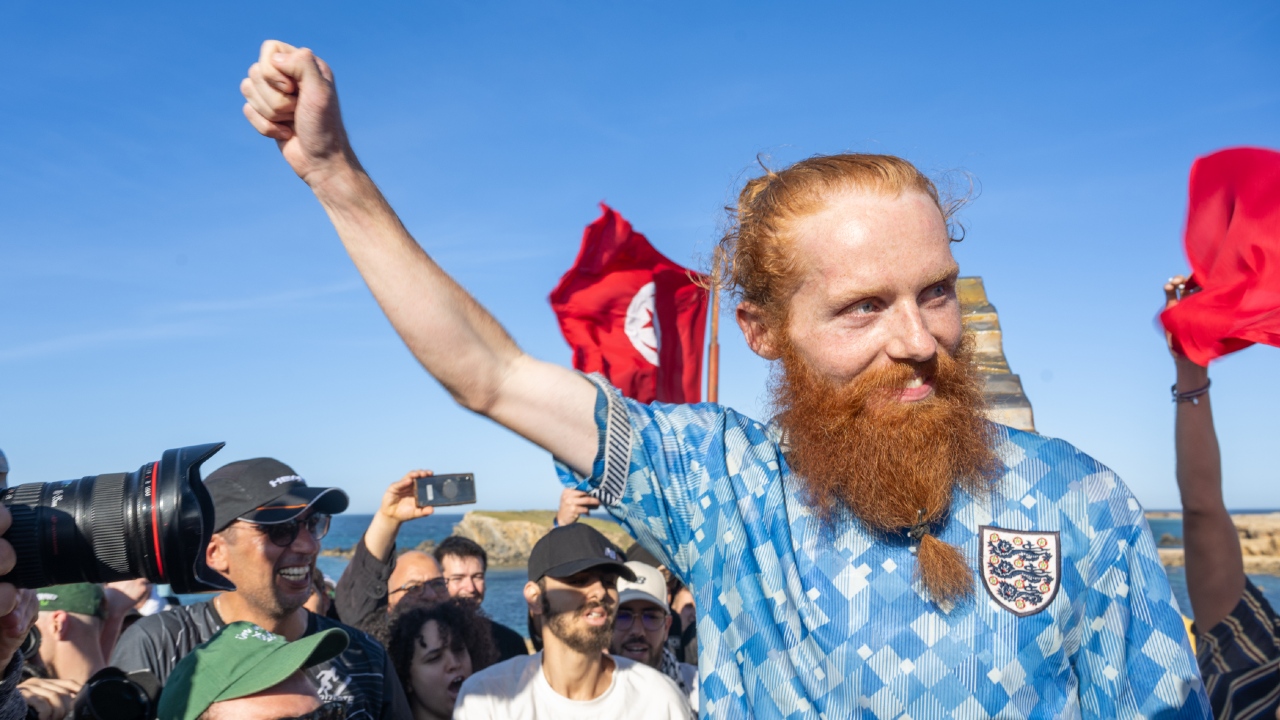
Ultra-endurance athlete Russ Cook, recognized in the running community as the “Hardest Geezer,” has unveiled a new lineup of ambitious challenges catering specifically to ultra and trail running enthusiasts. Cook, who gained notoriety for completing the first full-length run across Africa, is now shifting his focus towards a mix of traditional marathon distances and ultra-endurance events over varying terrains.
His latest pursuits include running a sub-2:30 marathon at the London Marathon in 2026, which signals a serious commitment to speed and endurance—a crucial factor for any runner preparing for competitive mountain races. This intense goal not only sets a performance baseline but also offers insights into the necessity of pacing and energy management throughout long-distance efforts. By establishing a clear target for marathon pace, athletes can refine their training regimens, optimizing endurance while managing fatigue.
Cook’s plans extend to a sub-7:30 finish in a 100-kilometer race, which emphasizes the dual importance of speed and endurance as runners progress towards ultra distances. This target aligns with the needs of those facing the challenges of varied terrains in mountain races, where pacing can be crucial to maintaining stamina over long periods. Strategies such as interval training and tempo runs become essential in building the required speed while still preparing the body for the cumulative fatigue of ultra-running across undulating and unpredictable landscapes.
Another component of Cook’s undertaking includes completing a 250-kilometer race within 24 hours. This goal underscores the physiological demands of ultra-running, including how to fuel efficiently and manage hydration over prolonged periods. For seasoned mountain runners, this goal is reminiscent of the endurance challenges seen in prestigious events like the UTMB (Ultra-Trail du Mont-Blanc), where managing energy and pacing across dynamic elevations is essential. Understanding how to effectively approach these long-distance goals can provide insights into energy management, aiding in the development of personalized nutrition and hydration strategies.
Qualification for Team GB’s 24-hour running squad represents another challenge for Cook and reflects the elevated competitive standards inherent in global ultra-events. For mountain runners aspiring to similar heights, the importance of persistent training and skill development in both terrain navigation and mental fortitude cannot be overstated. Successfully entering the elite competitive realm often hinges on aligning one’s training plan with realistic performance metrics and skill evaluation, tailored to specific race demands.
Cook’s target to set new records for both the Land’s End to John o’ Groats (LEJOG) segment and the TransAmerica Run enriches the narrative surrounding long-distance running with specificity towards the logistical and strategic preparation necessary for such endeavors. As any ultrarunner knows, course and environmental changes can significantly impact performance, making familiarity with the route essential. Future races like LEJOG highlight the importance of reconnaissance, in which athletes can scout the course to gain insights about pacing, expected challenges, and critical checkpoints where energy management tactics like refueling and rest come into play.
Cook’s efforts to establish the longest non-stop run ever—currently pegged unofficially at 581 kilometers—further illustrate the relentless pursuit of pushing human limits in endurance sports. This goal reflects the intricacies surrounding mental focus, physical endurance, and the ability to rebound from setbacks. The focus on a singular, sustained effort requires meticulous planning, including a deep understanding of the balance of training loads and recovery, factors that seasoned ultrarunners must constantly recalibrate as they approach major competitions.
Interestingly, Cook’s commentary on his New York Marathon experience reveals critical insights about pacing and mental processing during high-stake races. Missing his targeted finish time serves as a reminder that adaptability to conditions remains essential; the difference between success and failure often lies in the ability to recalibrate goals mid-race based on one’s state. Being attuned to energy levels and conditions can inform pacing strategies to avoid burnout—a vital consideration when running technical mountain ultras, where terrain and elevation are likely to impact performance unpredictably.
For seasoned mountain runners, the takeaway from Cook’s ambitious roadmap lies in the importance of goal setting informed by previous experiences and performances. History shows that setting audacious goals can propel an athlete not just towards performance improvements but also provide clear benchmarks to evaluate training efficacy. As the landscape of ultra-running continues to evolve with emerging races and evolving gear technology, establishing performance goals that incorporate both speed and endurance will be crucial for harnessing capabilities to meet future challenges.
Ultimately, athletes should approach their training with clear benchmarks derived from former experiences, both personal and observational, charting a course toward success in their upcoming mountain ultra endeavors while maintaining flexibility in training and re-evaluating performance targets as needed.
