


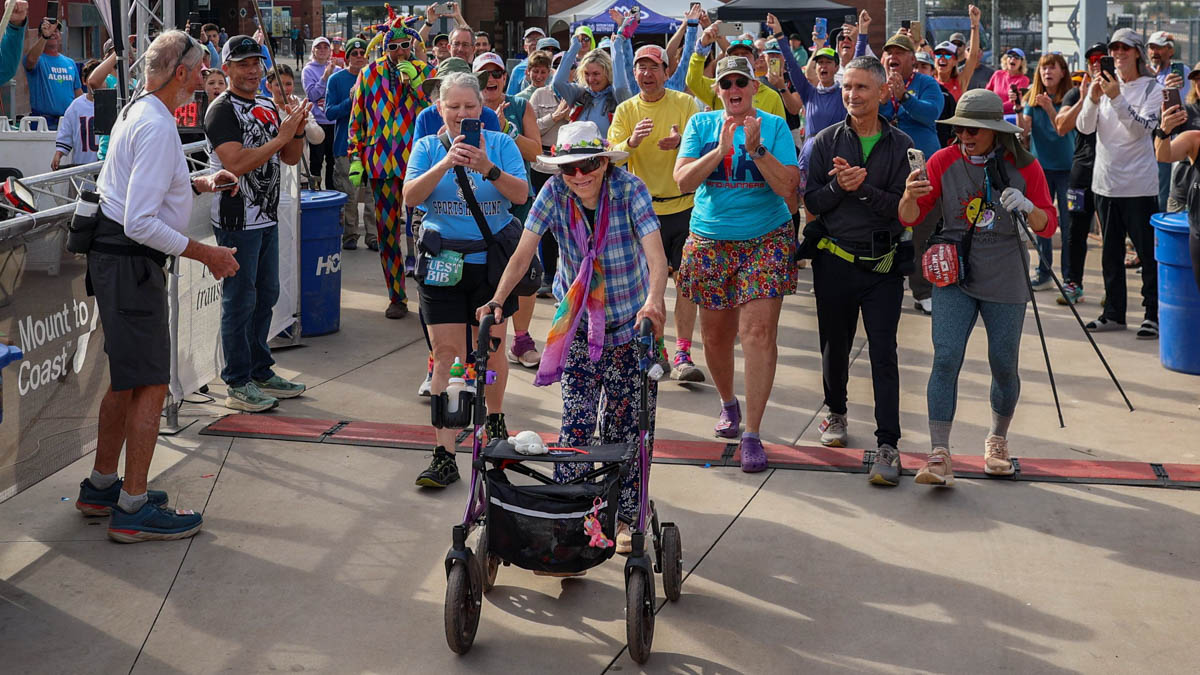
The recent Across the Years event held in Peoria, Arizona, from December 28, 2025, to January 3, 2026, showcased a blend of endurance and tactical racing strategies across varying time categories, emphasizing the nuances that experienced ultrarunners should anticipate in their training for mountain races. Runners competed on a consistent 1.42-mile loop, which offers a unique environment for strategic pacing and psychological endurance management, elements crucial for mountain race preparation.
Athlete performances provide critical insights into pacing strategies. Notably, Sierra DeGroff secured the women’s and overall six-hour win, covering 43.7 miles, with impressive resilience demonstrated throughout the event. The results highlighted a trend where women occupied the top four positions overall, suggesting an emerging shift in competitiveness and performance-level equality within ultrarunning. This might prompt male runners to analyze pacing and recovery strategies thoroughly while competing against women who have been increasingly proficient in endurance formats.
Megan Eckert dominated the 12-hour category, achieving an impressive 81.2 miles, complemented by Matt Heacock’s men’s victory at 70.5 miles. Eckert’s performance illustrates the importance of strategic nutrition and hydration management over a lengthy competition, both of which are pivotal considerations for runners training for extended mountain ultras where elevation and terrain can further complicate energy maintenance.
Athletes engaged in varied race formats, from six days down to single-day efforts, elucidating the diverse strategies needed across different timelines. For instance, Michael Carson’s triumph in the Last Person Standing race with 145 laps demonstrates an advanced understanding of pacing in an endurance format; runners should elevate their focus on maintaining consistent energy expenditure throughout fluctuating laps while negotiating fatigue. The interplay between mental fortitude and physical condition plays an essential role in these extreme endurance events, highlighting the significance of psychological resilience training within an ultramarathon training regime.
The 24-hour race further encapsulated these principles, where Aden-Shiloh Broyles led with 121.3 miles, indicating the critical nature of race-day mental preparation in addition to physical conditioning. The necessity of adaptability is paramount; runners should cultivate situational awareness, adjusting both their pacing and fueling tactics based on evolving conditions on the ground. The strategic importance of pace management cannot be overstated, particularly in mountainous terrain where unforeseen variables may require real-time adjustments to ensure performance goals are met.
The New Year’s One Day race in San Jose provided additional case studies in race tactics, with Ayako Murai excelling at 112.4 miles and Daniel Chang leading the men’s field with 102.1 miles. The flat terrain of the event is beneficial for testing speed endurance, yet ultrarunners must remain cognizant of how this translates into hillier race conditions. The conversion of flat race efficiencies into the mountain environment requires a recalibration of muscle memory and pacing approaches.
Gear choices remain an integral component of race success in ultrarunning. Tyler Andrews set a new world record with his Everesting effort, which may prompt a reevaluation of climbing gear and footwear, critical in steep mountainous settings. Strategies surrounding optimal gear weight versus durability must be considered; ultra-distance athletes should invest time into testing various setups during training to ensure minimal fatigue and maximum efficiency on race day.
In the realm of record-breaking performances, Amy Mower’s astounding 141 miles over 48 hours further underscores the need for tailored fueling strategies and recovery protocols, especially pertinent for mountain ultrarunners training for similarly taxing competitions. Understanding individual energy needs and the physiological response to prolonged exertion should guide training regimens and race-day strategies.
Moreover, the influx of emerging talents within the ultrarunning scene indicates a shifting landscape where consistent pacing, nutrition strategy, and mental fortitude are increasingly critical to achieving competitive outcomes. This necessitates that seasoned runners not only refine their personal disciplines but also remain adaptable to evolving competition dynamics and race formats.
All these insights underline the importance of tactical planning leading up to race day. Experienced ultrarunners must continually evaluate their pacing, nutrition, gear, and mental resilience in relation to their specific mountain race goals. A focus on adaptability, not just in physical conditioning but also in mental preparation and strategic execution, will be vital as the ultrarunning community evolves with rising standards and records. As racers look toward upcoming endurance events, the takeaway should be clear: fostering a multifaceted training approach that prioritizes tactical awareness and responds to the unique challenges posed by different race formats and terrains can make all the difference in achieving peak performance.
