


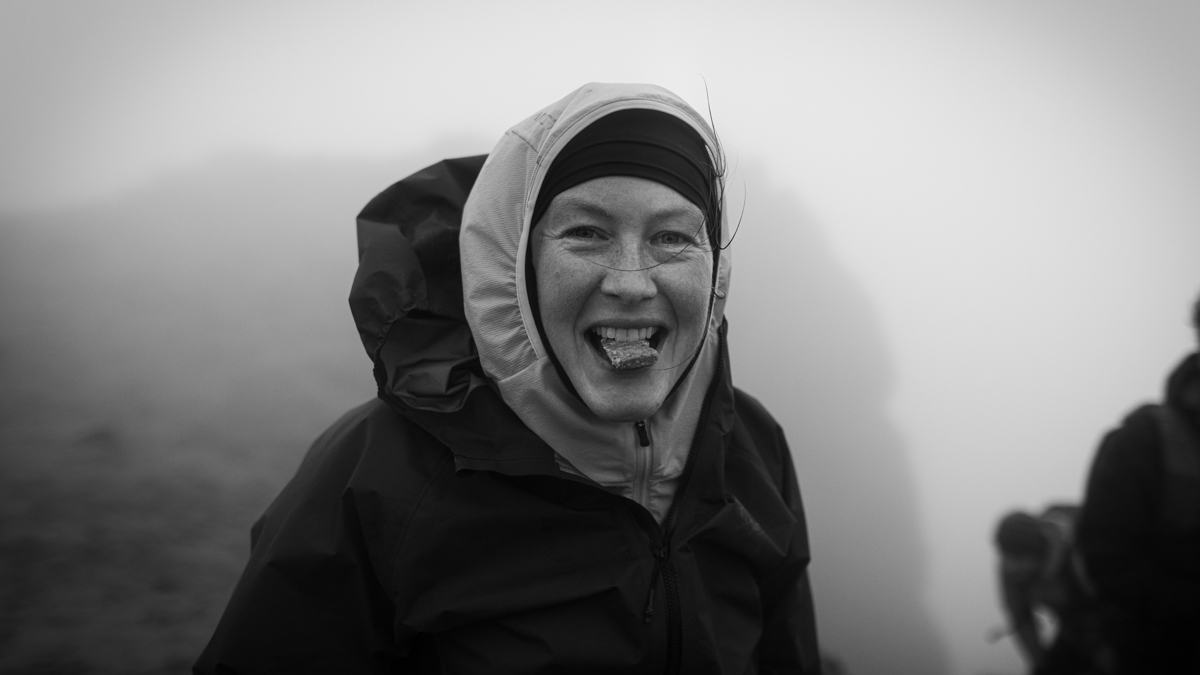
Norwegian ultrarunner Henriette Albon has been making noteworthy strides in the trail and mountain running scene, characterized by her competitive spirit and keen insights on the sport. With a background built around a family deeply involved in orienteering, Albon transitioned from a solid foundation in various physical activities to a dedicated focus on ultrarunning after an initial foray into obstacle racing.
Recent performances showcase her determination and competitive nature, notably her wins at the Ultra Trail Snowdonia 50k and Les Templiers 50k, along with commendable finishes at prestigious ultramarathons like the Lavaredo Ultra and CCC. This trajectory illustrates a clear upward trajectory in her career, particularly as she targets long-distance races that align better with her physical capabilities and racing strategies. Albon has often highlighted her strength in maintaining endurance over extended periods, a trait that seems to resonate well with the demands of ultramarathons, where both physical stamina and mental resilience play key roles.
Albon’s candid approach regarding race preparation and training reveals valuable insights for serious athletes. She acknowledges the wear and tear that rigorous training can lead to, particularly as she faced challenges with injuries linked to relative energy deficiency in sport (RED-S) syndrome. This experience has shaped her perspective on self-worth and the importance of taking care of one’s health as a priority over competitive success. As she recuperated from her injuries, she found solace in the length and exploration that ultrarunning offers. Long runs not only become a test of speed but also ventures into the unknown, aligning with her adventurous spirit.
The transition to favoring longer distances became evident during the pandemic when, with fewer formal competitions, she relished extended days in the wild, cementing her gravitation towards the ultra format. Her strategy appears to balance rigorous training while maintaining the joy inherent in such explorative pursuits. An interesting aspect of this class of races is how pacing strategies become paramount. Albon embodies this philosophy, often pacing herself more conservatively initially, which allows her to sustain energy for the distance. Her insights suggest that adaptability in both strategy and mindset can be crucial during races, with tactical decision-making guiding performance in the latter stages of events.
A notable advancement in her career was the completion of the midwinter Bob Graham Round, a demanding 106-kilometer course across 42 peaks in the U.K.’s Lake District. The event’s complexity and the necessity for tactical awareness sharpen the skills needed for more competitive races. Albon’s record-breaking time of 17:55 not only underscores her prowess but also reveals the importance of logistical planning and teamwork—essential elements often overlooked in the pursuit of individual excellence.
Continuous evolution characterizes her approach, as she prepares for races like the 2026 Transgrancanaria. Albon openly discusses her training cycles leading up to competitions, which underscores significant planning that includes adapting to local conditions and training with peers who bring competitive environments to her workouts. This highlights the competitive landscape she strives in, with top athletes in her vicinity allowing for a shared learning experience. Albon mentions the significance of pacing relative to competing athletes and recognizing one’s own limits allows for strategic placement within the field during races.
The importance of gear innovation also plays a crucial role in optimizing performance during mountain races. Albon has been vocal about the lack of suitable clothing for female runners, particularly referencing shorts that cater to varied body types while mitigating chafing. This critique indicates a broader need for gear tailored to the physical demands of ultra distance running, suggesting that manufacturers need to pay closer attention to the specific requirements of endurance athletes.
As races evolve, understanding changes in courses, weather patterns, and other logistical elements becomes vital for preparation. Given the unpredictable nature of mountain weather, as experienced during her Bob Graham Round attempt, it reinforces the prudence of being adaptable not just in pacing but in logistical considerations such as nutrition and hydration strategies.
Ultimately, Albon’s journey illustrates that ultrarunning extends beyond mere speed. It encapsulates a complex dance of physical endurance, mental fortitude, strategic adaptation, and community engagement. Those preparing for mountain ultras should aim not only to hone physical capabilities but also refine their approach toward training, gear choice, and race strategy, recognizing that performance is often a reflection of a balance between preparation, personal well-being, and adaptability in the face of race-day challenges. A salient takeaway is that awareness of one’s capabilities and setting realistic race strategies can significantly impact performance in the ever-demanding landscape of ultrarunning.
