


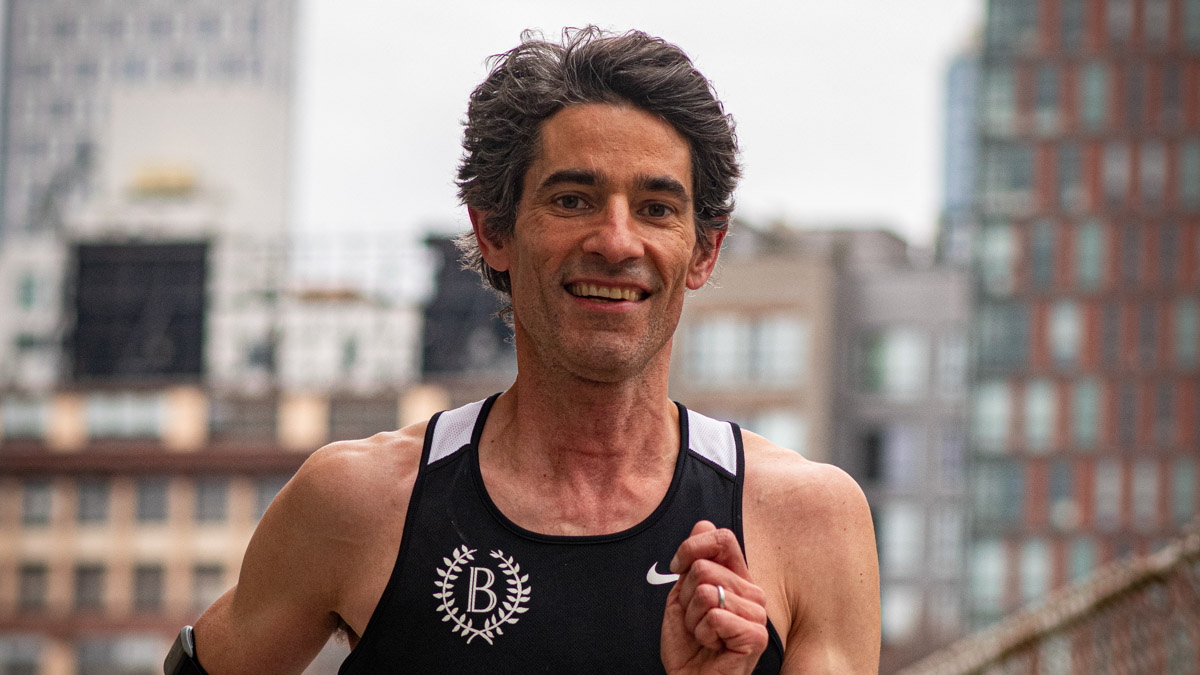
In the ever-evolving landscape of trail and ultra running, Nicholas Thompson’s memoir, “The Running Ground,” released on October 28, serves as a poignant reminder of the sport’s foundational role in shaping not only an athlete’s identity but also their approach to challenges—both on and off the course. Thompson, who possesses a multifaceted background including his tenure as CEO of The Atlantic, cancer survival, and a dedication to pushing his limits in long-distance running, examines how the act of running is interwoven with life’s greater complexities.
For experienced trail and ultrarunners, understanding the relationship between running and personal history can reveal insights relevant to performance. Thompson reflects on his time as a runner, from early experiences with his father to confronting life’s trials through running. This perspective resonates as many athletes prepare for significant races where physical endurance is often matched by mental fortitude. The complexities of familial ties, personal health struggles, and the search for identity can echo through the training regimes of ultrarunners who often face unique challenges during long mountain races.
Central to Thompson’s narrative is his relationship with his father, a connection that embodies both inspiration and conflict. In reviewing his father’s running achievements alongside his personal struggles, Thompson elucidates how these multidimensional relationships can inform one’s approach to competition. Unlike traditional races, ultrarunning often demands a deep understanding of one’s own psychological landscapes. The lessons learned through familial dynamics may sharpen mental strategies essential for endurance racing, particularly when confronted with fatigue or self-doubt during critical points in a race.
Further, Thompson’s experience with thyroid cancer exemplifies the synergy between running and confronting mortality. During the years of battling illness, his return to running became a testament to resilience. For ultrarunners, recovery periods provide vital lessons in resilience, pacing, and the importance of listening to one’s body. This is particularly relevant in the context of preparing for arduous mountain trails where conditions can shift unexpectedly, demanding adaptability and mental acuity to navigate both physical exertion and psychological strain.
While the memoir is personal, its undercurrents of discipline and exigency are applicable to athletes preparing for rigorous events. As he chronicles training for the Chicago Marathon alongside a team from Nike, Thompson emphasizes the importance of data-driven approaches to performance. In contrast to the typically solitary nature of trail running, this shift toward structured, mentorship-based training could affect how ultrarunners strategize their preparation. With more events adopting data analytics for pacing and energy management, especially in grueling mountain conditions, athletes can glean tactical advantages from embracing a similar ethos that emphasizes the importance of collaboration and informed decision-making.
Thompson’s narrative also delves into the competitive aspect of his journey—his impressive 2:29:13 marathon finish serves as an illustrative benchmark for ultrarunners who often set their sights on ambitious goals that push the boundaries of what is achievable. For those seeking UTMB qualification, this serves as a critical reminder: performance at such levels is not merely a matter of physical prowess but is intertwined with psychological readiness and the ability to adapt training regimens to accommodate both personal aspirations and environmental conditions.
Moreover, the exploration of mortality and its implications cannot be understated in the realm of ultrarunning. As Thompson reflects on the passing of his father, he illustrates the profound impact of loss coupled with personal milestones. This notion resonates deeply within ultra events where each racer confronts their limits long after the adrenaline of the race has subsided. The mental reflection on personal challenges can translate into essential strategies for managing pacing and energy reserves on long climbs or during extended descents, where fatigue can alter performance.
Thompson’s memoir is a call to appreciate running’s nuanced role beyond mere physical endurance; it is an exploration of its capacity to shape character, refine resilience, and clarify personal objectives. For ultrarunners, this encompasses training strategies that consider both physiological and psychological dimensions of endurance sports, thus allowing for a more holistic approach to race preparation.
As the ultra scene continues to evolve, with new races and courses being developed alongside innovative gear and training philosophies, Thompson’s insights offer a reflective lens through which serious athletes can scrutinize their preparation practices. Whether it involves adjusting one’s training plan based on previous experiences or integrating mental strategies drawn from personal history, the essence of his narrative encourages responsibility towards one’s approach to the sport.
Ultimately, the key takeaway for ultrarunners is the importance of self-awareness in training and racing. Understanding the intricate relationship between personal history, mental toughness, and physical preparation can empower you as you navigate the challenges and uncertainties inherent in mountain races of any distance. This multifaceted awareness can not only enhance performance but also enrich the experience of trail running, transforming it into a journey that extends beyond the finish line.
