


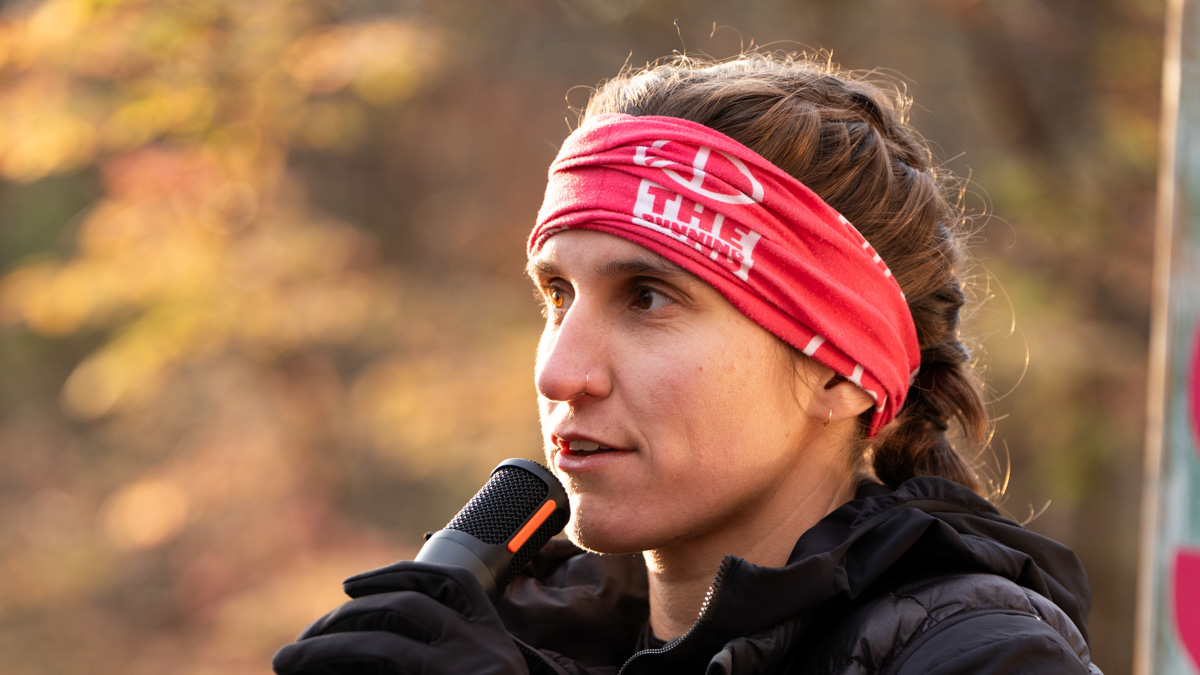
Johnny Cash’s “Running Kind” might evoke themes of escape, but for Aimee Kohler and her race organization, The Running Kind, the focus is firmly on community, kindness, and environmental responsibility. Founded in 2022, The Running Kind has carved out a niche in the trail running circuit, setting itself apart by prioritizing sustainability and inclusivity—a valuable endeavor for seasoned ultrarunners who often face the broader impacts of climate change during their races.
Kohler’s pathway into trail racing began post-college, transitioning from Spartan races to organizing environmentally-conscious events that reflect her increasing awareness of sustainability. This evolution comes at a critical time as more runners seek to align their passions with a commitment to protecting the natural spaces they cherish. In practice, this means The Running Kind’s races emphasize carbon-neutral logistics, including the use of reusable bibs and waste separation for recycling, elements that could serve as a model for other race organizations aiming to reduce their environmental footprint while maintaining quality race experiences.
The terrain on which The Running Kind operates is varied, with events ranging from five miles to 50 kilometers across Pennsylvania, northern New Jersey, and New York’s Catskills. This variety in distance is particularly beneficial for experienced runners, providing ample opportunities to strategize and test pacing in diverse settings. Each race integrates community involvement, urging participants to not only run but also consider their broader impact on the environment. A key feature is that a portion of each entry fee is directed towards purchasing carbon offsets for racers’ travel, a forward-thinking strategy that echoes the desires of many ultrarunners for environmentally maintained routes.
The appeal of The Running Kind extends beyond just the racing aspect. Kohler is intentional in fostering a welcoming environment, recognizing that community building is as vital as competitive running for enhancing participants’ experiences. For seasoned athletes, this direct engagement helps cultivate a local culture of support and shared commitment to sustainability, making it easier to engage with broader environmental issues while emphasizing camaraderie among runners. In elite mountain races, where mental resilience and community backing are paramount, such an atmosphere can be crucial for performance.
As Kohler continues to grow The Running Kind, she grapples with the challenge of maintaining quality and community focus while expanding the reach of her events. Introducing races that draw in larger crowds without compromising the core values of sustainability remains a delicate balancing act. For ultrarunners preparing for races within this organization, understanding this dynamic can aid in anticipating the nuances of race production, including potential changes in aid station logistics, the presence of familiar community supporters, and overall race execution that may differ from larger, corporate events.
The technical demands of trail running are not lost on Kohler; she emphasizes challenging routes that reflect the East Coast’s unique terrain. Experienced ultrarunners, accustomed to rocky and root-filled trails, will find familiarity in the conditions promoted by The Running Kind. Kohler’s preferences mirror those of many seasoned athletes who thrive when navigating technical sections—knowledge of gear performance on challenging terrain can dictate pacing strategies and ultimately race day success.
In the highly competitive landscape of trail running, informed decision-making regarding gear is vital. The Running Kind’s commitment to eco-friendly practices does not sidestep the demands of seasoned athletes. Kohler’s initiative to employ sustainable race practices may encourage participants to reassess their gear choices and strategies for weight optimizations, particularly as they prepare for long-distance races in mountainous regions. The integration of lightweight and reliable gear options—whether they be hydration systems, footwear, or apparel—can enhance performance while aligning with the sustainability ethos that Kohler embodies.
Athletes drawn to Kohler’s vision are likely to discover a fresh approach to racing and environmentalism that aligns with their training goals and performance motivations. The focus on sustainability may shift how experienced runners engage with their sport, potentially influencing their preferences for race selection and preparation strategies.
As veteran athletes continue to push boundaries within the ultrarunning sphere, incorporating the ethos of The Running Kind into their training and racing narratives provides valuable insights. Adopting a mindset that values both personal performance and community responsibility not only enhances individual athletic journeys but also contributes to a larger conversation surrounding the impact of trail running on the environment.
Ultimately, for experienced trail and ultrarunners, embracing the principles of sustainability and community that organizations like The Running Kind represent can lead to a richer, more engaged experience. Cultivating a response to both the sport’s demands and the environmental challenges it faces allows seasoned athletes to navigate their races with a greater sense of purpose, even amidst the grit and intensity of mountain ultras. As such, understanding how to integrate these elements into race preparation, planning, and execution could be a vital takeaway for those looking to refine their approach in the ever-evolving landscape of trail running.
