


This past weekend, extreme winter weather gripped large portions of North America, leading to the cancellation or postponement of several races. Despite these challenges, over 20 ultramarathons went ahead, offering deep insights for experienced trail runners strategically preparing for upcoming events. This week’s recap highlights races in Alabama, California, Idaho, and Florida, underscoring performance metrics, course conditions, and pacing strategies relevant for athletes focusing on mountain races.
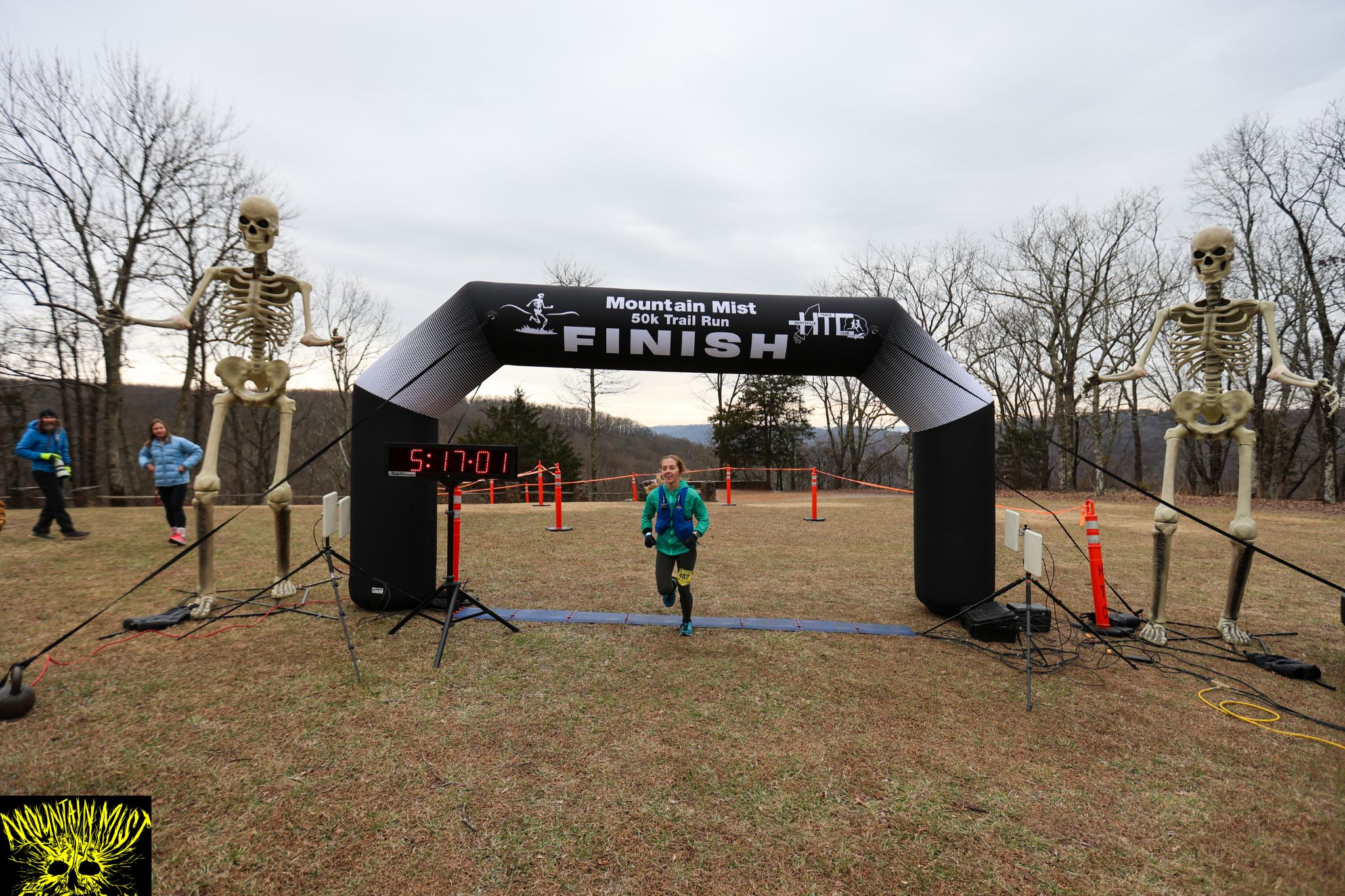
At the Mountain Mist 50K in Huntsville, Alabama, competitors faced frigid temperatures and frozen trails. The race saw 286 finishers within the 9.5-hour cutoff, illustrating how weather can impact not just performance but also mental fortitude. Winning times reveal tactical pacing—Gatlin Holland finished the men’s race in 4:00:41, clearly utilizing a strong early pace to withstand the cold conditions. This raises a pertinent discussion for ultrarunners: in adverse weather, could an aggressive start be beneficial for maintaining warmth and momentum? Following him, Max Simpson and Dylan Glass clocked 4:26:24 and 4:33:08, respectively. In the women’s division, Ruth Wamack completed the course in 5:16:59, demonstrating effective energy management despite the chill, with her competitors capturing podium spots at 5:40:38 and 6:00:38. This suggests that runners may wish to evaluate their nutrition strategies and gear choices to adapt to similar weather dynamics in future races.
Moving to the Golden Gate Trail Classic in San Francisco, California, the race featured both a 50-mile and a 50K component. The 50K drew 164 finishers, with Julie Mooney winning the women’s race in 5:13:06, suggesting she effectively paced her effort to sustain an optimal speed on the challenging terrain, likely adjusting for elevation changes and varying surface conditions. Noah Seto won the men’s event in 4:30:25; pacing tactics must account for the undulating hills of this iconic locale. Observing the performance of top finishers can provide insights into pacing strategies that balance speed with endurance management. For the 50-mile distance, Aiden Bohley exemplified pacing excellence with a time of 8:44:44, completing a distance over hilly terrain that requires not just fitness but strategic knowledge of caloric intake and hydration management throughout an extended race.
The Wilson Creek Frozen 50K gathered 82 participants in Idaho, challenging them with its course conditions. Anthony Jacobs secured first place in 4:21:51, improving on his prior finishes, which speaks to his learning from past experiences, honing both physical and mental strategies during the race. The second and third place finishers followed closely behind him, with times of 4:29:06 and 4:34:16 respectively. The women’s race also demonstrated the importance of strategy: Emily Soulek’s time of 5:33:53 placed her fifth overall, revealing how a strong finish can be achieved even when not leading the pack initially. Runners preparing for similar conditions should focus on how elevation and trail surface can alter pacing decisions and affect energy expenditure.
In Clearwater, Florida, the Clearwater Marathon & Running Festival hosted its 50K race amidst competitive conditions. The podium finishers in the women’s category were notably close; Kate Kornucik crossed the finish line at 4:25:24, only 46 seconds ahead of Kelly Duffy. This margin highlights the importance of finishing strategy—maintaining a strong pace up to the last mile can make a critical difference in ultra-distance events. On the men’s side, Duane Wesseman finished in a commendable 3:34:51, suggesting that he likely implemented precise pacing tactics while leveraging the flat terrains typical in Florida, showcasing the need for adjusted pacing strategies depending on race geography.
Across each event, the influence of weather on performance emerged as a clear theme, reinforcing the need for ultrarunners to prepare for a range of environmental conditions. Gear choices, particularly with respect to footwear and clothing suited for cold or wet conditions, should be prioritized in training and race-day gear selection. Moreover, insights from competitors who achieved podium finishes revolve around recognizing the race-specific nuances in trail running—gear weight, optimal pacing strategies, and nutrition to counteract fatigue and retain energy over long distances become integral parts of their preparation.
As advanced runners look forward to their upcoming races, whether seeking UTMB qualifications or aiming for personal bests, tactical insight can guide training. The underlying lesson from the recent races is clear: the most successful athletes utilize not just their physical training but also their experiences from past races to optimize their approach to pacing, nutrition, and mental endurance. Each decision, from the start line to the finish, contributes cumulatively to race-day performance. Therefore, the effective integration of training insights with situational race strategies will be crucial moving forward. A practical takeaway for runners focusing on mountain ultras is to continuously refine and adapt your pacing and hydration strategies based on race geography and current environmental conditions, ensuring that you are not only ready but strategically prepared for any race-day challenge.
