


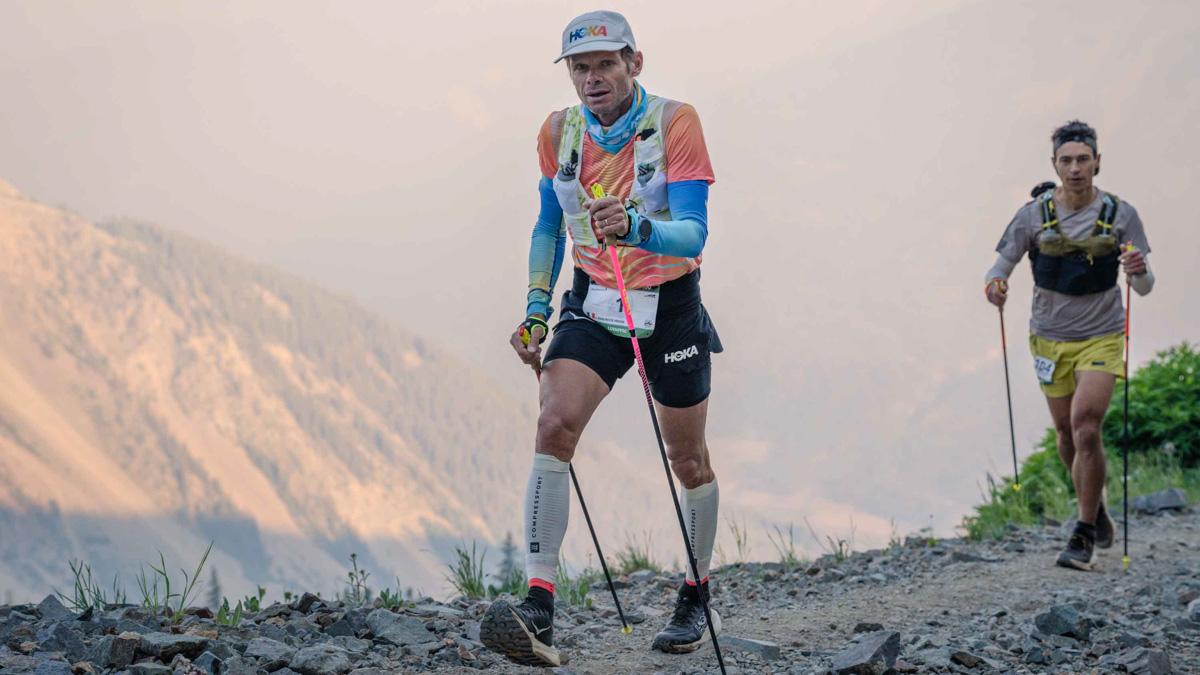
In the realm of trail running, particularly for experienced ultrarunners, understanding the nuances between different race courses and the gear required can significantly impact performance. As the summer 2025 racing season unfolded, two prominent events, the Hardrock 100 and the Western States 100, presented an insightful juxtaposition in course demands and shoe choices amidst the competitive landscape.
Both events require unique strategies that are influenced by elevation, terrain, and race profile. The Hardrock 100 is renowned for its rugged mountain trails, challenging runners with a grueling 102-mile loop around Colorado’s San Juan Mountains, which entails an elevation gain and loss exceeding 33,000 feet. The race’s technical nature, coupled with heights that reach over 14,000 feet, necessitates that participants select footwear that can provide adequate grip and stability while navigating its relentless climbs and descents. Conversely, the Western States 100 generally features less demanding elevation changes across smoother trails, inviting a faster cadence for competitors.
An analysis of the shoe choices at both of these major events revealed striking trends, notably the dominance of Hoka, particularly their Speedgoat line. Approximately 28% of participants in Hardrock opted for Hoka models, signaling that this brand not only dominates the trail running market but also offers footwear that meets the specific demands of both fast and technical courses. The Speedgoat shoes are known for their plush midsoles and robust outsoles, providing the balance needed to handle the diverse terrains typical of both events. The runners’ preferences showcased an inclination toward shoes that marry comfort with reliable traction, an essential consideration when maneuvering through unpredictable mountain terrains.
Interestingly, while Hoka’s prevalence was consistent, the next tier of brands revealed a more varied landscape. La Sportiva, with its focus on mountain footwear, secured the second highest share, attributing much of its success to innovative features designed to handle tougher environments, such as rock-shield protection and specialized rubber outsoles for grip on technical terrain. This brand’s offerings stand as a testament to the importance of selecting shoes that are engineered for performance in harsher conditions.
Salomon ranked third among the choices, with models that capably navigate the rough terrains of the Hardrock 100. Their reputation within the sport is grounded in their ability to deliver reliable performance in demanding environments. Altra and NNormal tied closely behind, reflecting a broader trend of diversifying shoe options in the trail running community; Altra’s zero-drop philosophy appeals to those who prioritize a natural running form, while NNormal has quickly made a name for itself with products designed for both efficiency and comfort over challenging distances.
Looking at specific shoe models, the analysis spotlighted some intriguing preferences. The Hoka Speedgoat line was the unequivocal leader, embraced by almost 16% of the racers—indicative of its established reputation as a versatile choice for various ultrarunning demands. The La Sportiva Prodigio Pro was also noteworthy, appreciated for its combination of cushioning and grip, necessary for the severe ascent and descent required in races like Hardrock. In a distinct move, the NNormal Kjerag was part of the equation, indicating that ultrarunners are beginning to experiment with lighter, less cushioned options even when tackling longer distances. This shift may reflect a strategic pivot among experienced runners towards optimizing speed while maintaining a balance with endurance.
Strategies for performance in these challenging contests extend beyond footwear; they encompass pacing, nutrition, and familiarity with the course. The Hardrock 100, with its notorious slower finish times, especially compared to the Western States, underscores the reality that preparation must be thorough—physical readiness coupled with tactical acumen can make the difference between a successful completion and a DNF. Even with dominating shoe choices, it is the synergy of footwear, nutrition, and psychological preparedness that ultimately defines success in such a taxing race format.
As ultrarunners plan their racing calendars, especially those eyeing prestigious races or UTMB qualifications, understanding the evolving landscape of gear, course nuances, and competitor strategies is paramount. Solidifying a diverse training regimen that incorporates various terrains and conditions, combined with an insightful consideration of choice of footwear, can enhance performance outcomes.
Ultimately, the key takeaway for seasoned ultrarunners is to remain adaptable in their approach to both gear selection and training strategies. With the market continually innovating, and courses evolving, staying informed about the latest trends and their practical implications is essential for achieving optimal performance in mountain ultras.
