


The latest race results reflect a dynamic landscape in the world of trail and ultrarunning, presenting insights that seasoned athletes can utilize in their training and planning for future events. This past weekend showcased a variety of terrains and distances, each offering athletes opportunities to refine their strategies and hone their skills.
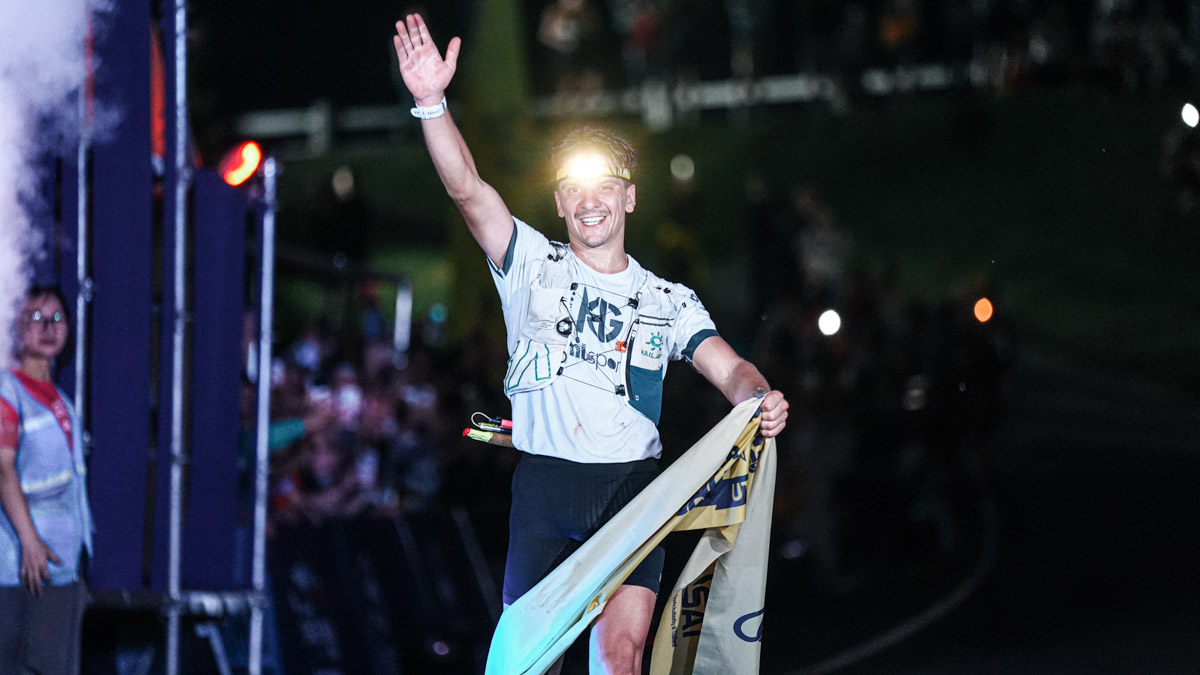
In Chiang Mai, Thailand, the Chiang Dao 160-mile race demonstrated the challenging nature of high-altitude courses with significant elevation gain, presenting a total ascent of 26,574 feet. Aleksei Beresnev claimed the men’s title, completing the grueling course in 21:14, a time that indicates not only endurance but effective pacing and hydration strategies that those preparing for similar events should analyze. His strong finish ahead of Jia-Ju Zhao and Masatoshi Obara—who clocked in at 21:40 and 21:58, respectively—highlights the importance of maintaining a steady pace, especially in races where fluctuating elevation can impact performance.
On the women’s side, Antonina Iushina took home her second consecutive victory, finishing nearly two hours ahead of second-place Careth Arnold. With a finishing time of 22:34, Iushina’s ability to navigate the course efficiently underscores the benefits of pre-race reconnaissance and mental preparation for long ultras, particularly in unpredictable mountain environments where familiarity with terrain can make a significant difference.
The Elephant 100 event, also held in Chiang Mai, featured its own set of tactical dynamics. In the men’s race, Miguel Arsénio established a solid lead early, finishing first in 9:14, illustrating the value of starting strong while maintaining energy reserves for the latter stages of the race. His competitors, including Kao Zhou and Dmitry Mityaev, both demonstrated the importance of pacing, with Mityaev managing to recover to claim third place despite a less favorable start. For those looking to optimize their race tactics, the Elephant 100 results indicate the merit of strategic race planning, how early positioning can provide a psychological advantage, and how crucial it is to adapt as the race progresses.
Women’s victor Hậu Hà emphasized local traditions by wearing a traditional hat across the finish line. Her swift finish in 10:43, particularly impressive given the mountainous terrain, reflects not only physical capability but also cultural pride—a powerful motivator that seasoned athletes can leverage to enhance their race experience.
Meanwhile, at the California International Marathon, known for its fast, downhill course, several athletes pushed the limits of Olympic trial qualifying. Christian Allen achieved a personal best of 2:09:57—a strong indicator of his preparation and the potential benefits of focusing on speedwork in tandem with endurance training. On the women’s side, Kodi Kleven’s 2:29:17 finish demonstrates the effectiveness of integrating various training modalities, such as tempo runs and hill workouts, to boost performance at different race types.
In New Zealand, Dan Jones secured his seventh Kepler Challenge victory, which is a testament to consistent training and an understanding of the race format and local terrain. His record-breaking time of 4:42 emphasizes the importance of maintaining a competitive edge through established training regimens tailored to the specific challenges of the race environment, in this case, technical descents and variable weather conditions.
Equally significant is the USATF Cross Country Championships that provided an avenue for athletes to qualify for the upcoming World Athletics Cross Country Championships. The course conditions, muddy and rugged, favored those with experience in adverse weather—a reminder of the unpredictable nature of trail running and the necessity for adaptable race strategies.
When considering new race launches, such as the Rothrock event joining the UTMB World Series, experienced runners should note the significance of incorporating these opportunities into their race calendars. Understanding the nuances of new courses, including potential elevation changes and technical sections, can provide a competitive edge during training cycles and race-day preparation.
Gear innovations also played a notable role in recent events, particularly in the development of lighter, more efficient footwear that enhances performance across varied terrains. The ongoing discussion around optimal gear weight should influence training decisions, where selecting equipment tailored for specific conditions can bolster both speed and injury mitigation.
For experienced trail and ultra runners, attending to hydration strategies and nutrition also emerged as key themes amid the competitive performances. Noting how top finishers manage their intake—both en route and in preparation—could offer valuable insights for adjusting personal hydration and nutrition plans, particularly during extended outings or high-intensity races.
In summary, a salient takeaway for ultrarunners preparing for mountain races is the importance of tailoring strategies to align with the unique demands of each event’s course profile. This includes refining pacing, gear selection, hydration, and nutrition plans based on observed performances of elite competitors, ensuring a comprehensive approach to race preparation that anticipates not just physical endurance but mental fortitude and adaptability.
