


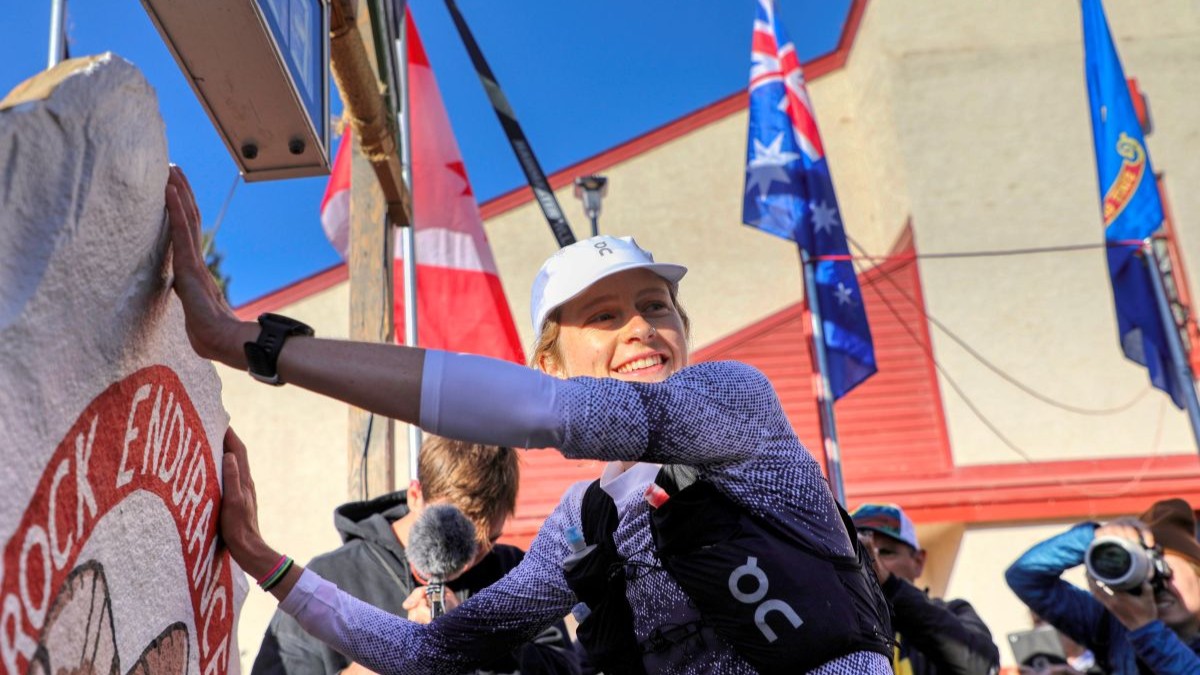
As the year winds down, enthusiasts of trail and ultrarunning find themselves reflecting on a season filled with remarkable performances and challenges. The rankings for the North American Ultrarunner of the Year (UROY), a process that has been ongoing for over two decades, are particularly insightful this year. With a notable increase in high-profile DNFs (Did Not Finish) among elite runners, discussions surrounding the metrics of performance evaluation have risen to the forefront.
This past year has been indicative of the rigorous demands placed on athletes in the sport, where the unpredictability of mountain terrain, weather conditions, and personal circumstances can impact race outcomes significantly. More often than not, a DNF carries weight in discussions of an athlete’s overall season performance, yet criteria for valuing these outcomes are subjective. Voters on the UROY ballot are tasked with striking a balance between celebrating achievements and acknowledging that not every race comes to a successful conclusion.
A recent example can be seen in the performances of Caleb Olson and Katie Schide, both of whom delivered impressive seasons, albeit with differing DNF records. Olson’s three wins in high-profile races such as Transgrancanaria and Western States showcased his ability to excel on competitive stages. However, his DNF at the Trail World Championships Long Trail informs a larger conversation about the variability of ultrarunning, especially as the demands of long-distance racing can affect even the most seasoned athletes. Schide, conversely, navigated her season without a DNF, which bolsters her standing in a year marked by uncertainty for many others.
The phenomenon of DNFs may also reflect broader trends in race dynamics. The increasingly competitive nature of prominent events, particularly UTMB and Western States, can lead to tactical decisions that prioritize long-term goals over individual race results. Understanding when to push through discomfort and when to conserve energy for future races becomes essential for athletes considering their overall rankings. The DNF at a significant race can be seen in this light—as part of a strategic assessment rather than purely a failure.
The number of athletes encountering early exits, such as multi-time UROY honoree Courtney Dauwalter and 2024 champion Hayden Hawks, emphasizes that even the best faces obstacles that can disrupt their race strategy. For runners prepping for similar mountain ultras, assessing performance over the entire season, rather than fixating on individual race outcomes, can provide a clearer picture of an athlete’s resilience and adaptability.
Innovation in gear and equipment continues to evolve, impacting performance metrics among ultrarunners. With an increasing weight of reliability and durability in gear choices, athletes are challenged to balance pack weight against necessary supplies for navigating uncertain conditions. Recent advancements in footgear, including more responsive cushioning and adaptive fit technologies, reflect a trend towards optimizing both comfort and speed. Choosing reliable equipment can minimize the chance of mechanical issues, thereby aiding in maintaining focus on pacing and race strategy.
Event organizers are also taking note of the evolving landscape. New race launches across diverse terrains introduce additional variables for athletes. For example, alterations in established courses to enhance safety or to better suit current participant capabilities influence tactical decisions that runners must consider in their preparations. Familiarity with emerging race paths, whether it’s a newly established ultra-marathon or a reconfigured classic, informs pacing strategies and hydration management, both critical for maintaining stamina in mountainous terrains.
Furthermore, the announcement of changes in qualification standards for esteemed races, particularly UTMB, invites discussion on how emerging athletes position themselves within the competitive field. The nuanced requirements for entry can force a recalibration of training and racing strategy for particular athletes, prompting a reevaluation of their seasonal priorities. Understanding how to qualify not only impacts participation in marquee events but can influence the trajectory of an athlete’s career based on their choice of races leading up to these benchmarks.
In analyzing the intersection of DNFs, gear innovations, course adjustments, and the competitive landscape, there lies an essential takeaway for serious mountaineering ultras: the necessity of strategy over sheer endurance. Crafting a race plan that encompasses pacing, recovery, and gear choices will inform not only race day performance but also longer-term athletic development. While passion for the sport fuels the desire to finish every race, it is ultimately the ability to adapt—whether through modifying tactics or acknowledging when to step back—that separates a good ultrarunner from a great one. Knowing when to press on or hold back is not just a matter of immediate race outcomes, but part of a broader strategy that influences one’s overall career in the sport.
