


In the nuanced realm of trail and ultrarunning, especially when preparing for challenging mountain races, athletes consistently seek informed strategies to optimize their performance. This month, experienced ultrarunner and coach Gabe Joyes offered substantial insights on various topics, catering specifically to those training for mountain ultras.
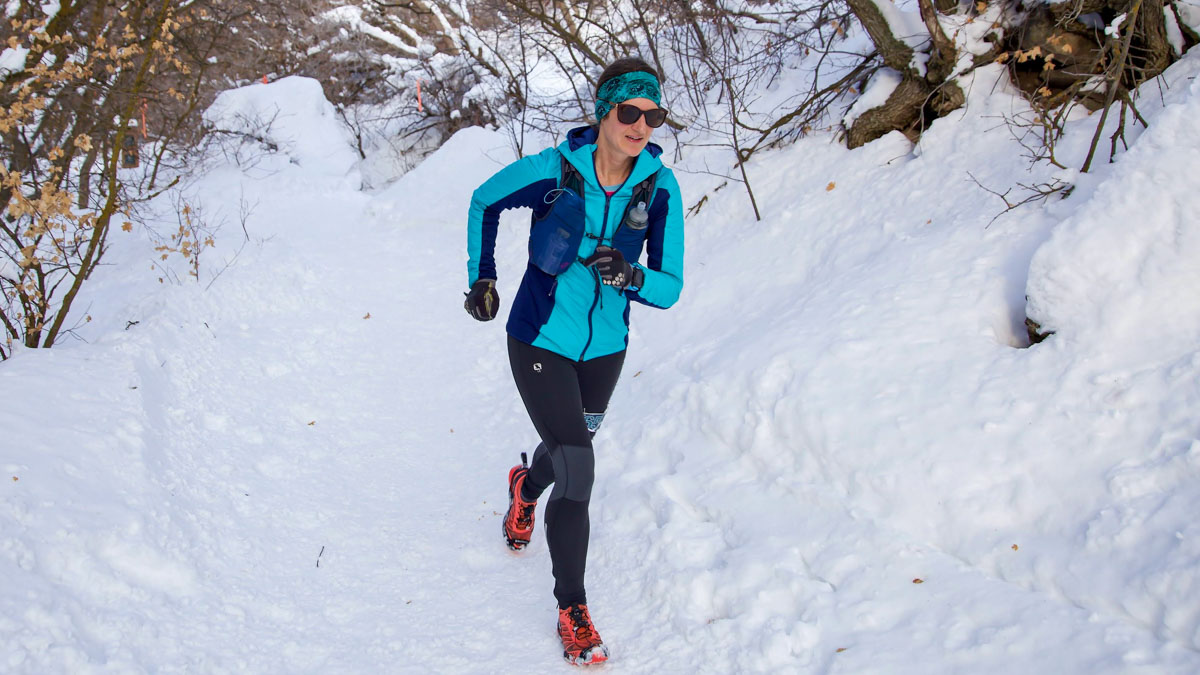
Cold weather can present a formidable challenge for runners, as the right clothing can significantly influence performance. Joyes emphasized the superiority of high-quality merino wool for layering, noting its insulating properties and moisture-wicking capabilities. While wool tends to be pricier, it often proves invaluable in maintaining warmth even when conditions become damp. It’s crucial to choose garments that fit well and perform effectively under varied conditions, as not all wool layers are created equal. Alongside wool, Joyes recommended polyester fleece, lauding its breathability and moisture management while remaining comfortable in cold weather. The caution around cotton is worth reiterating; it does little to help during cold-weather pursuits due to its moisture-retaining properties, which can lead to chafing and heat loss, ultimately detracting from race-day performance.
Strength training emerges as a key component in a well-rounded training plan for ultrarunners, and timing plays a pivotal role in maximizing its benefits. Joyes advised against scheduling strength workouts immediately before intense running days, as fatigue could impair subsequent performance. Instead, he suggested spreading the training load throughout the week, aligning strength sessions with easier runs or focusing on training days to bolster endurance and resilience without overburdening the body. Recognizing the strain of ultramarathons, athletes should consider pairing strength training with lighter running days to enhance muscle resilience while minimizing fatigue.
Tapering is a critical phase in race preparation, often misunderstood. For runners facing races midway through the week, Joyes recommended a precise approach. He advocated for a long run approximately 10 to 11 days before the race, allowing ample recovery time while ensuring the athlete maintains peak fitness. This strategy balances training stimulus with recovery, essential for avoiding excessive fatigue leading into race day. Understanding the physiological aspects underlying tapering can help runners maximize their training gains while navigating the challenges of competitive racing.
In terms of footwear, the debate around waterproof shoes is nuanced. While Gore-Tex shoes offer certain advantages in wet and cold conditions, Joyes pointed out their limitations. Specifically, waterproof membranes can trap moisture next to the foot, creating discomfort and potentially exacerbating foot issues. Therefore, runners must weigh the benefits against the realities of trail running, where water often finds its way into shoes from above. The use of high-quality socks, particularly merino wool, can further enhance comfort levels during wet conditions.
For seasoned ultrarunners, these insights not only highlight practical considerations for preparation but also reflect a thoughtful understanding of the challenges faced on race day. The importance of variety in training dynamics cannot be overstated, as it mitigates the risks of overuse injuries. Athletes who incorporate diverse terrains and workout intensities stand to gain significant advantages, reinforcing the age-old adage that variety is indeed the spice of life in training.
Ultimately, as ultrarunners hone their strategies for mountain races, they must remain attuned to their bodies’ responses to different training stimuli. Continuous self-assessment will be instrumental in adjusting plans to stay injury-free and maintain peak performance levels. A clear takeaway from this month’s discussion is to embrace the versatility in training—whether through clothing choices, strength training schedules, or tapering approaches—to fine-tune performance with an informed and strategic outlook.
