


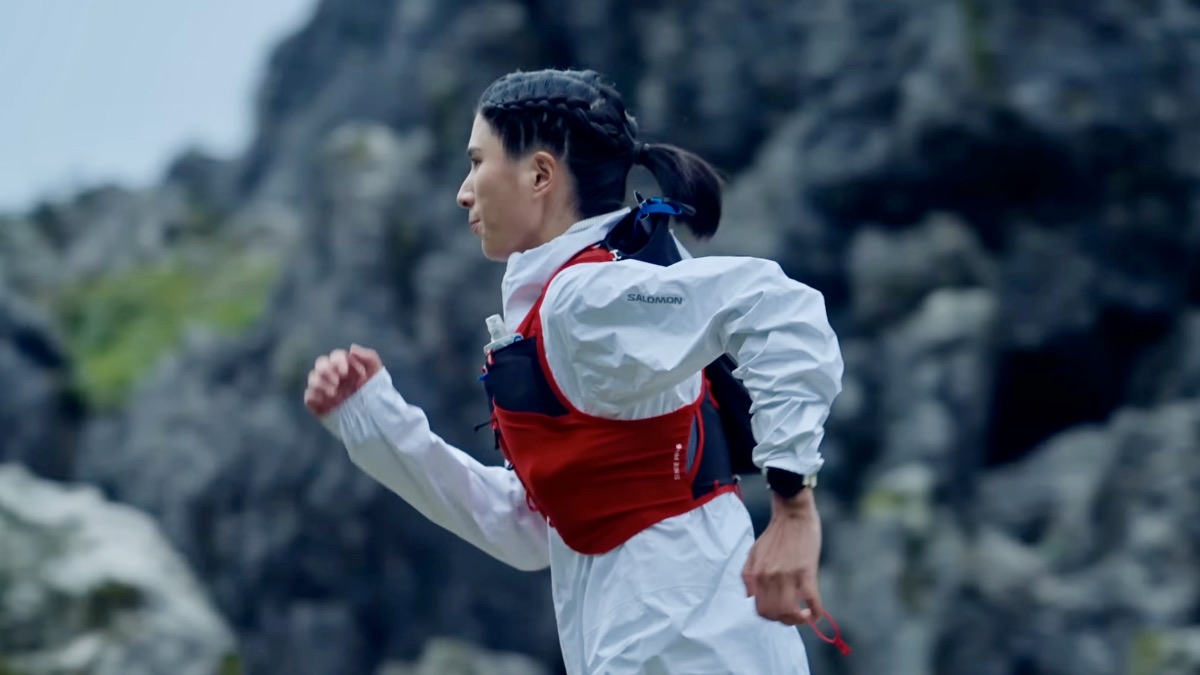
In the evolving landscape of trail running and ultrarunning, Miao Yao’s journey offers valuable insights into the mental and physical demands of the sport. A seasoned athlete with nearly a decade in competitive running, Yao’s career trajectory reflects the complexities that many experienced runners may encounter, particularly in balancing passion with the rigorous demands of competition. The recently released film “No Life Defined,” produced by Salomon, offers a nuanced exploration of Yao’s experiences and evolution as an athlete, shedding light on elements of performance that resonate deeply with serious runners.
Yao’s background is one that resonates with many elite athletes who have navigated the structured environment of state-sponsored sports in China. Initially demonstrating athletic promise in various disciplines, she was unable to sustain a career through the system until she shifted focus to trail running and ultrarunning. This pivot was not merely an escape but a calculated move that allowed her to embrace the sport with a “bounty hunter” mentality, racing almost every weekend and targeting podium finishes that would provide not just accolades but also financial support through sponsorships.
While her early racing strategy may have been driven by the ambition for immediate results, Yao’s experience is a testament to the pitfalls of over-racing — a strategy that can lead to burnout and injuries, as notably illustrated by her performance at the 2019 UTMB, where she faced vision issues that forced her to withdraw. Such experiences underscore the importance of recognizing when to step back. For seasoned ultrarunners, understanding one’s limits is crucial, especially in the context of training cycles that prioritize both intensity and recovery. Overextending oneself — be it through frequency of races or an unsustainable push for podium placements — can hinder long-term performance and mental resilience.
The challenges Yao faced during her hiatus from competition, which were further compounded by the global events of the COVID-19 pandemic, serve as a reminder that the journey of an athlete can be as much about recovery and re-energization as it is about racing. After this period, Yao rekindled her love for running, focusing on the intrinsic joys of the sport rather than external validations. Her renewed passion illustrates an important shift; experienced runners must periodically reassess their motivations for competing. This can foster a healthier approach to training, emphasizing quality over quantity, and joy over pressure.
Reentering competitive racing, Yao found herself achieving comparable success to her early career, yet with a new perspective. Her story can be instructive for ultrarunners at any level. The essence of competition can indeed be maintained while enjoying a more balanced approach to training and racing. Reflecting on race strategies, preparation may benefit from incorporating a greater emphasis on mental well-being alongside physical training. Engagement with the sport on a more personal level can lead to improved performance and satisfaction, which are critical for sustaining a long-term athletic career.
The film also sheds light on Yao’s life outside of racing, demonstrating the significance of familial support and community. The interplay of personal history and athletic identity can often inform how one approaches challenges. For experienced ultrarunners, this underscores the need to cultivate a supportive environment, whether through family, friends, or a running community, which can offer encouragement during tough training sessions or critical races.
Furthermore, the cinematography captures stunning visuals of Yao’s home and the varied terrains she navigates, serving as a reminder of the impact that environment has on training and racing. Terrain familiarity is crucial when preparing for mountain ultras, and runners should aim to incorporate diverse landscapes into their training regimens. Exploring a range of conditions and elevations can enhance adaptability and performance, helping runners strategize effectively for the unknowns encountered during races.
While Yao’s narrative is personal, the broader implications of her insights offer important tactical considerations. The evolution of her philosophy around running could inform how other experienced athletes might frame their races and training strategies. Learning to listen to one’s body, understanding when to race closely, and recognizing that anxiety-driven competition can detract from the primary joy of running are themes that resonate within the ultrarunning community.
As ultrarunners optimize their training plans, considering the insight from Yao’s journey provides a reflective lens through which they can evaluate their approach to racing. Developing a sustainable training regimen that incorporates ample recovery alongside targeted performance builds will ensure longevity in the sport. It reinforces that while results are important, the narrative one builds through the experience of running should also focus on personal satisfaction and well-being.
Ultimately, as you prepare for your next mountain ultra, keep in mind the importance of balance in your training approach. A focused celebration of both the rigors of competition and the intrinsic joys of running can lead to a more fulfilling athletic journey. Embrace each phase of your training, and let that shape your relationship with the sport, helping you find a personal definition of success in ultrarunning.
