


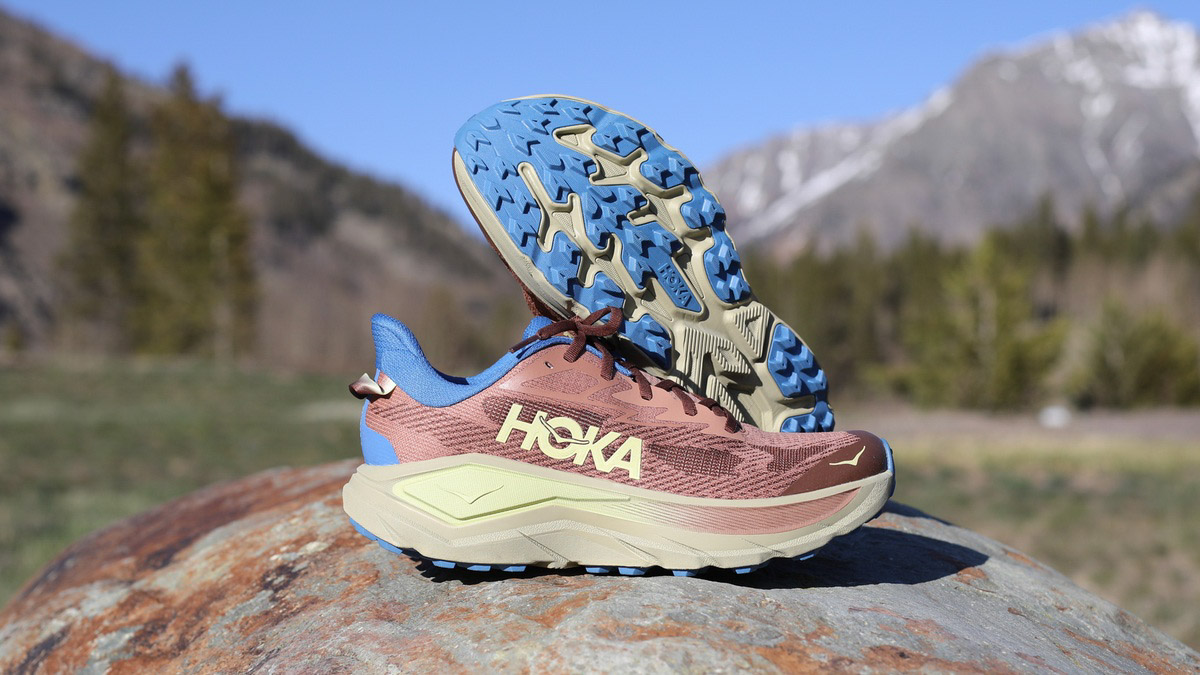
In the evolving sphere of trail running, particularly for those preparing for mountain races of varying distances, gear innovation plays a crucial role in performance and reliability. The Hoka Challenger 8, priced at $155, exemplifies this trend towards multifunctionality in footwear. With its roots in a well-established series of shoes designed for both roads and trails, the Challenger 8 brings forward notable enhancements that align well with the nuanced demands of experienced runners.
The most conspicuous updates in the Challenger 8 include an increase in cushioning, a refined outsole lug pattern, and modifications to its overall fit. Weighing in at a competitive 9.3 ounces for a men’s size 9, this shoe provides a combination of lightweight agility and sufficient stack height—42 millimeters in the heel for men and 39 millimeters for women. Its 8-millimeter drop serves to maintain comfort across diverse surfaces, making it versatile enough for mixed terrain training sessions or races, including gravel paths prevalent in mountain ultrarunning.
Through extensive testing over 160 miles across diverse landscapes—from high-elevation snowfields to muddy trails—the shoe demonstrated its adaptability. The newly designed upper features an engineered mesh that offers breathability and quick drying, essential for managing moisture in environments where submersion can occur. This feature is particularly valuable when navigating creeks or wet trails during training sessions. The secure fit of the upper ensures that runners can tackle both ascents and descents without concern for foot movement within the shoe, an important consideration when speed and stability are paramount on technical terrain.
However, while the Challenger 8 excels on non-technical trails and mixed surfaces, it may fall short in highly rugged conditions. Runners tackling steep, technical terrain may find that the shoe does not offer the level of traction or support required for intense mountain racing. It’s essential to match shoe choice with the specific conditions expected on race day—a consideration that should not be overlooked in ultrarunning strategies. Those accustomed to the varying challenges of races like UTMB or similar events might want to incorporate footwear with more aggressive traction systems when planning their race strategy, particularly on steep descents or loose rocky passages.
The midsole is another area of interest, featuring a plush, compression-molded EVA that offers a balance of softness that some experienced runners might appreciate, while others seeking a firmer ride may look elsewhere. The increase in heel stack height over previous models indicates a broader industry trend towards cushioning, which can be attractive for runners aiming to minimize impact fatigue over long distances. However, this feature is less relevant for those seeking responsive feedback during speed workouts. Runners must consider their individual preferences when deciding how much cushion they desire, especially when mixing in interval training tailored for long-distance events.
The outsole’s redesigned lug pattern, equipped with 4-millimeter lugs, ensures that the shoe performs adequately on multiple surfaces. This design is especially useful for transitions between asphalt and dirt or gravel, which often occur when accessing trailheads from urban environments. The gripping power it offers can provide reassurance for those racing in variable weather conditions, which are characteristic of high-mountain environments. However, careful evaluation is necessary for those who frequently run on packed snow or ice; the Challenger 8 may not deliver the traction needed in such cases, necessitating a secondary shoe option.
After comprehensive testing, including scenarios demanding agility over treacherous rocky paths encountered in locations like the San Juan Mountains, it has become clear that while the Challenger 8 serves well for easier trails and all-around training, racers should acknowledge its limitations. Competitive ultrarunners may find that pairing their racing strategy with specific footwear tailored to technical terrains—like the Brooks Cascadia or the Hoka Speedgoat options mentioned—will deliver the necessary performance enhancements.
As the landscape of mountain ultrarunning continues to evolve, with new races entering the calendar and established events adjusting courses to meet growing participant needs, it’s critical to remain informed on gear developments that can influence race day performance. The Hoka Challenger 8 stands as a testament to the importance of finding balance in versatility and specialization.
In preparing for mountainous ultras, one imperative takeaway emerges: an optimal approach to footwear selection should encompass both an understanding of individual running style and the specific demands of the race terrain to aim for optimal performance and comfort throughout the race.
