


In the realm of ultrarunning, the fourth weekend of January showcases several noteworthy events across North America, providing seasoned trail and ultrarunners an opportunity to assess new courses, race conditions, and the latest innovations that could influence performance in mountain races. UltraRunning Magazine’s calendar features 26 scheduled ultramarathons during this period, with particular emphasis on races that challenge runners both mentally and physically.
Notably, the 22nd annual Calico Trail Run in Barstow, California, offers a demanding 50k course that traverses the Mojave Desert and the Calico Mountains. This race not only tests endurance but also presents a fascinating historical context, as it begins in a meticulously preserved silver mining town. With nearly 4,000 feet of elevation gain over rocky trails and jeep roads, racers need to effectively manage their pacing and nutrition from the outset, particularly considering the desert climate can affect hydration strategies significantly. The terrain, characterized by rugged canyons, requires runners to engage their technical skills and decision-making in real-time, navigating changes in footing while conserving energy for the final stretches.
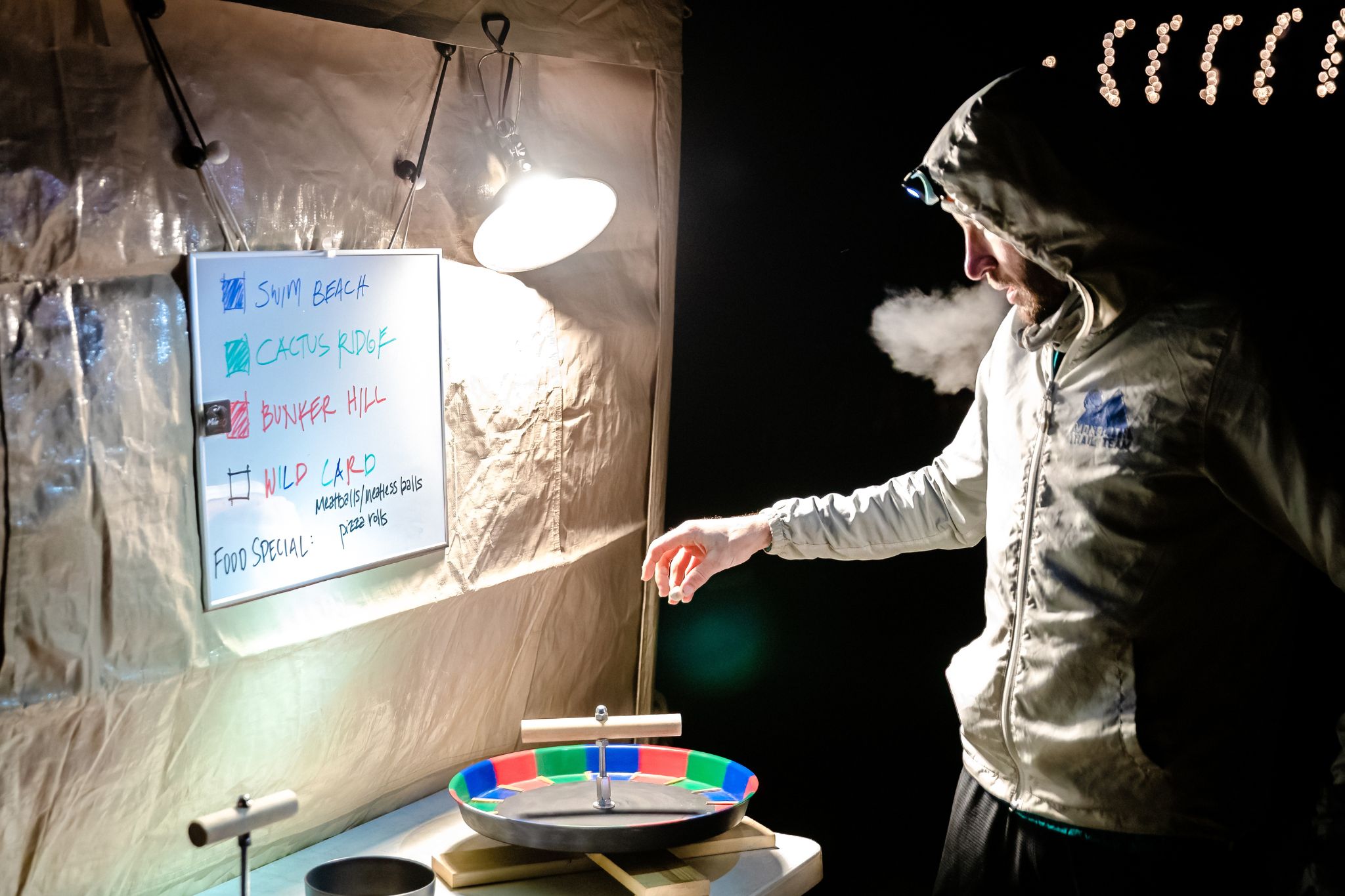
Meanwhile, in Lawrence, Kansas, runners will find a unique tactical environment at the Cactus Roulette Endurance Event. Its fixed-time format demands a flexible mindset and strategic loop selection based on the element of chance—a color-coded roulette wheel determines the next segment of the course. For experienced runners, this presents an opportunity to analyze the varying technical demands of the three loop options, balancing effort against the risk of fatigue when tackling challenging segments, particularly the more strenuous 3.6-mile loop. Runners must prepare not only physically but also mentally, as adaptability could play a crucial role in optimizing performance throughout the race.
The Mountain Mist 50K, taking place in Huntsville, Alabama, is recognized within the ultrarunning community for its rugged and technical demands. Considered one of the premier winter ultramarathons, it features approximately 4,000 feet of climbing and descents. Understanding the local terrain’s unpredictability is essential for strategy formulation. Athletes should expect rocky conditions, potential weather fluctuations, and creek crossings. Experience with similar topography can assist in avoiding common pitfalls such as improper pacing, particularly early on when enthusiasm can lead to overexertion. Athletes would also benefit from employing a cautious approach to hydration and caloric intake along this arduous course.
On the eastern front, the annual Ted Corbitt 50K in New York honors a significant figure in long-distance running while testing participants’ endurance on a point-to-point road course. With start times ranging from 4 a.m. to 6 a.m., participants are given the opportunity to maximize their performance relative to environmental conditions. Knowledge of the optimal pacing strategy over the course, alongside awareness of the aid stations along the route, can provide significant advantages, allowing runners to modulate their effort and recover effectively at key points.
Over in Santiago, Mexico, the Ultra Trail Oso Negro presents potentially transformational terrain for seasoned trail runners. Offering both 50k and 100k options, this race features significant elevation changes exceeding 5,000 meters. Experience in high-elevation conditions will be indispensable, as runners must be prepared for not only the physical demands but also the mental fortitude required to maintain concentration over a prolonged period. Courses like this do not just challenge endurance but also permit runners to gauge their strategic response to fatigue. Runners would benefit from closely monitoring their pacing strategies, especially in the initial stages when the adrenaline is high, and they are likely to push themselves harder.
As we witness these varied events, it is critical to acknowledge the recent advancements in gear that could influence reliability and weight. Innovations in shoes emphasizing grip and cushioning can be particularly relevant given the rocky and technical courses encountered in many of these races. Runners should keep current with the latest developments in materials and technology to ensure their gear is optimized for performance.
The overarching takeaway for experienced ultrarunners is to systematically review course metrics and assess personal performance strategies during these early-season races. Effective pacing and a tailored nutrition plan are essential, particularly in challenging environments such as the deserts of California and the mountains of Alabama and Mexico. Flexibility within one’s strategy, as demonstrated by formats like the Cactus Roulette, highlights the importance of adaptability in ultrarunning. Runners should consistently reflect on their physical responses to different conditions and courses, refining their approach as they prepare for even more demanding events in the future.
