


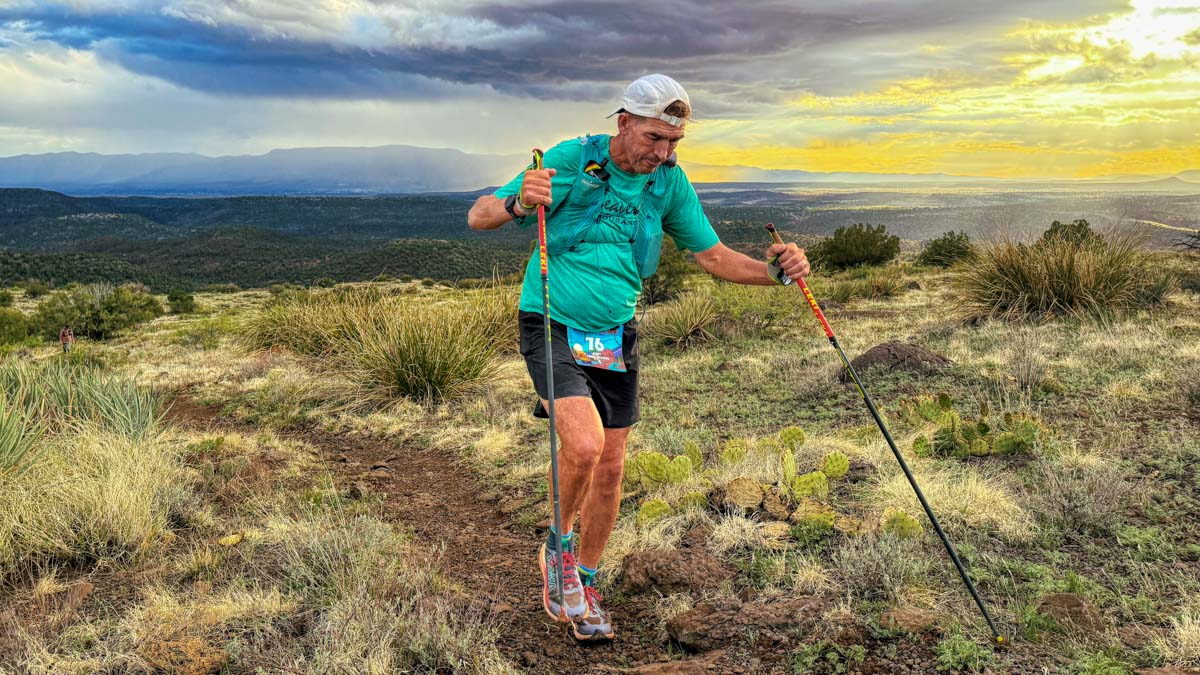
As experienced trail and ultrarunners gear up for races, especially those focusing on achieving UTMB qualifications, staying updated on course changes, gear innovations, and performance insights becomes imperative for all. The current competitive landscape is shaped by the relentless pursuit of both personal and course records, prompting a closer examination of what lies ahead in 2026 and beyond.
Recent updates from the UTMB organization indicate a shift in race course layouts aimed at integrating more technical sections to better reflect the diverse challenges that characterize mountain racing. Runners can expect scrupulous course markings, placed strategically to guide participants through potentially perilous terrain, reducing reliance on traditional navigation methods. Always factor in these modifications during training sessions, allowing for adaptability in pacing and energy expenditure as they test their responses to varying degrees of technical difficulty.
Emerging race launches are also contributing to the scene, offering unique challenges that draw the attention of ultrarunners drawn to tougher terrains and demanding conditions. New events like the recently announced “Mountain Ends Ultra” promise to push the boundaries of traditional racing formats. Enthusiasts are advised to incorporate specific trainings that mirror the unique demands of these races, including steep ascents, rapid descents, and even the psychological stress of navigating unfamiliar courses.
In parallel, advancements in gear technology are permeating the market, significantly impacting runner performance. Notably, shoe innovations are testing the endurance and reliability threshold, focusing on reducing weight while enhancing grip and cushioning. For runners accustomed to carrying their gear over long distances, integrating these revolutionary products into training regimens can serve as a fundamental strategy. The introduction of textiles that optimize moisture-wicking and temperature regulation further adds a layer of comfort and physiological resilience, enabling runners to maintain peak performance during demanding events.
Recent record-breaking performances have illuminated tactical decision-making, offering sharper insights into pacing and fuel strategies. An analysis of competitor nutrition strategies reveals that successful athletes often blend macronutrient availability with tailored caloric intake based on race intensity and environmental factors. Distance-specific fueling, including carbohydrate gels and electrolyte-rich beverages, becomes essential, particularly in long formats where endurance curves fluctuate.
Moreover, adaptability in pacing has emerged as an indispensable tool for measuring success. Competitors shifting their cadence in response to terrain fluctuations, while calculating energy expenditure based on elevation changes, have demonstrated enhanced endurance. Recognizing that extreme altitudes can tax the cardiovascular system compels ultrarunners to train in similar elevations when possible. Incorporating intermittent bursts of speed during these sessions can also prepare athletes for race conditions where managing heart rate becomes vital.
As community plays a significant role in reinforcing the ultrarunner’s experience, established connections with fellow athletes foster not only emotional support but also knowledge-sharing regarding election plans and race insights. A collaborative atmosphere nurtures innovation and personal growth, emphasizing the importance of community dynamics in optimizing performance.
In summary, as the landscape of trail and ultrarunning evolves, integrating course updates, embracing gear innovations, and adopting strategic pacing and nutrition plans can fortify an athlete’s approach to mountain ultras. Staying informed and adaptable is essential, as both tactical training and community involvement contribute significantly to preparing for the complexities of the sport. For serious ultrarunners, the fundamental takeaway is to cultivate flexibility in training plans, allowing for consistent adaptation to evolving race demands while leveraging the insights gained from community experiences.
