


The 2025 World Mountain and Trail Running Championships, set to take place September 25-28 in Canfranc, Spain, is poised to be a seminal event for experienced trail and ultrarunners. After a two-year hiatus, the championships will feature various high-stakes races, specifically the Long Trail men’s race, which covers an 81-kilometer (50.3 miles) loop characterized by its significant elevation increases and technical challenges. Competitors must prepare for an approximate 5,078-meter (16,660 feet) ascent, with the course peak reaching 2,572 meters (8,438 feet) on La Moleta. The terrain will demand not just speed, but the ability to navigate steep and technical sections, and athletes will need to strategically manage their energy throughout the course.
The Long Trail race, taking place on September 27, will likely require elite male competitors around 8.5 hours to complete, while the top female runners may take closer to 10 hours. This expectation highlights the need for meticulous pacing strategies. Runners will be forced to gauge their effort levels carefully during the significant climbs—especially the prominent ascent of roughly 1,500 meters (5,000 feet) to the summit of La Moleta—balancing speed against the risk of burnout.
In preparation for such demanding conditions, athletes should carefully consider their gear choices. The innovative designs in trail running shoes could play a crucial role in enhancing grip and comfort, essential factors when navigating rocky or muddy terrain. Lightweight, breathable fabrics are critical for clothing layers, given the variable weather conditions often found in mountainous regions. Options that wick moisture and offer sun protection will be invaluable.
Nutrition strategies must also be refined for this event. With a race of such duration, the need for efficient energy sources is paramount. Solid and liquid fuel options should be planned meticulously, aligning with each athlete’s digestion preferences and timing strategies. Familiarizing oneself with various gels, bars, and electrolyte mixes in training can yield insights into what will sustain energy levels without causing gastrointestinal distress.
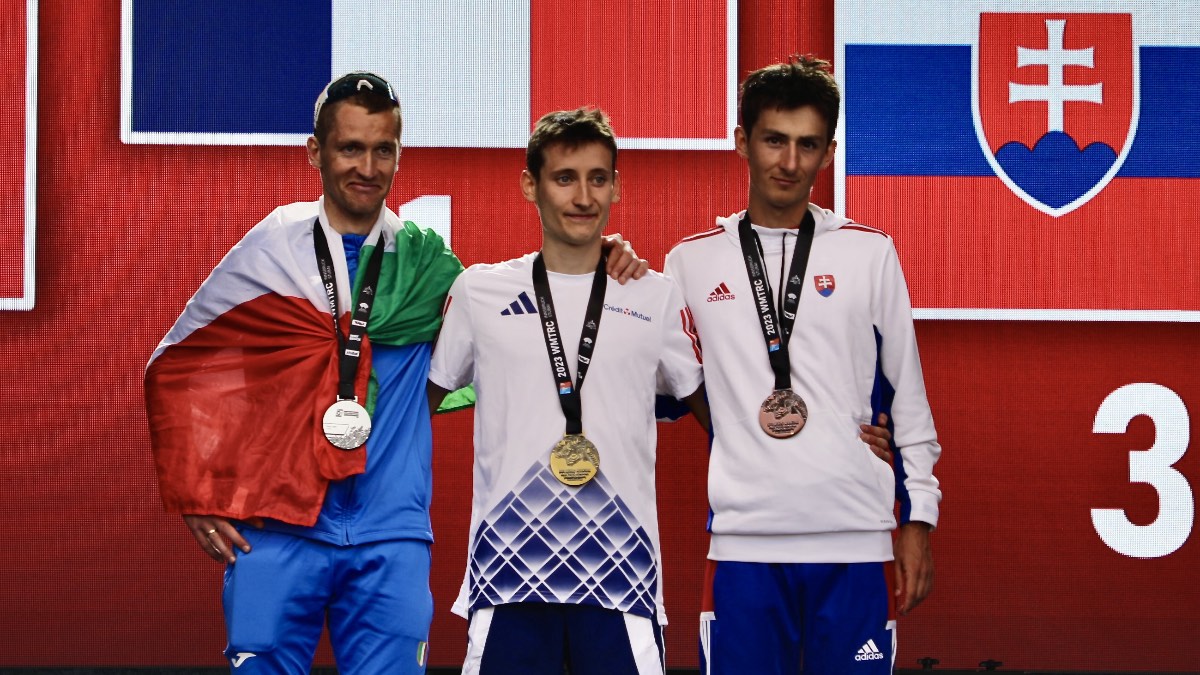
The competition landscape has several noteworthy athletes poised to impact the race outcome. Reigning champion Benjamin Roubiol (France) enters as a formidable competitor, having proven his prowess through past performances at international championships. His previous experience at this level can translate into effective race strategies, particularly in the final stretches when fatigue sets in. Andreas Reiterer (Italy) aims to build upon his past podium finishes, applying his experience to leverage any insights from recent races. Jim Walmsley (U.S.), one of the sport’s most recognized figures, returns with a strong resume and recent win at the OCC, indicating he’s in competitive form. These athletes have varied yet complementary tactical approaches, notably regarding pacing during critical ascent phases and recovery during descents.
The fact that 195 runners from 56 countries will participate emphasizes the global appeal of the event. This broad representation creates a dynamic race atmosphere, presenting both opportunities for personal record-setting experiences and challenges related to pacing against diverse competitors. The international field assures that strategies employed by leaders in the race will be scrutinized and absorbed by those in pursuit, which could impact future race tactics across mountain ultras.
For those looking to secure qualifying positions for prestigious races like the UTMB in the future, performances in these championships could be telling. The nature of qualifications is evolving, and being among the top finishers in such a high-caliber event provides significant leverage for entry into other elite competitions.
On a broader horizon, athletes should keep an eye on emerging trail running events and innovations within the sport. Tracks that test endurance and skill in mountainous terrain are increasingly popular, emphasizing the rising demand for diverse trail ultrarunning experiences. Learning to adapt training folios to account for different elevations, technical sections, and environmental variables will benefit any seasoned ultrarunner.
As you set your sights on the upcoming World Mountain and Trail Running Championships or similar ambitious races, remember the critical combination of strategic pacing and flexibility to react to race dynamics. The ability to adjust quickly based on weather, energy levels, and competitor moves can significantly influence race day outcomes. Engaging in both physical and mental preparation tailored to these variables will prove invaluable as the race day approaches.
Ultimately, the key takeaway for serious runners preparing for mountain ultras lies in the nuanced understanding of performance variables. Improvements in gear, refining nutrition strategies, and leveraging past race insights can dramatically elevate an athlete’s competitive edge in mountain endurance events. Recognizing that preparation extends beyond trails and into the elements will set the stage for enhanced race performance.
