


For experienced trail and ultrarunners gearing up for mountain races, the right gear is critical to maximizing performance, especially as winter training ramps up. During the colder months, finding appropriate running pants that accommodate longer inseams without sacrificing functionality is a common challenge for taller male athletes. Accordingly, we have assessed several brands that cater specifically to this need, ensuring they can support demanding training routines while allowing for versatility in varied conditions.
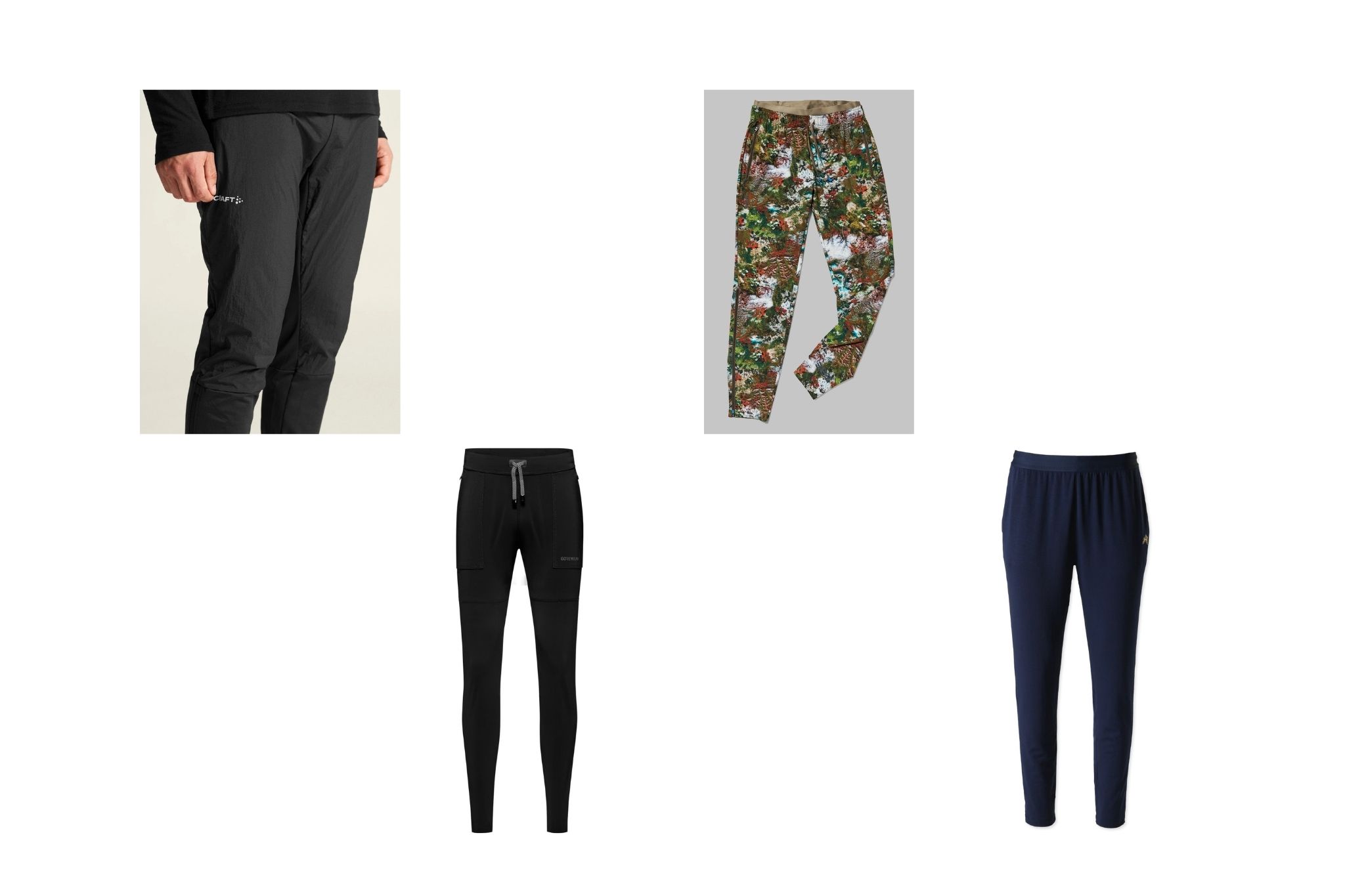
When navigating winter training plans, comfort and performance converge in various styles, and attention to fabric and fit can elevate the experience. For instance, the Janji Atlas Multi Pant offers a thoughtful design for those over 6 feet tall, with a spec inseam of 31 inches, proven effective through rigorous testing in high-intensity environments. Made from a blend of 77% recycled nylon and 23% spandex, these pants deliver both stretch and lightweight comfort, making them suitable for a range of activities from speed work on colder days to more leisurely trails. Their impressive drying capabilities and PFC-free C0-DWR finish offer effective moisture management, essential for maintaining warmth without excess weight. The well-thought-out functionality includes generous zippers extending nearly to the knee, facilitating easy donning over footwear, while a comprehensive pocket system provides ample storage for essentials.
Similarly, Tracksmith’s Session Pants target high-mileage, performance-focused training sessions. With a spec inseam of 31.25 inches, they feature a moisture-wicking fabric that combines tencel, polyester, and nylon, resulting in a luxurious feel against the skin. Notably, the inclusion of Nilit cooling fiber technology aids thermoregulation for those pushing their limits during intense efforts. The comfortable cut, which tapers below the knee, accommodates high-intensity movements while allowing mobility during long runs. As these pants are likely to remain on post-training, they merge seamlessly between workout and casual settings, adding practicality to high-performance gear.
For those whose training often includes demanding track sessions, the Gorewear Everyday Track Pants present another strong contender. Featuring a slightly longer inseam of 33 inches, these pants emphasize a balance between flexibility and weather resistance. Made from a lightweight blend of recycled polyamide and elastane, they promise breathability and a full range of motion. Their slim fit enhances aerodynamics while preserving a level of comfort that supports layering over shorts when temperatures drop. However, the absence of calf zippers might present challenges when changing post-workout or during transitional periods on race day, indicating a compromise that runners should consider based on their needs.
When extreme cold becomes a factor, the Craft SubZ Light Running Pants emerge as an optimal choice for those facing frigid conditions. They have the longest inseam at 32.5 inches in the reviewed group, presenting a rugged option designed for high exposure to cold climates. Their dual-layer fabric incorporates a wind and water-repellent exterior, providing substantial insulation essential for winter training. Critical for ultrarunners is the fit that accommodates layering without sacrificing mobility. Generously long zippers also facilitate easy adjustments pre- and post-run, making them a reliable option for technical high-altitude training.
As the ultrarunning scene evolves, it is increasingly important that athletes consider how gear modifications can influence race day performance. With innovations focusing on moisture management, fabric durability, and functionality, these pants offer tailored solutions catering to a range of training environments and personal preferences. Each option brings specific advantages that can suit varied strategies on race day—high-intensity intervals, gradual long runs, or even casual recovery days.
In the context of mountain ultrarunning, where environmental challenges and endurance demands intersect, the decision to invest in technical apparel can play a profound role in overall performance. The adaptability of training wear translates into race day effectiveness, particularly in mountainous terrains where conditions can shift unexpectedly. Ensuring that gear choices align with training style—not just aesthetics—can greatly impact comfort, performance, and recovery.
Ultimately, the key takeaway is to prioritize the integration of well-designed running pants that fit your specific needs—balancing inseam, weather resistance, and functionality. Focus on gear that enhances your body’s performance in diverse conditions while allowing for smooth transitions throughout the various stages of training and competition. Prioritizing this tactical approach can help refine your preparation, optimizing the reliability and comfort you need to tackle any mountain race.
