


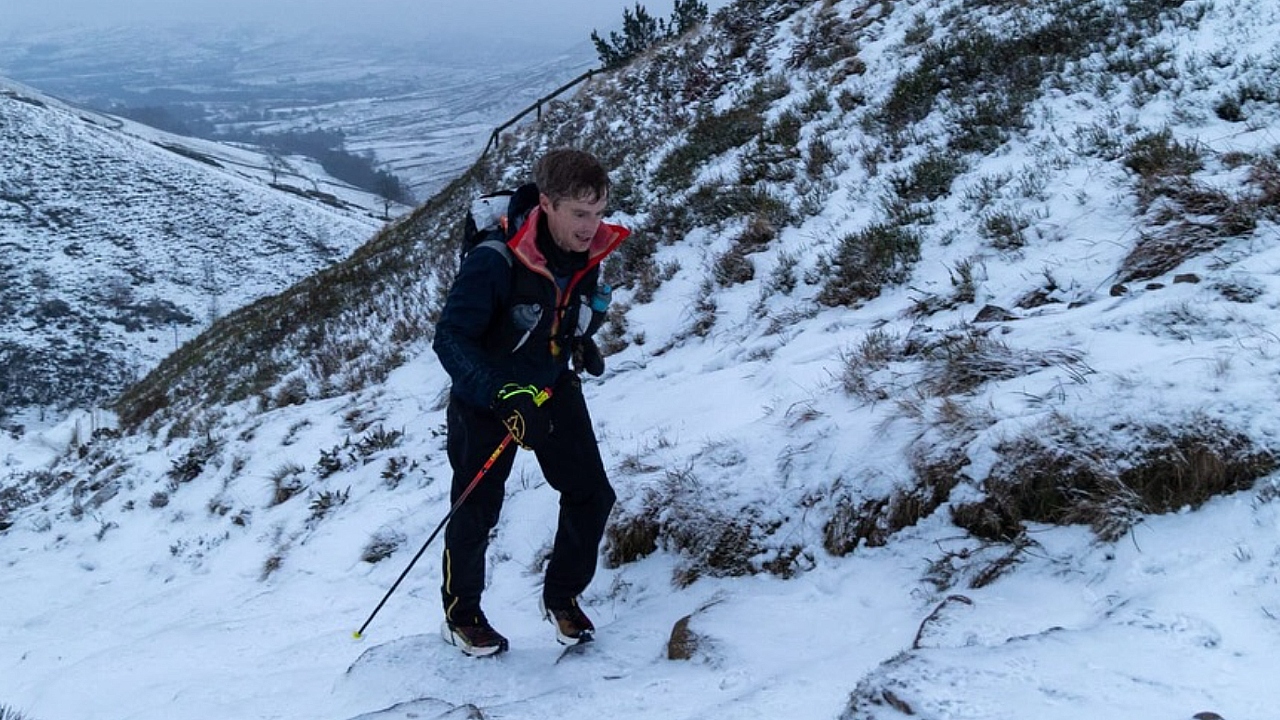
The Montane Winter Spine Race continues to assert its reputation as one of the most challenging ultra-distance events, with recent turmoil during the race illustrating the unpredictable nature of racing in severe winter conditions. Held over a daunting 268 miles along the Pennine Way, this year’s edition commenced under a blanket of snow and ice, significantly increasing the difficulty for both seasoned veterans and ambitious newcomers.
Weather conditions are a critical factor in the performance and planning for any ultra, particularly in mountain races, where snow and ice can completely alter a course’s dynamics. On the Sunday start, participants were met with extreme cold conditions that had gripped the UK, only to be met later that evening by a thaw that resulted in treacherous, slippery terrain. Understanding how to adapt to rapidly changing weather is vital for ultrarunners as it directly influences pacing strategies, elevation gain management, and overall race tactics.
High-profile retirements within the first 24 hours—most notably those of John Kelly and Chris Cope—speak to the rigorous demands of this race. Kelly, a proven competitor with a fast known time for the Pennine Way and past victor of the Spine Race in 2020, found himself unable to navigate the course effectively despite being in contention at the first checkpoint. In challenging and unpredictable circumstances, even the most prepared athletes must weigh their options and make informed decisions about their ability to continue. This situation highlights the importance of developing not just physical endurance, but also mental resilience and situational awareness.
On the women’s front, the absence of two-time winner Claire Bannwarth left Alice Kershaw as a leading contender. Kershaw had consistently performed well in shorter Spine races but faced the realities of a longer ultra at Hebden, where she ultimately withdrew. This serves as a reminder for ultrarunners to evaluate their previous experiences critically. The transition from shorter races to ultra distances entails significant strategic adjustments, particularly concerning nutrition management, pacing, and recovery strategies.
As resorts to withdrawals reflect harsh realities, the performance of Eugeni Roselló Solé stands out as exemplary. His ability to complete the Hawes checkpoint in 25 hours and 25 minutes demonstrates not only speed but also an adeptness for navigating difficult weather and ground conditions. Understanding how to optimize one’s energy expenditure on technical terrain becomes crucial in such events. Additionally, Roselló Solé was not alone at the front; his pacing strategy and race knowledge may serve as a blueprint for others aiming for high placement. Monitoring competitors and adjusting one’s strategy based on their performance while simultaneously evaluating personal limitations can yield insights into race dynamics and group tactics.
Engaging with the competition also requires acknowledging the variability from year to year. Each iteration of a race like the Winter Spine introduces unique challenges that experienced runners must carefully consider. Notably, Sebastien Raichon’s position within the elite pack emphasizes the need for continual assessment of one’s standing relative to peers. Staying in close contact with top runners can allow for a tactical advantage during critical sections of the race, whether through drafting, sharing information about course conditions, or simply maintaining pace.
With the spine of this event serving as both a test of physical prowess and mental fortitude, it is essential for athletes to cultivate race strategies that encompass not only how they might perform individually but also how they fit into the broader competitive landscape. The ability to pivot based on situational demands, such as responding to adverse weather or assessing one’s hydration and nutrition needs, can significantly influence finishing positions and overall experience.
As competitive mountain ultras continue to evolve, the importance of preparation—both physical and strategic—cannot be overstated. The takeaways from races like the Winter Spine emphasize the need for adaptive strategies. As runners gear up for new races, whether they seek UTMB qualification or smaller ultras, persistent evaluation of both internal and external variables will serve as a cornerstone of a successful race strategy. Understanding the terrain, weather, and competition will allow ultrarunners to refine their approach and ultimately enhance their performance.
