


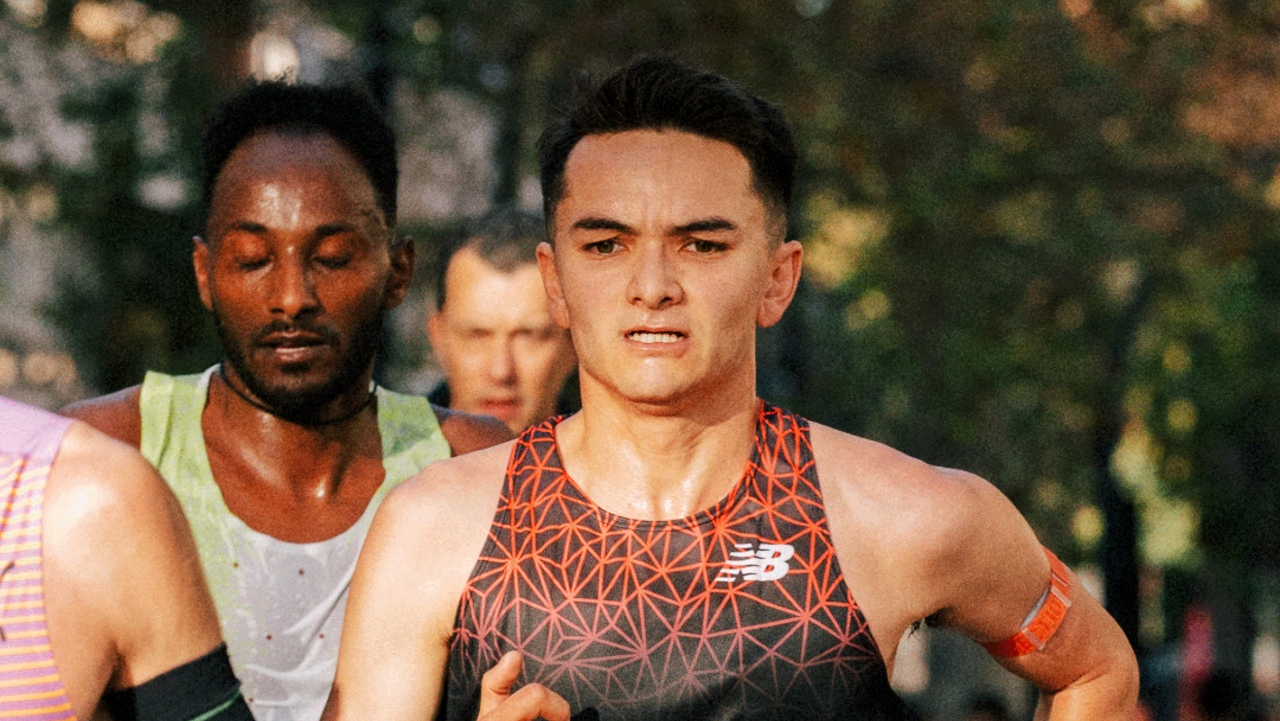
In the world of trail and ultra-running, the recent performance of Alex Yee at the Valencia Marathon offers insightful lessons in pacing strategies and the psychological aspects of distance running that are often overlooked, particularly for those preparing for mountain races. Yee, an established Olympic triathlon champion, showcased not just his remarkable athletic ability but a refined tactical approach that can be instructive for seasoned ultrarunners.
Yee’s journey to the Valencia Marathon was marked by a well-documented preparation process, encapsulated in his YouTube series ‘Vamos’. Leading up to the race, he carefully outlined his goals, emerging from a respectable 14th place finish at the London Marathon with a time of 2:11:08—a solid benchmark for his first marathon. This preliminary exposure allowed him to systematically assess his capabilities, preparing his mind and body for the next level of competition.
Arriving in Valencia, Yee clocked an impressive 2:06:38, finishing seventh overall and establishing himself as the second-fastest British marathon runner in history, trailing only Sir Mo Farah. While flat road races like Valencia differ from mountain courses in terms of terrain, Yee’s tactical decisions underscore the importance of making calculated pacing choices during competition. Early in the race, he made a strategic decision to bridge the gap to the third pacing group targeting a 63-minute half marathon split. This early risk paid off, demonstrating the principle of running within a suitable pack to leverage shared pushing for pacing. The lesson here for ultrarunners is clear: judiciously entering an appropriate group can significantly conserve energy for the latter stages of any race.
As Yee positioned himself among the competitors, he reflected on both the psychological benefits of being in that group and the importance of self-confidence in maintaining pace. He noted that the act of bridging that gap instilled a belief that propelled him forward. This aspect speaks to the mental framework necessary for ultrarunning—understanding one’s limits while challenging them can lead to breakthroughs in performance. This is particularly relevant in mountainous terrains, where mental fatigue can easily seep in, hampering pace and performance.
Moreover, Yee’s approach emphasized a nuanced pacing strategy, illustrated through his decision to focus on negative splitting during the race. Negative splitting—running the second half of the race faster than the first—is an effective tactic in ultrarunning that can yield significant benefits, especially in mountain races where terrain variations can alter energy expenditures drastically. By maintaining energy in the earlier stages of the race, runners can avoid the trap of overexertion, allowing a final push that could capitalize on any waning competitors.
The narrative of Yee’s race also highlights the pleasure derived from engaging fully in the competition. He expressed a sense of enjoyment and excitement, allowing him to perform well under pressure. For ultrarunners preparing for races that will test both physical endurance and mental fortitude, cultivating a similar mindset can be crucial. The unpredictability of trail races, with their technical ascents and descents, means that maintaining a positive outlook, even when fatigue sets in, could influence race-day outcomes favorably.
Yee’s finish was marked by visible joy and an emotional release as he crossed the line, which speaks to the importance of connection and support from fellow competitors and family. While trail racing can often feel isolating, especially in long, tough events, keeping a strong support system and using encouragement from others can enhance both the racing experience and performance.
Ultimately, the sophisticated strategies employed by Alex Yee in his marathon performance envelope significant insights that ultrarunners can incorporate into their training and racing methodologies. Understanding the pacing dynamics, mental challenges, and group strategies can become essential tools for navigating the complexities of mountain races. As such, the key takeaway for serious ultrarunners is to embrace the duality of stress and enjoyment in the sport; pushing boundaries while allowing the inherent joy of racing to enhance performance in challenging terrains is vital for long-term success.
