


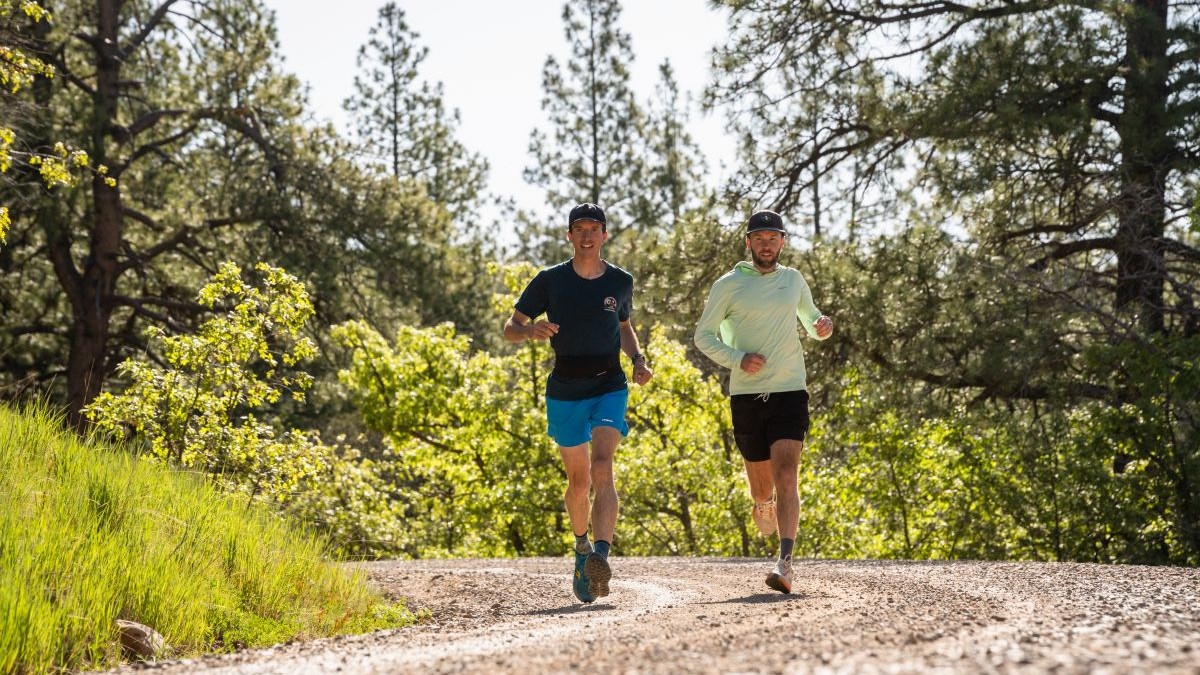
In the evolving landscape of mountain ultras, the demand for versatile footwear that bridges the gap between road and trail functionality has never been greater. For experienced trail and ultrarunners, the ability to traverse multiple surfaces efficiently is critical, especially given the increasing popularity of mixed-terrain races like UTMB and its qualification events. Recent reviews of road-to-trail shoes highlight options that cater to these demands, balancing comfort, responsiveness, and traction.
As mountain races become more competitive, with athletes consistently pushing boundaries in both performance and innovation, staying updated on gear can be a decisive factor in race preparation. Many runners are gravitating towards models that feature improved midsole foams for enhanced energy return. For instance, the Nike Pegasus Trail 5 exemplifies how a well-balanced road-to-trail shoe can offer substantial cushioning during long runs without sacrificing performance during quicker efforts. The ReactX foam utilized in this model improves comfort on long, arduous stretches, especially for those tackling mountainous terrains at varying paces.
Recent insights indicate that while some runners prefer traditional trail shoes for their grips and lugs, increasingly, the line between road-worthy and trail-specific designs is blurring. This is evident in models like the Altra Mont Blanc Carbon, which leverages a carbon plate and a lightweight design to cater to the needs of runners navigating tough trails, without the heavy design typically associated with dedicated trail shoes. Such innovations also allow for a quicker transition between surfaces, catering to the varied terrain of mountain courses that require both agility and support.
Looking at performance metrics, our understanding of optimal stack heights and drop remains crucial. Runners are recognizing that not only does the shoe’s cushioning affect comfort over long durations, but also its structural design influences heel-to-toe transition and overall energy efficiency while tackling ascents and descents. Those with forefoot or midfoot striking mechanics may benefit more from shoes with lower or even zero drops, fostering a more natural running gait, particularly during technical descents.
Athletes preparing for events like the UTMB must also contend with unpredictable weather conditions. Shoes that handle wet or muddy trails effectively are essential, and models equipped with advanced grip technologies in their outsole designs have become prevalent. This adaptability is especially important for maintaining pace when trail conditions fluctuate unexpectedly, impacting both performance and safety on descents.
The incorporation of lighter materials into shoe designs is becoming a new standard, addressing the demands of ultrarunners seeking to minimize fatigue over extended distances. Shoes such as the Brooks Cascadia 19 and Hoka Torrent 4 demonstrate how strategic reductions in weight can retain sturdiness and traction, allowing runners to maintain stability without unnecessary burden.
As race strategies evolve, there is growing emphasis on the importance of proper shoe selection correlating with pacing decisions. High-performing models allow for speedier sections during mixed-terrain segments, while still providing adequate support in lower-grip areas. Experienced athletes are developing individualized strategies based on their gear decisions, recognizing that even minor fluctuations in weight and grip can significantly affect finishing times in competitive mountain races.
The increasing variety of races, including newly launched events in unexplored territories, further informs gear choices. Knowledge of local terrain and conditions becomes critical, as specific shoes may yield better results based on the unique challenges presented in different locations. This understanding enhances overall race preparation, ensuring athletes select footwear tailored to environmental and elevation challenges they might face.
Ultimately, as runners set their sights on the new mountain racing season, understanding the nuanced interactions between footwear choice, race strategy, and terrain will remain paramount. The key takeaway is to select shoes that not only meet the demands of various surfaces encountered in training and races but also align with personal gait mechanics and preferences. This will facilitate optimal performance, helping to navigate the increasingly competitive landscape of mountain ultras effectively.
