


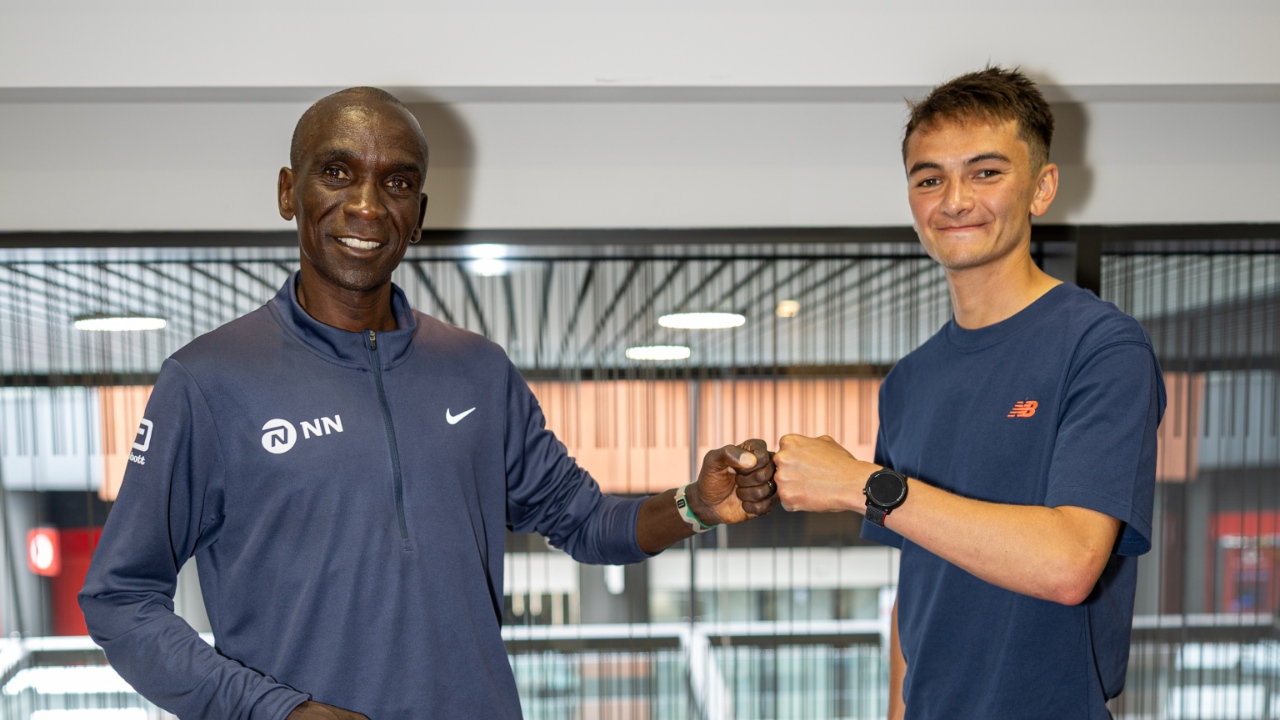
The upcoming Valencia Marathon on December 7th is generating interest within the running community, particularly due to the participation of Olympic triathlon champion Alex Yee. Known for his remarkable debut in the marathon at the London event, where he completed the course in 2:11:08, Yee has indicated he expects to improve significantly upon this time. He has learned various lessons from his first race over the marathon distance that will be applicable as he prepares for Valencia. The characteristics of the course—including its flat terrain and cooler climate—are advantageous for those aiming to achieve personal bests. The course itself is noted for being conducive to fast times, which positions Yee favorably.
Yee’s training strategy has recently adapted, as he incorporates both the marathon and half marathon into his schedule. This preparation in Valencia aligns with his desire to optimize his performance, potentially seeking to replicate a strong negative split—a tactic that can enhance endurance and mental fortitude during races. His aim to reach a halfway position similar to what he achieved in London suggests a thoughtful approach to race pacing, prioritizing consistency and efficiency over the entire distance. With an eye on improving his pace, Yee’s goals might resonate with seasoned ultrarunners who equally understand the importance of split times and energy management in lengthy events, whether they be marathons or ultra-distances.
While Yee shines a light on marathon training, his background offers insights into cross-disciplinary endurance athletics. After a period of engagement primarily in triathlons, he remains committed to being adaptable in his training. This year serves as a lighter yet significant preparation phase before intensifying his focus on triathlon as he sets his sights on the LA 2028 Olympic Games. The decision to occasionally shift focus from marathon goals back to triathlon fuels discussions around multi-discipline training, particularly relevant for runners who also engage in trail and ultra events. The importance of maintaining versatility cannot be overlooked, especially for athletes considering an array of competitive formats.
The potential for Yee to pursue a marathon qualification for the British team at the World Athletics Championship in 2029 not only reflects personal ambition but also highlights changes in competitive landscapes. As a serious trail or ultra runner, the evolution of the marathon and its integration within broader athletic pursuits may be worth noting. Adaptability in training methods, along with varying race distances, often leads to improved efficiency across disciplines.
Athletes routinely face evolving contingency plans as they advance their careers, and Yee’s layered training approach reflects a pragmatic perspective toward performance enhancement. With the experience of racing both on road and trail, Yee’s strategic insights can translate into the mountains, where technical skills and pacing play critical roles in performance.
With the historical context of record-breaking performances in ultra races and the increasing number of events being sanctioned for high-level competition, such as UTMB qualification updates, it’s essential for athletes to remain aware of their positioning in relation to course conditions. Terrain management, nutrition strategies, and gear choices become pivotal, especially as new equipment options are continually innovated within the industry. Lightweight gear that maintains reliability while offering performance benefits is particularly vital, as the mountain environment can challenge even the best-laid plans.
As advancements in the industry emerge, experienced ultrarunners should approach gear selection holistically—taking into account not just weight but also durability and the specific demands of the race terrain. The interplay between the choice of materials, pack weight, and the specific context of the course can affect runners’ reliability and overall comfort during competitions.
Athlete insights often reveal the strategic nature of pacing and race execution; for instance, Yee’s reflections on negative splits serve as an excellent reminder that maintaining awareness of one’s energy levels throughout a race can significantly impact end results. This understanding is critical for seasoned trail any ultrarunners, particularly in long-distance events where terrain varies and conservation of energy is paramount.
In preparation for serious mountain ultras, whether road or trail, athletes should remain cognizant of their training modalities and race day strategies. Different environments will necessitate tailored approaches to hydration, nutrition, and pace management.
As runners aspire to push their limits, the key takeaway remains clear: focus on consistent pacing, embrace versatility in training, and remain open to the insights provided by athletes from diverse disciplines. This adaptability can foster greater performance not just in marathons but across a range of ultramarathon events that demand a high level of endurance and acute situational awareness, irrespective of the distances or terrains tackled.
