


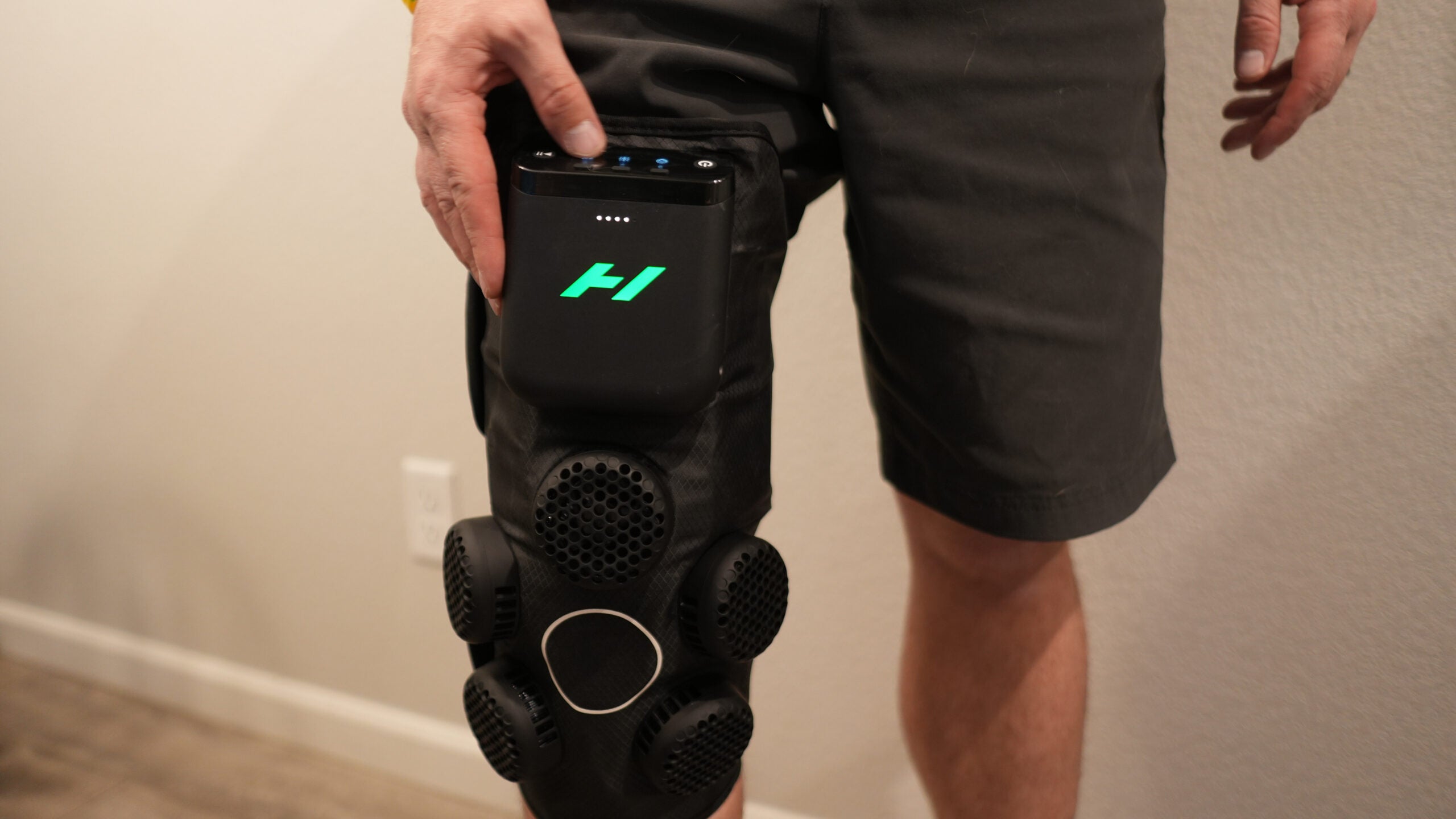
Endurance athletics is inherently about resilience, both in mind and body. The pursuit often includes navigating the thin line between pushing our limits and respecting our physiological constraints. A powerful tool in this journey is the Hyperice X2 Knee therapy device, which I recently integrated into my routine as I prepared for an ultramarathon.
As experienced athletes know, persistent injuries can feel like unwelcome companions. My journey has been marked by the wear and tear typical of those who engage in repetitive movements over years, together with the added physical demands of increased training mileage. When my knee, a product of both chronic overuse and sporadic intensity, began to flare up, I knew it was a signal to take action—both in managing discomfort and optimizing recovery.
The Hyperice X2 Knee offers a multi-faceted approach to recovery, combining targeted compression, heating, and cooling functionalities. At a glance, it appears deceptively simple: charge it, wrap it around your knee, and let it do the work. But as I discovered, it becomes far more valuable when viewed through the lens of endurance training’s nuances.
Many athletes understand the importance of temperature in recovery. Whether it’s the soothing heat that loosens tight muscles or the refreshing contrast of cold that reduces inflammation, temperature control plays a critical role in our recovery arsenal. The X2 excels in this area, swiftly reaching temperatures that genuinely offer relief, not merely a placeholder for real recovery. This responsiveness to varying needs elevates the experience from a basic recovery tool to a proactive asset in an athlete’s routine.
What impressed me most was not just the immediacy of the temperature and compression working together but rather how they influenced my overall training rhythm. The ritual of slipping into the device after a long run became a reaffirmation of my efforts—a moment overlapping physical recovery with mental clarity. It allowed me to shift focus, connecting the visual memory of my run with the tactile relief I was feeling at that moment. This psychological aspect is frequently overlooked, yet it’s vital for anyone engaged in the rigors of endurance sports.
It’s crucial to appreciate the dynamics of recovery when dissecting performance. Efficient recovery doesn’t merely help us avoid injury; it propels us to perform better. During the preparation for long events, each training session is designed not only to push boundaries but also to teach our bodies how to adapt to stress. Utilizing the X2 Knee device within this framework added a layer of intentionality to my recovery strategy. It wasn’t just about what I could endure on the road but also what I could facilitate at home in optimizing my next session.
Resistance confronts us in various forms, whether it’s the mental dialogue during a steep climb or the physical challenge of training after a long day. For me, using the Hyperice X2 became a reminder that performance is not linear. Sometimes, mastering the art of checking in with ourselves—recognizing when to push and when to prioritize recovery—is essential. This balance between effort and rest is where athletes often refine their resilience.
Yet, like many other valuable tools, the device has its quirks. The bulkiness and audible fans may distract during downtime, particularly when trying to enjoy quieter moments while recovering. But discomfort isn’t unfamiliar territory for endurance athletes. We learn to compartmentalize; small distractions are part of a larger goal that demands our full attention and commitment.
What the X2 ultimately represents is not just a physical tool but a mental prompt for sustained commitment towards recovery, especially as we continue to chase our goals. Adopting a mindset of proactive recovery rather than reactive maintenance can significantly shift our approach to training. The integration of tools like the Hyperice X2 into our routines underscores the importance of being adaptable, a skill paramount to endurance athletes.
By consistently experiencing the benefits of this device, my mindset shifted. Rather than viewing recovery as something secondary, it was reframed as foundational. The cumulative effects of a supportive recovery regimen could preemptively impact my training volume and overall performance. As an athlete, fostering that growth mentality is what keeps us moving forward, whether we face challenging health adaptations or pursue ambitious goals.
In the world of endurance sports, we are often faced with the undeniable truth of our physical limitations. However, the takeaway from this experience is straightforward yet profound: embracing recovery as an integral part of your training discourse is essential for lasting resilience. The journey is not always about speed or distance; it’s equally about understanding our bodies, reinvesting in ourselves, and building a more resilient foundation for the challenges ahead.
