


As seasoned endurance athletes, we thrive on our ability to push limits, recalibrating our goals as we navigate the complex landscape of training and performance. Yet, for many, an unexpected adversary—long COVID—has emerged, reshaping how they approach both their physical and mental resilience. The challenges posed by long COVID are not merely a hurdle; they invite us to rethink our relationship with endurance and performance in profound ways.
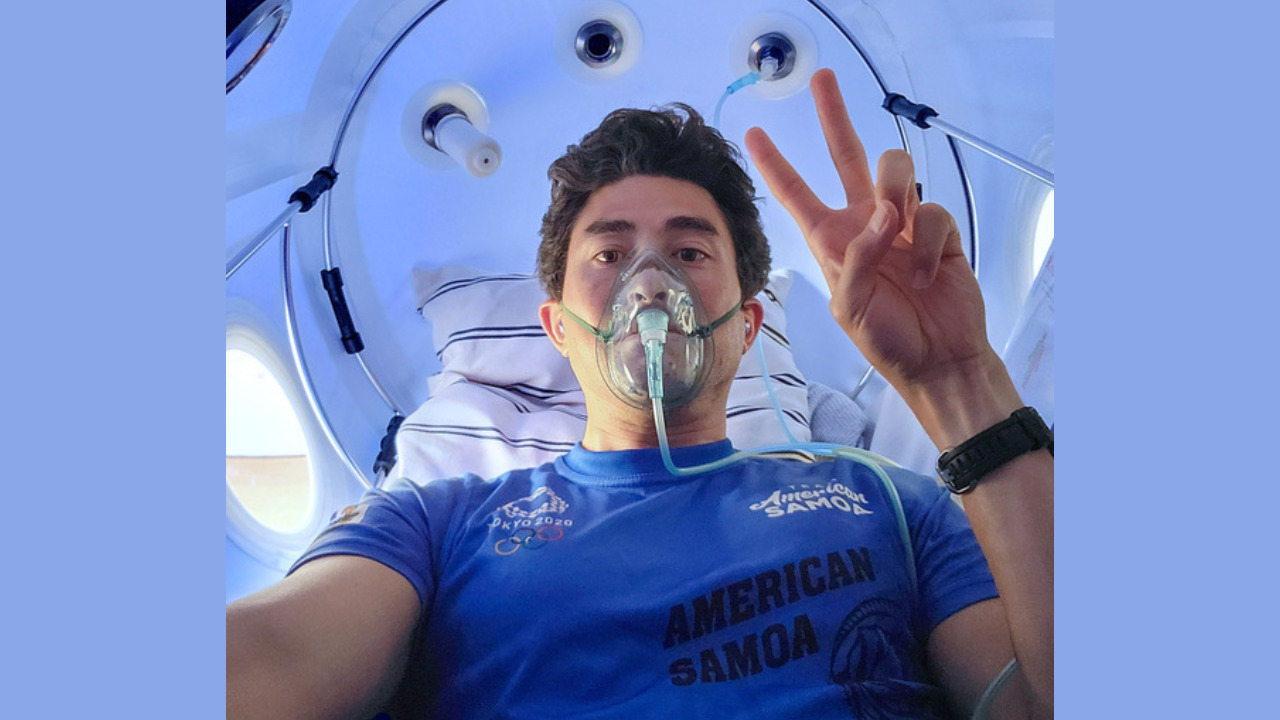
Consider the experiences of athletes like Jordan Mann, who found himself struggling to complete runs he once viewed as routine. It’s easy to dismiss this as mere disappointment, but at its core, it reflects a fundamental aspect of endurance—understanding our limits and adapting to them. Even as Mann battled through the initial acute phase of COVID-19, he faced a different kind of challenge in the aftermath: understanding and reconciling the dissonance between his expectations and his current capabilities.
Long COVID manifests in a spectrum ranging from mild fatigue to debilitating symptoms that can persist long after the virus has cleared. This shifted landscape serves as a reminder that our bodies, no matter how finely tuned, are susceptible to the vagaries of health. The experience of grappling with long COVID has exposed many athletes to feelings of frustration as they grapple with shattered expectations tied to competition and training. Yet this journey is not just about physical limitations; it reveals the mental tenacity required to navigate an uncertain path forward.
For athletes accustomed to intense training regimens, the prospect of resting during illness can feel counterintuitive. The discipline and work ethic ingrained in us can often push us to ignore signals that our bodies need time to heal. This presents a poignant lesson about pacing, extending it not just to our physical exertion but to our recovery. The urgency to return to form must be tempered by an understanding of our current state and the conditions demanding our attention.
Drew Hunter’s story underscores this complexity. Faced with performance downturns and financial pressures, he exemplifies the duality many athletes confront: the desire to push through and the necessity to listen. In moments like these, resilience is tested not just in the form of grit, but also in the willingness to adapt. The wait for recovery can feel interminable, and the emotional toll can be heavy. Nevertheless, it is within this discomfort that the seeds of growth are nurtured, often demanding a reconsideration of how we define success.
As research continues to illuminate the physiological impacts of long COVID—how it can compromise VO2 max and lung function—it challenges the very foundations of endurance athletics. This change compels a nuanced approach to training. As we face these new benchmarks, it becomes essential to recalibrate our understanding of fitness, allowing for the possibility that recovery may unfold in unexpected ways. The revelations coming from studies of endurance athletes recovering from COVID-19 point to a vital reality: those invested in rigorous training may be among the first to notice subtle shifts in their bodies’ responses.
This is a call to embrace a more holistic view of endurance, where maintenance and self-care are equally as important as performance. Investing in community, whether by sharing experiences or gaining collective insight into recovery strategies, can foster both support and strength among peers. This collective effort not only helps individuals to reconnect with their training but also reinforces the bonds that define our relationships with the sport. In difficult times, the recognition that others share the same challenges can be a powerful motivating force.
As we continue to navigate this evolving landscape, an honest takeaway emerges: long-distance endurance is not merely a function of physical capability, but a testament to mental resilience. Embracing the uncertainty of recovery and allowing ourselves to redefine our relationship with training can pave the way for renewed clarity and purpose. Endurance is not just about racing against the clock; it is about learning to race against ourselves, understanding the beauty of pacing in every aspect of our journey, including the paths of challenge and healing.
In the end, as you prepare for your next long session, carry this thought with you: it’s not about conquering every moment; it’s about being present in every moment. Listen closely to what your body communicates—sometimes, the most significant growth accompanies the slowest steps forward.
