


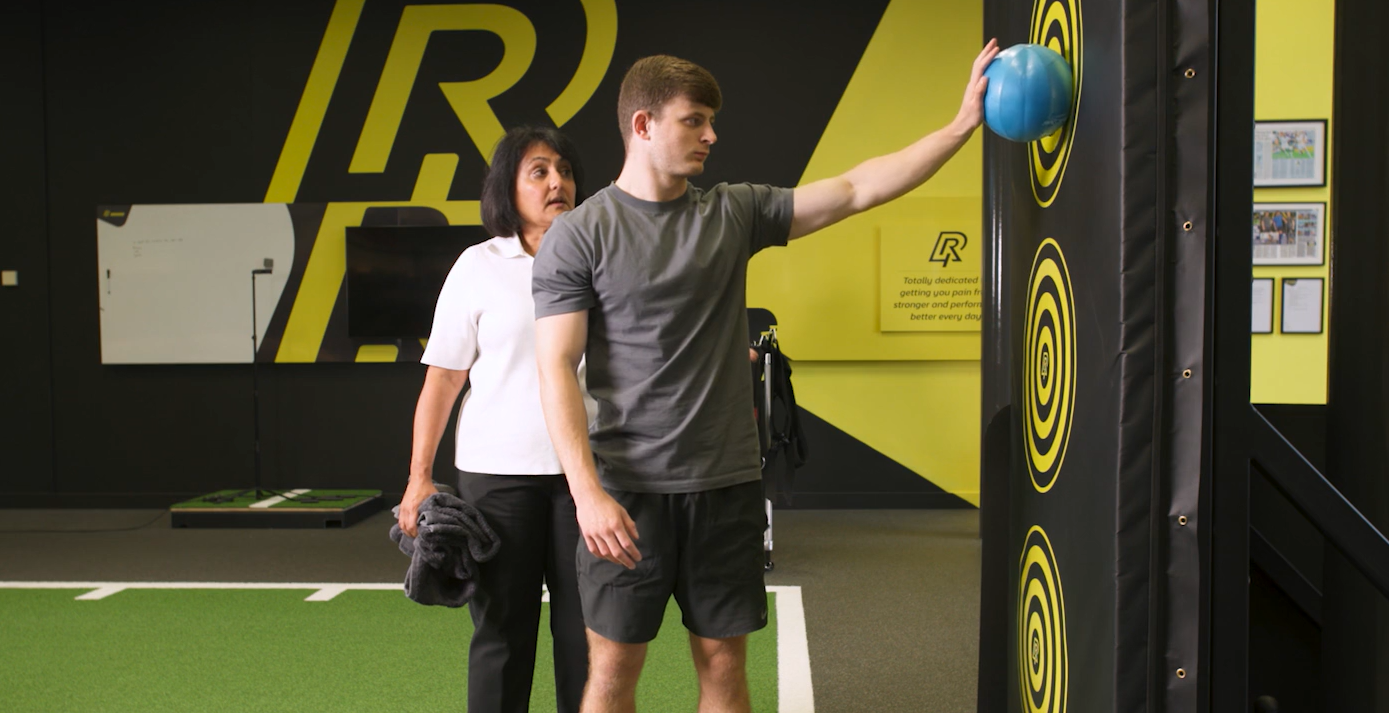
In the realm of endurance sports, particularly for athletes committed to long-duration efforts in challenging conditions, the mid-stage of rehabilitation can be a pivotal point that influences overall performance. This stage is a balance of fostering recovery while enhancing functional capacity. After enduring the initial phases of injury management, you are now at a stage where the need to prepare your body for the demands of competitive environments is paramount. This requires not only physical rehabilitation but a nuanced understanding of how to integrate training adaptations into your routine.
As you transition from basic movement restoration to integrating functional strength, the focus shifts to exercises that closely mimic the physiological requirements of your sport. In the context of shoulder rehabilitation—though seemingly specific—the principles resonate deeply with endurance athletes, particularly those engaged in activities requiring upper body engagement. This includes adjustments in rotator cuff training that prioritize dynamic stability under varying loads and positions. Exercises that incorporate resistance—such as elastic bands or light weights—should be tailored to challenge both the concentric and eccentric phases of muscle contraction, ensuring your shoulder complex can adapt to quick shifts in load or posture. This adaptability mirrors the metabolic efficiency you strive for in endurance efforts, where your muscular system must respond efficiently and effectively to external demands, whether in climbing, ascending steep terrains, or enduring the impact of repetitive motion over long distances.
Functional exercises highlight the interconnectedness of your body’s systems. For instance, drills that involve multi-plane movements enable you to integrate scapular stabilizers and core musculature in a manner akin to the dynamic engagement required during a race. Rather than isolating muscles in a traditional strength training sense, think of how your body works as a unit to propel you forward in the face of fatigue and environmental challenges. As you build strength, it’s crucial to incorporate movements that challenge your endurance and stability simultaneously, much like the varied demands of a long-distance run, where upper body mechanics contribute to overall efficiency and power output.
Weight-bearing exercises foster confidence and proprioception, essential for long-duration events. Engaging in activities that load the shoulder in both partial and full weight-bearing positions not only stimulates essential co-contraction patterns but also enhances your neuromuscular response to unforeseen physical challenges. Think of this as the physical parallel to developing gut tolerance and metabolic efficiency over the course of long runs or rides. Just as training your gastrointestinal system to tolerate different fueling strategies under stress is critical, so too is developing the awareness and function of your body’s joints and systems under load.
Proprioception takes on a vital role at this intermediate level of rehabilitation, paralleling how endurance athletes train their bodies to remain efficient and responsive through fluctuating conditions. Incorporating unstable surfaces or perturbation training can enhance your neuromuscular system’s adaptability to sudden changes, preparing you for the unpredictable nature of challenging racing environments. Just as you would practice fueling strategies that respond to varying intensity and conditions, maintaining sensory awareness and motor control can significantly impact your success over long distances.
You must also consider how the psychological elements of rehabilitation interact with your training regimen. As strength and function are developed, the mindset surrounding pain and discomfort during training must be approached with a nuanced understanding. Pain does not necessarily signal harm; it can indicate adaptation and growth, especially in the context of endurance sports where discomfort is often a shared experience. Monitoring the nature of this discomfort—distinguishing between sharp, localized pain versus a dull, diffuse ache—can inform your approach to progression. Your training should adapt to your evolving pain responses, focusing not solely on load magnitude but also on complexity of movements. Much like integrating diverse fueling strategies based on race feedback, your response to training challenges must evolve to optimize performance outcomes.
Moreover, psychosocial factors play a critical role in recovery and performance. Your beliefs regarding pain and capability can influence motivation and engagement in both training and competition. Recognizing the interplay between psychological resilience and physical ability is crucial. This understanding allows for the development of effective goal-setting strategies through recovery and performance phases, ultimately guiding you to more resilient and sustained training adaptations.
The mid-stage of rehabilitation—as it relates to endurance sports—highlights the interconnected nature of body, mind, and performance strategies. The journey is not merely about overcoming injury but about reinforcing a foundation capable of meeting the complexities of endurance challenges. Your approach should be multidimensional: integrating high-functioning tasks that reflect real efforts in your sport, emphasizing proprioceptive and weight-bearing elements to boost confidence and stability, while also fostering mental resilience against the inevitable challenges faced.
As your training evolves, consider adopting a structured approach to incorporate real-time feedback from both your physical capacities and psychological state. One practical takeaway is to implement adaptive training sessions focused on movement quality under varied loads and complexities. This can include “test and adjust” workouts where you monitor not only performance metrics but also your subjective experiences of effort and recovery. By regularly reflecting on these aspects, you can optimize your eventual race performance, ensuring that both your body and mind are well-prepared for the demands ahead.
