


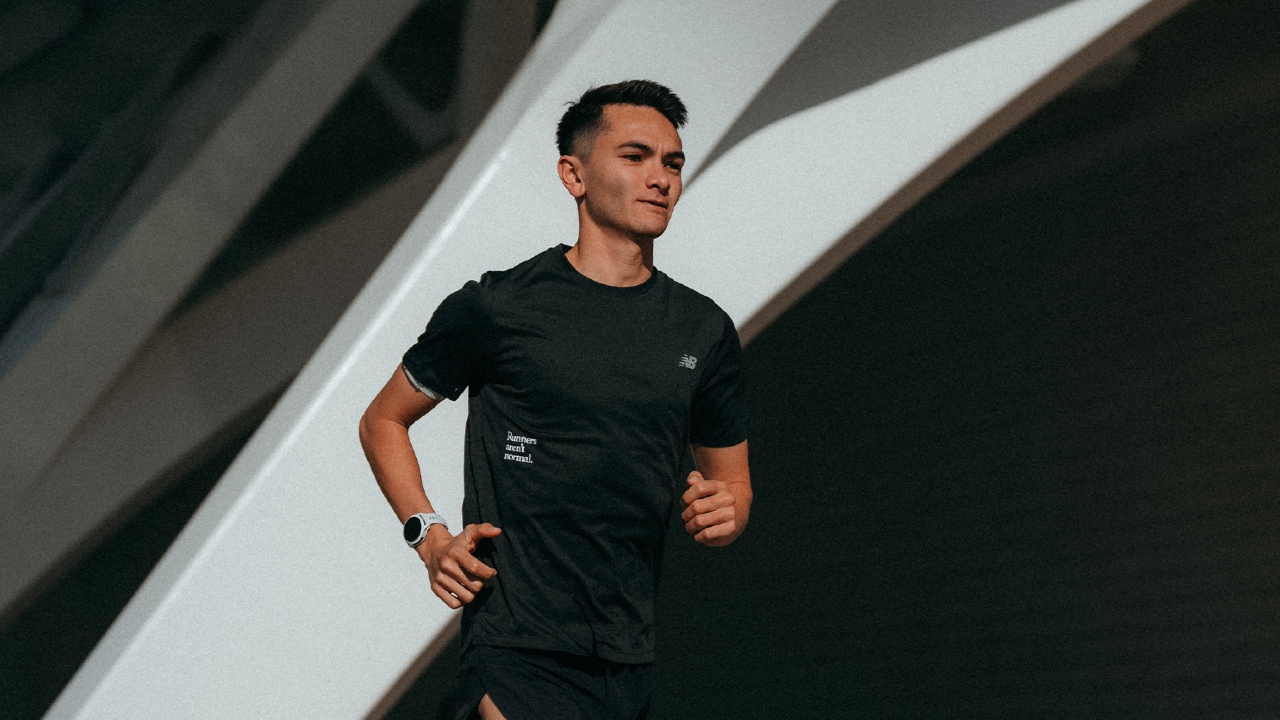
The competitive landscape of long-distance running is continually evolving, as demonstrated by the upcoming Valencia Marathon where athletes such as Olympic triathlon champion Alex Yee and his training partner Phil Sesemann are gearing up for substantial performances. For seasoned trail and ultrarunners, the metrics of conventional road racing often speak to the broader tactical considerations essential for success in mountain races of any distance, including the nuances of pacing and gear selection.
Yee and Sesemann are poised to make substantial strides toward the upper echelons of the British marathon rankings, a goal that reflects their rigorous training protocols and deliberate race strategies. With the British record standing at 2:05:11, held by Sir Mo Farah since the 2018 Chicago Marathon, expectations are high. The duo has been training together extensively in Yorkshire, a locale conducive to both speed work and hill sessions, vital components for any endurance athlete’s preparation. Their recent videos capturing this training highlight not only their physical prowess but also an apparent focus on efficiency, a crucial factor that should resonate with ultrarunners accustomed to navigating technical terrain.
Recent developments regarding Sesemann include a significant personal best of 2:07:17 achieved during the Amsterdam Marathon. His statement about “playing it a little less safe” in Valencia suggests a willingness to update race strategy in light of prior experience, a thoughtful approach given that ultrarunners often face unpredictable race-day dynamics and must adapt quickly to conditions.
While Yee’s debut in the London Marathon saw him finishing a commendable 14th in a challenging environment, his inclination to pursue another marathon before shifting focus back to triathlon assures that he is not only honing his running prowess but also gaining invaluable race experience. The transition from a primarily triathlon-focused season to marathon training may provide insights for ultra athletes grappling with multi-discipline events.
Predictive analytics now play a considerable role in formulating race strategies, evident in Yee’s reflections on his training metrics shared via his COROS watch. Such data-driven predictions can help inform tactical decisions regarding pacing, nutrition, and recovery, elements that can become crucial during lengthy races in mountainous environments. With his anticipated marathon finish clocking in at 2:05:46, Yee’s potential performance aligns with the meticulous preparation needed for ultrarunners who similarly analyze varied aspects of their training to optimize race execution.
Yee’s metrics include a 5K prediction of 13:37 and a 10K prediction of 28:01, times that not only reflect speed but also suggest an ability to endure prolonged efforts—all essential traits for mountainous ultra racing. The half marathon prediction of 1:01:01 positions him favorably for tactical pacing decisions, emphasizing the importance of a well-planned race day approach, especially in events like the UTMB.
Furthermore, discussions surrounding performance predictions based on empirical data reinforce the importance of technical and physical preparations that align to ensure reliability in gear choices, particularly for ultrarunners navigating both upward and downward terrains. Adapting to various environments and elevation changes requires careful consideration of footwear selection and hydration strategies, bolstered by insights from data analytics similar to what Yee is experiencing.
Athletes at higher levels frequently demonstrate that performance can often hinge not solely on innate ability but on how well they can leverage their training insights into tangible outcomes. This understanding is particularly salient for those training for mountainous ultras, emphasizing the need for experienced runners to evaluate their race plans critically, examining not only physical capabilities but also tactical execution on race day.
The frictionless adaptation to conditions experienced by Yee and Sesemann during their various racing experiences provides practical lessons in flexibility and preparation. For ultrarunners, the fundamental takeaway is that success in mountain races often involves a comprehensive strategy developed from rigorous training, precise execution on race day, and an unwavering focus on data-driven insights. This analytical mindset, combined with an adaptable approach to race logistics, can yield considerable benefits when pushing through the challenges of elevation changes and technical terrain.
Ultimately, as Yee and Sesemann prepare for the Valencia Marathon, it serves as a reminder to ultrarunners that thorough preparation, informed race strategies, and an understanding of both their physiological limits and their gear’s capabilities will significantly benefit their performance across all distances and terrains.
