


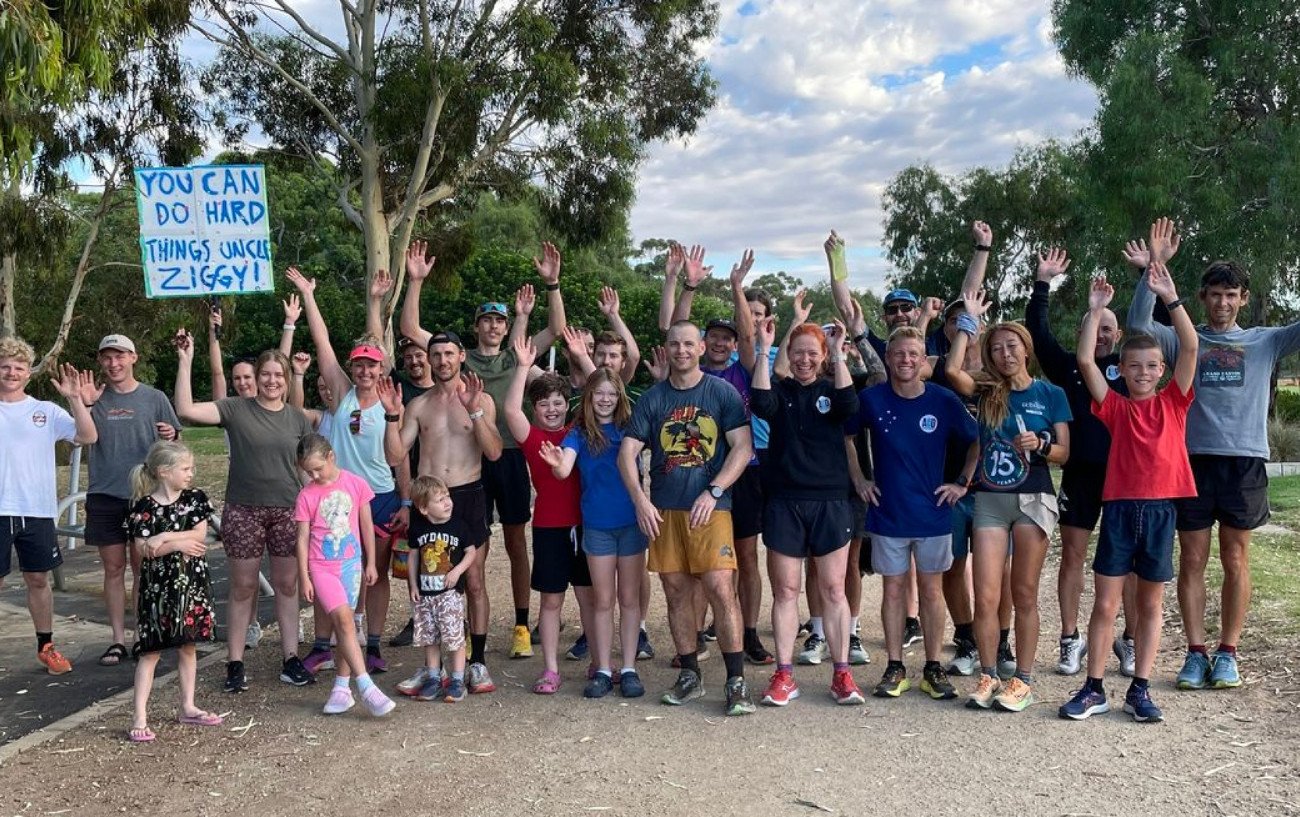
Running 24 separate 5-kilometer parkruns in just 24 hours may seem like an overwhelming challenge, even for dedicated endurance athletes. However, a rising community of Australian runners embraces this unique undertaking, known as the “24 Parkruns in 24 Hours.” This grassroots charity event blends long-distance running with community spirit and raises funds for a variety of charitable causes.
A Challenge Born in Perth
The inception of this extraordinary challenge dates back to 2017, initiated by a small group of runners in Western Australia. Their goal was to complete 16 parkruns in a single day around Perth. At that time, 16 parkruns felt like an unachievable but exciting target as the number of available parkruns was limited, and travel times between venues were longer.
As parkruns flourished across Australia, the challenge quickly evolved, ultimately leading to the ambitious goal of finishing 24 parkruns, totaling an astonishing 120 kilometers within a 24-hour window. Although remaining unsanctioned, this endeavor has gained traction and is now repeated in cities like Perth, Adelaide, Sydney, and Tasmania.
Unsanctioned, Self-Supported, and Intentionally So
Operating as a “fatass” run—an ultrarunning term denoting entirely self-supported races—participants undertake the challenge without formal organization or sanction. Except for the first parkrun of the day adhering to standard procedures, the subsequent events are managed via shared schedules, suggested timelines, and volunteer hosts.
Each runner is responsible for their own transportation, navigation, food, recovery, and safety, emphasizing the self-supported nature of the event. “We must stress that these charity runs are nothing sanctioned and nothing official,” organizers clararily note, reminding participants that they bear individual responsibility during the challenge. Only those who manage to complete all 24 parkruns are recognized in an informal “honour roll.”
Running for Charity
Even with its informal setup, the event serves a well-defined purpose: community fundraising. Each participating state selects a charity that resonates with its local running community, and participants are encouraged to contribute a suggested $24 entry fee, regardless of how many parkruns they ultimately complete.
For instance, during the Perth edition, funds were raised for On My Feet, a charity dedicated to aiding individuals experiencing or at risk of homelessness. As one participant succinctly stated in a video documenting the event, “The whole purpose of this 24 parkruns in 24 hours is actually for charity.”

Inside the 24-Hour Effort
The Perth edition showcased the specific demands of the challenge, where participants transitioned between parks by car, often launching into new 5K efforts with minimal recovery time. While some runners aimed to complete all 24 parkruns, others joined in for shorter segments of the race.
A participant named Kyle captured the essence of the event, stating, “This event invokes some kind of deep respect that kicks me right in the soul and hurts my stomach.” The event fosters a mix of elite and recreational runners, and the sheer determination of each participant fuels the communal spirit.
Challenges like fatigue from overnight running, navigation difficulties, varying weather conditions, and sleep deprivation all contribute to the experience. Some runners chose to skip certain parkruns for recovery before rejoining, while others pressed onward. By dawn, many participants demonstrated remarkable resilience, visibly exhausted yet continuing to move forward.
A Growing Community Event
Although only a minority of participants successfully complete all 24 parkruns, a larger group contributes by taking on portions of the challenge. Organizers emphasize that participating in fewer runs is entirely acceptable, encouraging flexibility and communal engagement. “If you fall behind the schedules, feel free to skip a parkrun or two and join in again where you desire,” reads the guidelines.
As parkruns continue to proliferate throughout Australia, the format of the 24-hour challenge will remain flexible, informal, and driven by community values. What began as a “crazy idea between a couple of mates” seven years ago has now grown into a formidable test of endurance, preparation, and philanthropy, attracting runners seeking to challenge their limits far beyond a typical finish line.
